
Galinsoga virus
Gallantivirus galinsogae
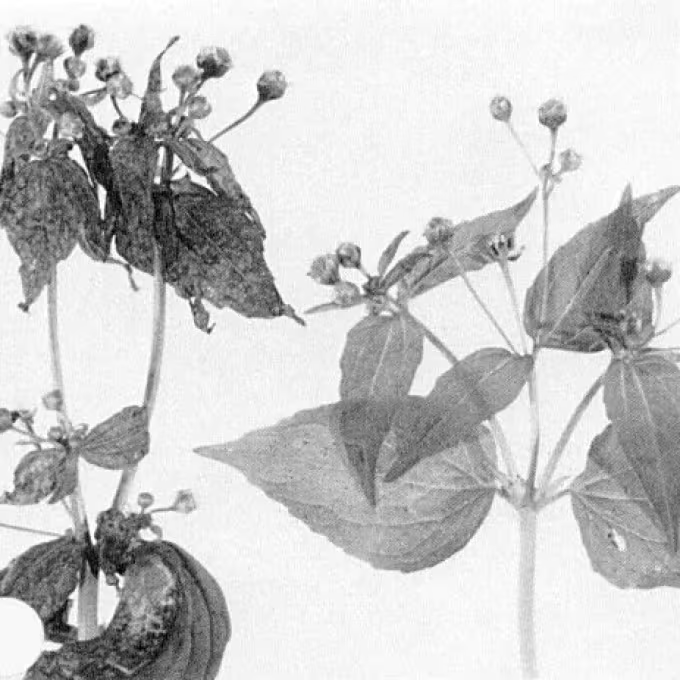
Description
Symptoms
Common symptoms include distinct chlorosis, where leaves develop yellowing patterns between the veins, indicating a loss of chlorophyll and impaired photosynthetic function.
Leaf curling, deformation, and stunted growth are typical signs of infection. The plants appear significantly smaller and less vigorous compared to healthy specimens in the same field.
Necrotic spots or streaks may develop on the stems, reflecting localized tissue death as the virus compromises the integrity of the vascular system.
Floral development is frequently disrupted, leading to stunted or misshapen flowers, which significantly reduces the reproductive capacity of the infected weed hosts.
In advanced stages of infection, plants exhibit permanent wilting that cannot be corrected by irrigation, as the viral infection permanently damages the water-conducting tissues.
Pathogen
The pathogen is Gallantivirus galinsogae, a virus that specifically targets and infects plants within the Asteraceae family. It hijacks the host cell machinery to facilitate its own replication and systemic spread.
This is classified as a systemic viral disease. Once the virus penetrates the plant tissue, it spreads through the phloem, causing significant metabolic disruption throughout the entire plant system.
The viral particles exhibit specific morphological characteristics common to this genus and maintain viability within the infected host tissues for the entire duration of the growing season.
Transmission in agroecosystems is primarily facilitated by insect vectors, such as aphids, which ingest the virus while feeding on sap and then transfer it to healthy neighboring plants.
Mechanical transmission is also a significant factor, occurring during routine field operations when sap from infected plants is accidentally transferred to healthy plants via tools or clothing.
Conditions for development
The development of the virus is closely tied to the activity of its vectors. Warm, dry weather conditions often trigger population explosions of sucking insects, accelerating the spread of the disease.
The presence of weeds acting as reservoirs is a critical factor. These plants maintain the virus in the environment, creating a persistent inoculum source for susceptible crops.
High humidity and mild temperatures optimize the physiological conditions for both the insect vectors and the virus itself, increasing the overall infection pressure.
Poor agricultural practices, such as neglecting weed control around field borders, ensure that the virus remains within the ecosystem, waiting for optimal conditions to spread.
Environmental stress factors can further weaken the plant's immune response, making it easier for the virus to establish a systemic infection within the host.
Why it matters
The harm caused by this virus includes reduced vigor and productivity. In susceptible crops, this leads to significant yield losses and lower quality of harvested material.
Viral infections act as a major physiological stressor, making the plants more susceptible to secondary attacks by fungal or bacterial pathogens, further damaging the crop.
The economic impact involves not only direct crop loss but also the increased costs associated with applying insecticides to manage vector populations throughout the season.
Infected seeds can harbor the virus, posing a long-term threat to subsequent seasons by serving as an initial source of infection when planted in new areas.
The overall reduction in plant health leads to uniform crop stand failure, which can necessitate replanting or result in total loss of profitability for the specific area.
Protection
The primary control strategy involves managing insect vector populations using systemic insecticides to disrupt the chain of transmission between infected and healthy plants.
Rigorous weed management is essential. Eliminating Asteraceae weeds in and around the field removes the reservoir hosts, effectively cutting off the source of the virus.
Cultural practices, such as proper crop rotation and maintaining spatial isolation between different fields, help to minimize the risk of virus spread by reducing vector migration.
Using only certified, disease-free seed and planting materials is the most effective way to prevent the introduction of the virus into a new field.
- Monitor crops regularly for viral symptoms.
- Control aphid populations using targeted pesticides.
- Maintain a clean field perimeter to reduce reservoir weeds.
- Implement strict phytosanitary measures for farm equipment.
Discussion
No discussions yet — be the first.