
Xylobolus frustulatus
Xylobolus frustulatus
Description
Symptoms
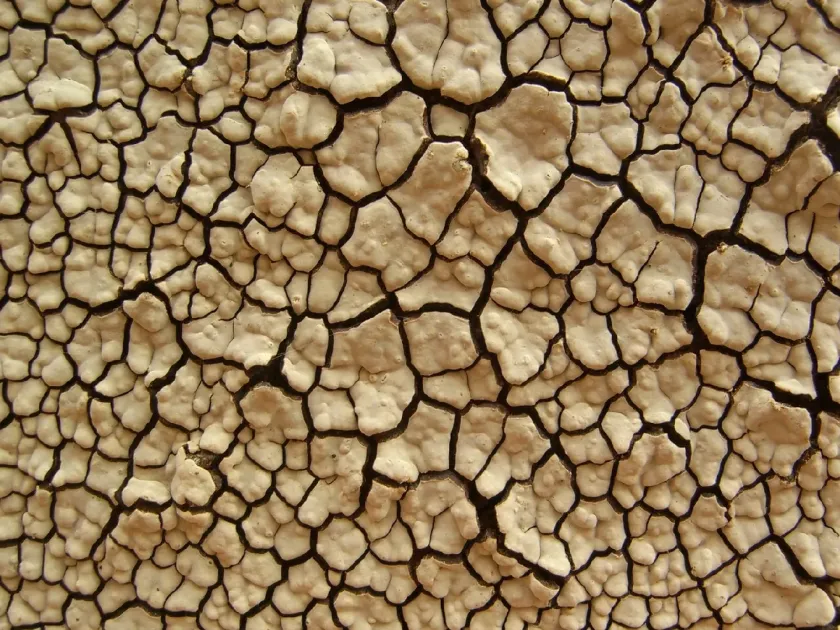
The most prominent sign of infection is the presence of perennial fruit bodies on the bark. These bodies appear as small, tightly packed, tile-like structures that resemble cracked bark, which gives the species its distinctive common name.
When examining a cross-section of infected wood, one can clearly observe zones of white rot. These areas are characterized by deep, elongated cavities filled with white fungal mycelium, which dramatically weakens the structural strength of the timber.
As the decay progresses, the affected wood begins to break apart into small, prismatic fragments or cubes. This structural collapse, often referred to as cubical or pocket rotting, is a definitive symptom of the advanced stage of the disease.
Infected trees may exhibit signs of overall decline, including thinning canopies, crown dieback, and the presence of dry lesions on the trunk. However, these external indicators are often only visible after the fungus has caused significant internal damage.
Routine inspection of tree trunks is essential for early diagnosis. The presence of the characteristic crust-like fruit bodies on the bark is an almost unmistakable indicator of an active decay process within the tree's core.
Pathogen
The causative agent of this disease is the wood-decaying fungus Xylobolus frustulatus, belonging to the class Agaricomycetes. This pathogen specializes in the decomposition of wood, specifically targeting lignin and cellulose, which leads to the formation of a characteristic white pocket rot.
The fungus acts as both a facultative parasite and a saprotroph. It typically enters a tree through mechanical wounds, broken branches, or areas of damaged bark, where the inner tissues of the xylem are exposed to fungal spores.
Through its enzymatic activity, the mycelium of the fungus penetrates deep into the tree structure. It secretes specific enzymes that break down the cellular components, causing the wood to gradually lose its physical integrity and become fragile over time.
Reproduction is achieved through basidiospores that are dispersed by wind currents. The fruit bodies of the fungus are remarkably resilient, featuring a tough, woody texture that enables them to withstand harsh environmental conditions while continuing to produce spores.
The pathogen primarily affects hardwood species, with a particular affinity for oak trees. While it is often found on weakened or mature trees, it can colonize various deciduous species in both natural forest ecosystems and urban parks.
Conditions for development
High humidity and moderate temperatures provide optimal conditions for the growth of Xylobolus frustulatus. Such environmental factors are often found in densely planted, poorly ventilated forest areas where moisture is retained for extended periods.
Wounds and exposed wood surfaces serve as critical entry points for the fungus. Trees suffering from environmental stress, such as drought, waterlogging, or pest attacks, exhibit reduced natural defenses and are significantly more susceptible to colonization.
Inappropriate forest management practices, such as leaving woody debris or infected timber on site, promote the buildup of fungal spores. This increases the total infectious pressure on the surrounding healthy trees in the vicinity.
The rate of disease development is heavily dependent on the physiological condition of the host tree. A stable, moist microclimate allows the fungal spores to germinate successfully on new substrates, facilitating rapid expansion of the mycelium.
The activity of the pathogen is seasonal, usually peaking during periods of active growth and favorable weather. The fruit bodies continue to expand over several years, slowly encompassing larger sections of the trunk as the internal decay persists.
Why it matters
The primary concern regarding this pathogen is the degradation of timber quality. The wood loses its structural properties, becoming brittle and unsuitable for commercial use, woodworking, or construction purposes.
The fungus significantly reduces the mechanical stability of trees, making them prone to breakage during storms or high winds. This poses a major safety risk in public areas, parks, and near infrastructure due to the danger of falling limbs or whole trees.
The disease leads to a gradual decline and eventual death of the tree by disrupting its vascular transport system. The loss of mature, high-value trees represents a significant economic and ecological impact for forestry operations.
Economic losses are compounded by the need for expensive sanitation measures, including the removal of infected trees. Proactive monitoring is required to prevent the spread of the fungus to neighboring healthy stands.
From an ecological perspective, while the fungus contributes to the decomposition of dead organic matter, its impact on living trees is strictly detrimental. Effective control of the disease is vital for maintaining the health and longevity of hardwood stands.
Protection
The cornerstone of disease management is the maintenance of proper forest hygiene. Prompt identification and removal of infected or dying trees are essential to reducing the inoculum level and preventing further spread of the pathogen.
Minimizing mechanical damage to tree trunks during logging or maintenance activities is crucial. Since every wound is a potential entry point for fungal spores, strict adherence to safe working practices is necessary.
For high-value trees in landscape settings, applying protective sealants or antiseptic treatments to wounds can help isolate the tissue from the environment and slow down the potential colonization process.
Improving air circulation through careful spacing and thinning of forest stands helps reduce local humidity levels. This creates an environment less conducive to the germination and survival of fungal spores on the bark.
Regular phytosanitary monitoring is the most effective way to manage the disease. Detecting the fungus during the early stages of fruit body formation allows for targeted interventions, thereby preserving the overall integrity of the forest or park area.
Discussion
No discussions yet — be the first.