
Description
Symptoms
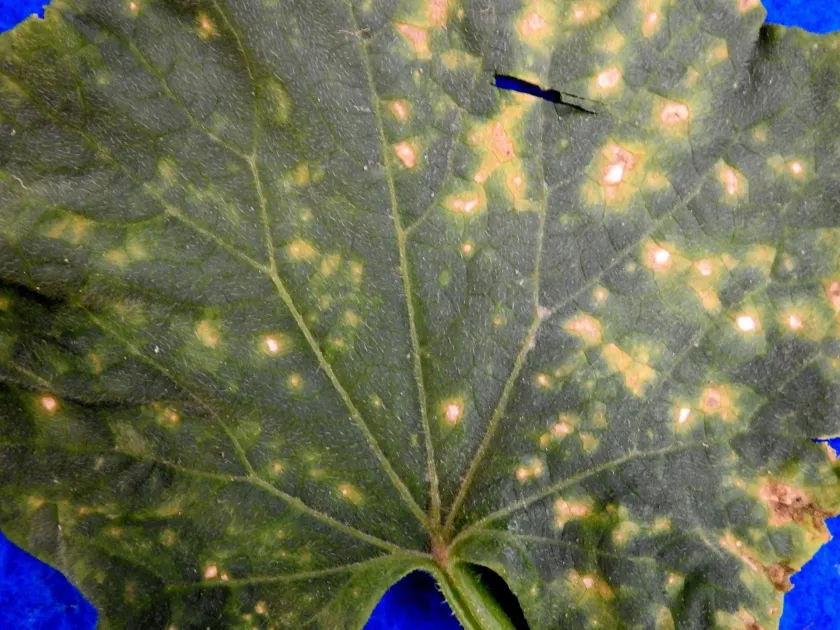
Ulocladium leaf spot typically appears on the leaves as small, circular or angular spots. Initially, these lesions are pale yellow or light brown, eventually turning dark brown or black as the tissue dies.
A hallmark of the disease is the presence of concentric zones within the lesions, which often creates a target-like appearance. As the disease progresses, these spots expand and coalesce, leading to large patches of necrotic tissue on the foliage.
In high-humidity environments, a dark, velvet-like mold often develops on the surface of the spots. This represents the sporulating structures of the fungus, which can quickly spread the infection to adjacent healthy leaves.
The fungus can also infect the fruit, particularly watermelons. Symptoms include depressed, soft spots that eventually become covered with the characteristic dark, sooty mold, rendering the fruit unmarketable.
Severe infestations cause premature yellowing and dropping of leaves. This rapid defoliation drastically reduces the plant's ability to photosynthesize, ultimately leading to stunted fruit growth and poor fruit quality.
Pathogen
The causal agent of this disease is the fungus Ulocladium cucurbitae. This pathogen belongs to the order Pleosporales and is highly specialized, primarily affecting members of the Cucurbitaceae family.
The fungus overwinters in plant debris, soil, and occasionally on seeds. It produces conidia (spores) that serve as the primary inoculum, spreading through wind currents, splashing rain, or contaminated irrigation water.
Once the conidia land on a host leaf, they germinate under favorable conditions and penetrate the plant tissue through natural openings like stomata or through existing mechanical wounds.
Within the plant, the fungal mycelium colonizes the intracellular spaces, causing cell death and the characteristic necrotic spotting. The life cycle can be completed in a relatively short period, allowing for rapid secondary spread.
The taxonomic classification of the fungus places it among the dematiaceous hyphomycetes, characterized by their dark-pigmented spores and hyphae, which contribute to their survival under environmental stress.
Conditions for development
High relative humidity (above 85%) is the most critical environmental requirement for the development of Ulocladium leaf spot. Prolonged leaf wetness, such as that caused by heavy dew or frequent rainfall, facilitates spore germination.
The optimal temperature range for the fungus is between 20°C and 28°C. In this range, the infection cycle is accelerated, and disease progression can be observed within a matter of days.
Poor aeration within the crop canopy significantly increases disease risk. Densely planted fields or lack of proper pruning prevents foliage from drying out, creating a stagnant, humid microclimate favored by the pathogen.
Plant stress, often resulting from poor irrigation management, nutrient imbalances, or damage from insect pests, renders the host more susceptible to Ulocladium infection compared to healthy, vigorous plants.
The presence of water droplets on the leaf surface for extended periods is necessary for the initial infection. Therefore, overhead irrigation is a major driver of the disease in both field and greenhouse settings.
Why it matters
The primary impact of Ulocladium leaf spot is the significant loss of foliage. Since leaves are the energy-producing organs, premature senescence limits the plant's ability to produce sugars and accumulate biomass.
Infection of the fruit results in direct harvest losses. Watermelons and other cucurbits with lesions are often downgraded or discarded, leading to substantial economic losses for growers.
The disease can significantly shorten the productive life of the plant. By cutting the growing season short, the total yield potential of the crop is severely curtailed, even if the plant survives until harvest.
Increased expenditures are a major secondary harm, as farmers must invest in repeated fungicide applications to manage the outbreak and prevent further spread throughout the production area.
For seed-producing operations, the risk of seed contamination is a major concern. Infected fruits may harbor the pathogen, which can lead to seedling blight or early infection in subsequent seasons if not properly managed.
Protection
A robust rotation strategy is the first line of defense. Avoiding cucurbits in the same soil for at least 3-4 years helps break the pathogen's survival cycle by reducing the inoculum pressure in the field.
Sanitation is critical; all infected plant material must be removed and destroyed immediately after harvest to prevent the fungus from over-wintering on site.
Utilizing high-quality, treated seeds ensures that the initial crop starts clean. Growers should prioritize the use of resistant or tolerant cultivars when available in the regional market.
Fungicide programs should be employed, focusing on protectant sprays like copper compounds or broad-spectrum products when conditions are favorable for disease. Systemic fungicides, such as triazoles, are effective during active infection phases.
Modifying the environment is equally important: use drip irrigation instead of overhead watering, practice proper plant spacing to improve airflow, and maintain optimal nutrient levels to keep plants resilient against infection.
Pathogens and affected parts
Affects crops · 1
Discussion
No discussions yet — be the first.