
Description
Symptoms
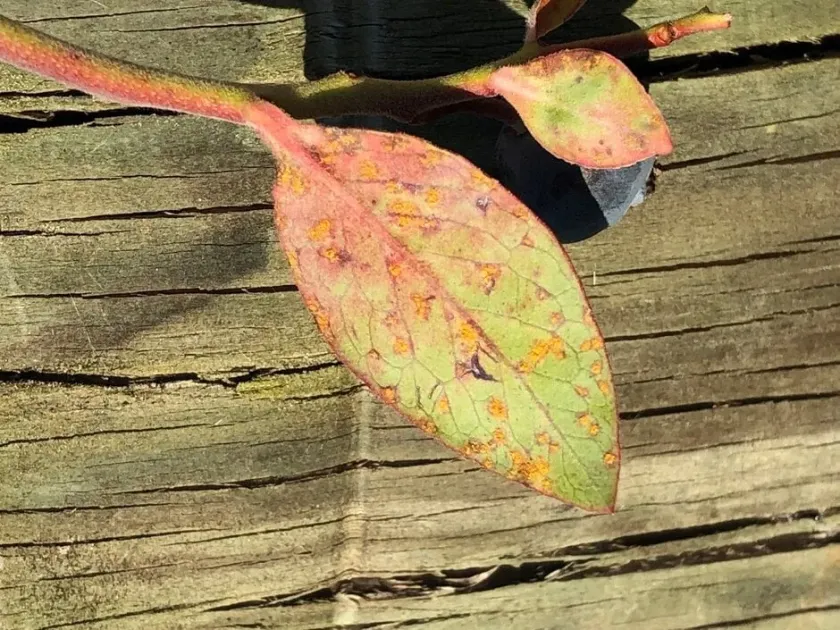
The initial symptoms present as small, chlorotic yellow spots on the upper surface of the leaves, which gradually enlarge and turn brown over time.
A hallmark sign of the infection is the development of orange or reddish-brown pustules on the underside of the leaves, containing dense masses of fungal spores.
As the infection progresses, the foliage exhibits yellowing, curling, and premature abscission, resulting in a sparse canopy and poor aesthetic presentation.
In severe cases, the fungus may attack young stems, causing necrotic lesions or fissures in the bark, which can lead to the wilting of entire branch sections.
The presence of orange dust (spores) on the underside of the leaf is the most reliable diagnostic feature for confirming a rust infection.
Pathogen
The disease is caused by the fungal pathogen Thekopsora minima, which primarily infects species within the Rhododendron genus, including various types of azaleas.
This rust fungus is an obligate parasite that exhibits a complex life cycle, often involving the presence of alternate hosts or surviving as mycelium in plant tissues.
The pathogen typically invades plant cells via the stomata, where it establishes a feeding structure to extract essential nutrients from the host's foliage.
During the dormant season, the fungus survives as mycelium within infected stems or in leaf litter, awaiting favorable conditions in the spring to start spreading.
It is classified as a rust fungus that induces both localized cellular damage and systemic physiological stress, significantly impacting the host plant's vigor.
Conditions for development
The development of Thekopsora minima is heavily dependent on high relative humidity, which is essential for the germination of spores on the leaf surface.
Extended periods of rainfall or persistent morning dew create an ideal microclimate for the pathogen to penetrate the host tissues successfully.
Dense planting configurations restrict airflow, causing moisture to linger on the foliage for longer periods, thereby increasing the susceptibility to infection.
Warm temperatures ranging from 15°C to 22°C (approximately 60°F–72°F) favor rapid spore production and the overall spread of the fungus throughout the planting.
Cultural practices that promote prolonged leaf wetness, such as overhead irrigation during the evening, significantly amplify the risk of disease outbreaks.
Why it matters
The disease severely disrupts photosynthesis, leading to reduced energy accumulation in the plant and stunted growth over the growing season.
Premature leaf drop prevents the plant from preparing properly for the winter season, making it significantly more vulnerable to cold damage and frost.
If left unmanaged, the rust can quickly spread across an entire collection of rhododendrons, creating a severe and chronic infestation throughout the garden.
Persistent infection weakens the structural integrity of the plant, leaving it susceptible to secondary pathogens and further environmental stress.
Over several years, a cumulative loss of foliage and vigor can lead to the eventual decline and death of the entire plant specimen.
Protection
Cultural control starts with sanitation; it is crucial to remove and destroy all infected foliage and twigs immediately to reduce the source of new spores.
Proper spacing during planting is essential to ensure adequate airflow, which helps keep the foliage dry and limits the conditions required for fungal growth.
Fungicide applications using copper-based products or systemic options like triazoles and strobilurins are effective if applied at the first sign of symptoms.
Always use drip or root-level irrigation instead of overhead watering to keep the leaves dry, which acts as a major preventative measure against rust.
Strengthening the plant through balanced fertilization and proper soil management improves natural resistance, making the azaleas more resilient to infection.
Pathogens and affected parts
Affects crops · 1
Discussion
No discussions yet — be the first.