
Description
Symptoms
Symptoms typically manifest as small, circular or irregular spots on leaves. As the disease progresses, these spots often expand and merge to cover larger areas.
The centers of the necrotic spots frequently turn light gray or beige, often surrounded by a distinct dark purple or brown halo, which is a hallmark of the infection.
Under humid conditions, the pathogen produces visible spore masses, often appearing as small raised pustules on the undersides of the leaves or on the stem lesions.
Severe infections lead to leaf distortion, chlorosis, and premature defoliation, which can drastically reduce the aesthetic and functional value of the affected plants.
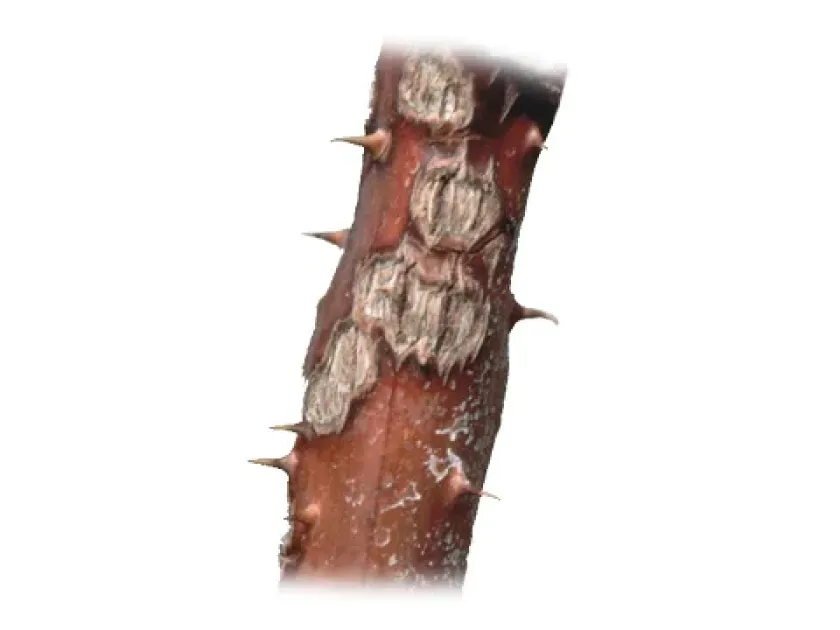
Shoot infections can cause the development of deep, sunken lesions or cankers, resulting in stunted growth, stem dieback, and branch mortality.
Pathogen
Spot anthracnose is a fungal disease caused by species within the Sphaceloma genus, which are often associated with the sexual stage, Elsinoë. These are specialized pathogens that infect various ornamental and woody plant species.
The disease belongs to the anthracnose group, characterized by necrotic tissue lesions on leaves, stems, and fruits. The fungus typically invades the host tissue through stomata or mechanical damage.
During the growing season, the pathogen spreads primarily via conidia, which are dispersed by rain splashes, wind, and insects, leading to recurring cycles of infection.
The fungus overwinters as mycelium or sclerotia within fallen leaves, organic debris, and infected plant shoots, remaining dormant until conditions become favorable.
Common hosts include plane trees (sycamore), rhododendrons, and roses, which can suffer significant damage when pathogen levels are high.
Conditions for development
The development of spot anthracnose is heavily dependent on moisture. Prolonged periods of rainfall, high humidity, and frequent morning dew create optimal conditions for infection.
The fungus thrives within a temperature range of approximately +18 to +25 degrees Celsius, which often coincides with the flush of new growth in the spring.
Poor air circulation, common in crowded plantings or dense canopy structures, prevents foliage from drying quickly and facilitates the rapid spread of spores.
Plants under environmental stress, or those experiencing nutrient deficiencies, are significantly more susceptible to infection by Sphaceloma species.
Introduction of the disease often occurs through contaminated nursery stock, making sanitation and early detection vital for managing the pathogen in landscapes.
Why it matters
The primary impact of the disease is the reduction of the plant's photosynthetic capacity, which causes significant stress and lowers overall plant vigor.
Premature leaf loss disrupts the plant's energy storage, potentially leading to weakened immune systems and reduced tolerance to cold weather or drought.
In ornamental trees like sycamores, repeated infections can cause significant dieback, leading to a loss of the plant's natural structure and overall decline in health.
Economic losses in the nursery industry are significant due to the need to discard infected plants that no longer meet aesthetic quality standards.
The disease also leaves plants vulnerable to secondary invaders, including opportunistic fungi and various pests that exploit the weakened plant tissue.
Protection
Sanitation is the cornerstone of control: all fallen leaves and infected plant parts should be removed and destroyed to reduce the overwintering inoculum.
Good horticultural practices, such as proper pruning for airflow and sunlight penetration, help keep foliage dry and minimize favorable conditions for fungal growth.
Preventative applications of copper-based fungicides during the dormant season or at bud break can help protect susceptible plants from early infections.
If active symptoms are observed, systemic or contact fungicides should be applied, rotating active ingredients to prevent the development of fungal resistance.
Only healthy, disease-free nursery stock should be planted, and new arrivals should be inspected for signs of lesions before they are integrated into the garden.
Pathogens and affected parts
Affects crops · 3
Discussion
No discussions yet — be the first.