
Description
Symptoms
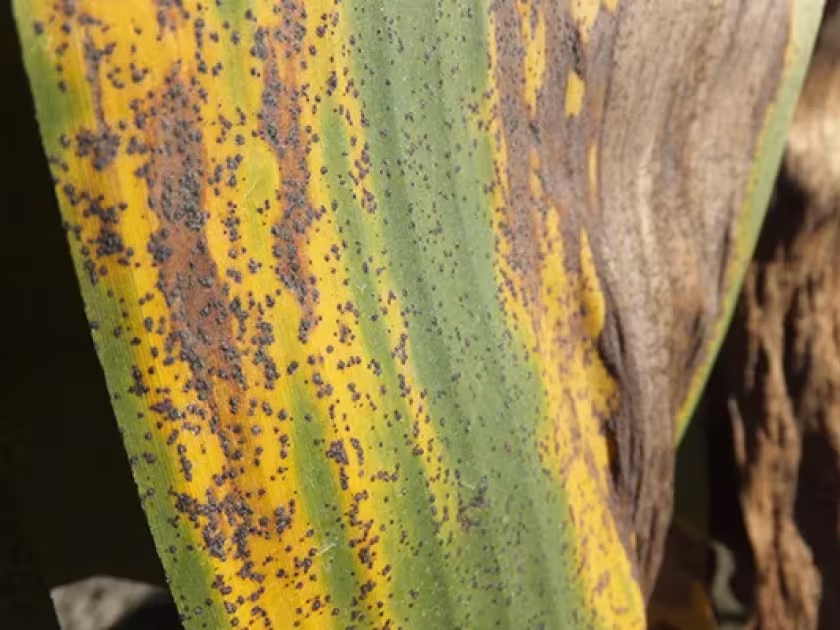
The disease is characterized by the appearance of minute, dark, speckled spots on the leaf blades, which provide the common name for this condition.
Early symptoms include small chlorotic points that rapidly darken into brown or black necrotic lesions, often with a faint halo around the affected area.
As the disease progresses, these spots coalesce to form larger, irregular patches of necrotic tissue, eventually covering significant portions of the leaf.
Under high humidity, the underside of the leaves may show a dusty appearance caused by the dense production of fungal spores on the surface of the lesions.
The loss of functional leaf area due to these spots directly correlates with the reduced vitality of the plant and its inability to perform photosynthesis effectively.
Pathogen
The causal agent of banana speckle is the fungus Mycosphaerella musae, an ascomycete responsible for significant damage to leaf tissue in banana plantations worldwide.
Its asexual state, known as Ramichloridium musae, is the primary source of inoculum that spreads the infection across the banana leaves under favorable climatic conditions.
The fungus is host-specific, primarily affecting plants of the Musaceae family. It colonizes the leaves, feeding on nutrients within the plant cells and disrupting physiological processes.
Survival of the pathogen occurs through the formation of spores in old, decaying leaves on the ground, serving as a continuous source of re-infection for new growth.
Mycelial growth penetrates the leaf stomata or wounds, leading to the establishment of the disease which can persist throughout the plant's life cycle if not managed correctly.
Conditions for development
Banana speckle thrives in warm, humid tropical environments where temperatures remain between 24 and 28 degrees Celsius for extended periods.
Frequent rainfall and high relative humidity (above 85%) are critical factors that promote the germination and dispersal of fungal spores throughout the plantation.
Poor ventilation within high-density planting systems creates a stable microclimate that keeps the leaves moist, facilitating easy infection by the pathogen.
Plants suffering from nutrient deficiencies, particularly potassium, are significantly more susceptible to Mycosphaerella musae colonization compared to healthy, well-fertilized plants.
The disease spreads most rapidly during the wet season when water splash acts as the primary vector for carrying spores to healthy leaves.
Why it matters
The primary economic harm caused by banana speckle is the significant reduction in photosynthetic capacity, leading to smaller, lower-quality banana bunches.
Premature leaf senescence and death caused by the disease can lead to an overall decrease in plantation yield and potential market losses for producers.
Structural damage to the leaves makes the plants more prone to lodging and damage from strong winds, further compromising the harvest potential.
In cases of severe infection, the fruit development is hindered, resulting in uneven ripening and reduced shelf life, which is undesirable for the export market.
Managing the disease requires ongoing labor and financial investment, increasing the cost of production and potentially reducing the profitability of the banana enterprise.
Protection
Effective management requires a combination of sanitation practices, such as removing and destroying heavily infected leaves to reduce the source of inoculum.
Applying appropriate fungicides during the onset of the rainy season helps prevent the initial establishment and subsequent spread of the fungus on new foliage.
Optimizing plant spacing ensures better airflow, which reduces leaf wetness and creates a less hospitable environment for the development of fungal pathogens.
Balanced fertilization programs help maintain plant vigor, enabling the banana plants to withstand disease pressure more effectively.
- Regular monitoring for early signs of infection.
- Implementation of strategic fungicide spray programs.
- Removal of leaf debris to break the disease life cycle.
Pathogens and affected parts
Affects crops · 1
Discussion
No discussions yet — be the first.