
Description
Symptoms
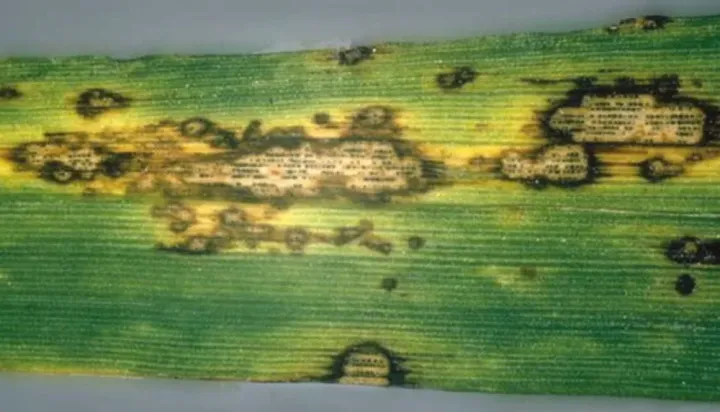
The characteristic symptoms of Selenophoma leaf spot include the appearance of lesions on leaf blades, which vary in shape and color.
These spots often exhibit a grayish-brown hue with a darker, distinct margin that separates the diseased tissue from the healthy leaf area.
Close inspection of the infected spots reveals the presence of tiny black dots, representing the pycnidia where the fungus produces spores.
As the infection progresses, these necrotic spots tend to coalesce, ultimately leading to premature yellowing and drying out of the entire leaves.
On maize stalks and leaf sheaths, the pathogen may cause elongated necrotic streaks that compromise the structural integrity of the plant.
Pathogen
The disease is caused by fungi of the genus Selenophoma, which are classified as members of the Coelomycetes group.
This pathogen survives the off-season primarily on crop debris left in the field or through infected seed material.
The life cycle involves the formation of pycnidia, which are tiny fruiting bodies that release conidia for spreading the infection during the growing season.
It is a host-specific pathogen that primarily targets various grass species, with maize being one of the susceptible crops.
The fungus is highly adapted to changing environmental conditions, remaining dormant until moisture and temperature levels become ideal for germination.
Conditions for development
High humidity levels, such as those caused by prolonged rainfall or persistent morning fog, are the primary triggers for pathogen development.
The fungus thrives within a temperature range of +15 to +22 degrees Celsius, which supports rapid mycelial growth and spore production.
Dense planting patterns reduce air circulation within the canopy, creating a stagnant microclimate that encourages rapid fungal spread.
Agricultural fields with high amounts of unmanaged crop residue serve as a major reservoir for the pathogen to persist from year to year.
Nutritional stress or damage from insect pests can weaken the plant, making it significantly more susceptible to infection by the fungus.
Why it matters
The primary economic impact of Selenophoma leaf spot is the reduction of the leaf surface area available for photosynthesis.
Damage to the leaf apparatus leads to poor grain filling in maize, resulting in lower grain weight and compromised overall yields.
Severe infections during critical growth stages can lead to premature senescence, effectively shortening the plant's production cycle.
The loss of physiological efficiency makes the crop more vulnerable to other stresses, potentially leading to increased harvest losses.
In addition to yield reduction, the quality of the harvested grain may be degraded, which negatively affects its market value and storage potential.
Protection
Effective crop rotation is the most critical preventative measure to break the life cycle of the pathogen in the soil.
Deep tillage and residue management practices help incorporate infected debris into the soil, accelerating decomposition and reducing inoculum levels.
Selecting resistant cultivars or hybrids is a key strategy for mitigating the risk of widespread disease infection in high-pressure environments.
The strategic application of fungicides may be necessary in seasons with exceptionally wet weather to curb the spread of the fungal infection.
- Maintaining optimal plant density to enhance canopy ventilation.
- Balanced fertilization to strengthen host plant natural resistance.
- Using high-quality, fungicide-treated seeds for planting.
Pathogens and affected parts
Affects crops · 1
Discussion
No discussions yet — be the first.