
Sebacina incrustans
Sebacina incrustans
Description
Symptoms
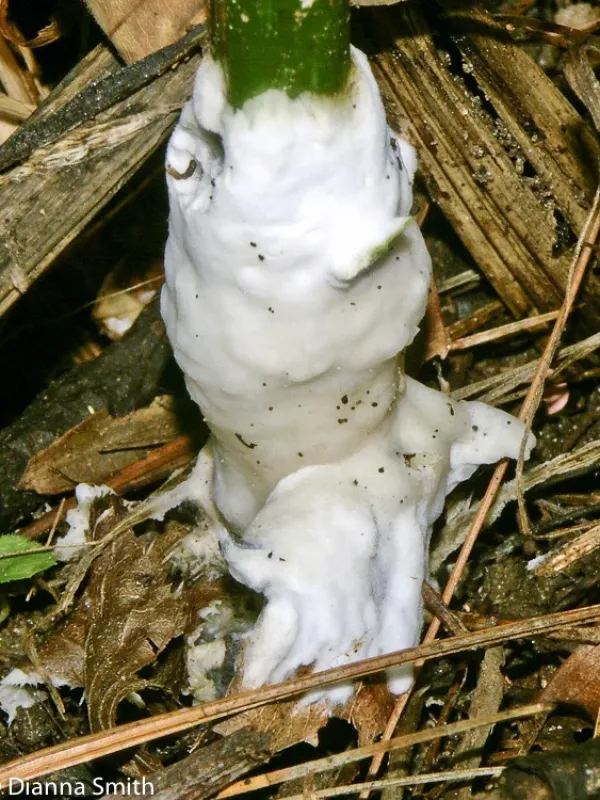
The most visible sign of Sebacina incrustans is the formation of white to creamy, wax-like or leathery crusts covering the lower stems of plants and surrounding soil surfaces.
These crusts can completely encircle the stem, creating a physical barrier that may restrict normal gaseous exchange and overall stem development.
Infected plants may show signs of yellowing leaves or general stunted growth due to the stress caused by the presence of the fungus around their base.
The fungus tends to spread from the soil surface onto the bark of trees and shrubs, creating a distinct aesthetic nuisance in ornamental gardens.
- White or cream-colored crusty fungal growth.
- Presence of leathery layers at the plant base.
- Mycelium spreading across soil and fallen leaves.
Pathogen
The fungus Sebacina incrustans belongs to the family Sebacinaceae and is primarily known as a soil-inhabiting basidiomycete that thrives on decaying organic matter.
It acts as a facultative parasite or a common saprotroph. In many garden settings, it is recognized by its unique ability to form leather-like, crusty basidiomata that coat the bases of living stems.
The mycelium of the fungus is capable of persisting in the soil for extended periods, utilizing leaf litter and other debris to maintain its biomass until suitable conditions for fruiting occur.
Spores are dispersed by water droplets and air currents, allowing the fungus to colonize new areas, especially in habitats where moisture is constant and organic substrate is abundant.
While it does not usually cause deep tissue damage, its presence signifies a high moisture environment, which is conducive to the growth of various pathogenic microorganisms.
Conditions for development
Sebacina incrustans thrives in environments characterized by high humidity, shade, and poor airflow, making it common in neglected or dense garden landscapes.
The fungus is particularly active during and after prolonged rainy seasons, which keep the soil surface continuously damp for extended periods.
Poorly drained soils or heavy clay soils that retain water are ideal sites for the fungus to establish its crust-like colonies around plant bases.
Areas with an accumulation of organic mulch near the plant stems often become hotspots for the development of this organism.
Optimal temperatures for mycelial growth typically fall within the moderate range (15°C to 22°C), allowing for sustained development throughout the growing season.
Why it matters
The primary concern regarding Sebacina incrustans is its impact on the plant's bark and its potential to suffocate small or sensitive stems by forming an airtight crust.
While it is rarely a lethal pathogen for established trees, it significantly degrades the aesthetic value of ornamental plants, shrubs, and nursery stock.
The physical presence of the fungus can lead to localized bark necrosis, weakening the plant and increasing its vulnerability to pests and other pathogens.
In nursery settings, it can impede the development of young seedlings, leading to reduced vigor and potentially hindering their marketable quality.
By trapping moisture against the bark, the fungus creates a micro-environment that invites more aggressive fungal infections, compounding the damage to the host plant.
Protection
Effective management begins with improving soil drainage and air circulation to ensure that the base of the plant remains dry and inhospitable to fungal growth.
Regular sanitation, including the removal of dead leaves, twigs, and excessive mulch around the plant base, is crucial to eliminate the substrate the fungus feeds on.
If crusts appear, they can be gently removed manually, taking care not to scrape or injure the healthy bark of the plant during the process.
In cases where environmental control is difficult, applying appropriate fungicides might be considered, though this should be supplemental to cultural improvements.
Ensuring proper spacing between plants helps maintain drier conditions and reduces the likelihood of the fungus spreading from one specimen to another.
Discussion
No discussions yet — be the first.