
Tar spot of maple
Rhytisma punctatum
Description
Symptoms
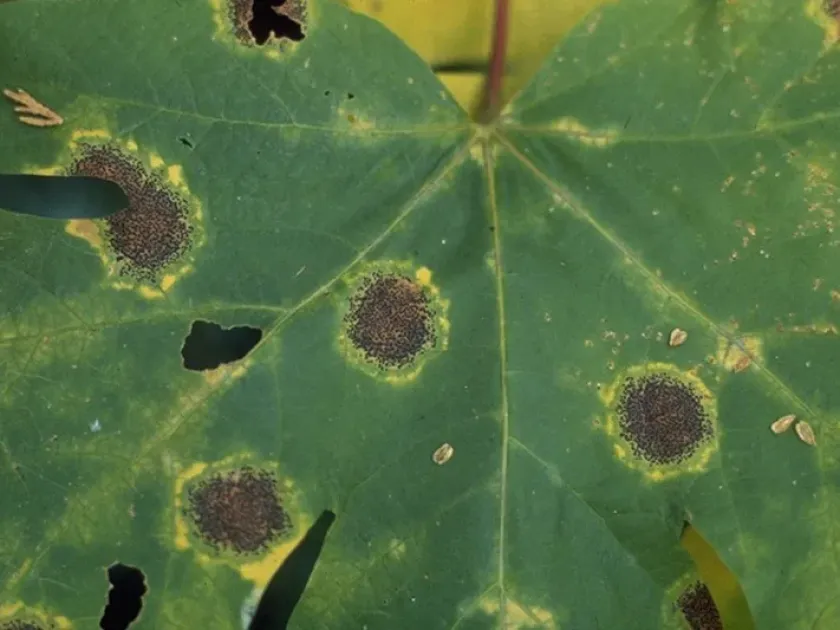
The first symptoms appear in mid-summer as small, pale yellow-green spots on the upper side of the maple leaf. These spots gradually darken, developing into tiny, shiny, black circular points.
A narrow, yellowish halo often remains around each black spot, which is a diagnostic feature that helps differentiate this infection from other types of leaf spots found on maples.
On the underside of the leaf, directly beneath the black spots, the tissue may appear slightly discolored or depressed, reflecting the internal growth of the fungal stroma within the leaf tissue.
As autumn approaches, infected leaves may show premature yellowing and leaf drop. While the degree of infection can vary depending on environmental factors, severe outbreaks can cover a large portion of the foliage.
Because the black spots are hardened and clearly visible, they are often mistaken by laypeople for insect droppings or physical damage, but their consistent circular pattern confirms a fungal origin.
Pathogen
The causal agent of this disease is the ascomycete fungus Rhytisma punctatum. This pathogen specifically infects various species of maple, completing its complex lifecycle within the leaf tissues.
The fungus develops as a parasite throughout the growing season, forming dense mycelial mats that eventually turn into black, hard structures known as stromata on the leaf surface.
The survival of the fungus depends on infected leaf litter. The pathogen overwinters on fallen leaves, where, by the following spring, it matures and produces spores that are spread by wind or rain to healthy foliage.
Unlike some related species, Rhytisma punctatum is characterized by producing smaller, distinct spots, which gives the leaf a dotted appearance rather than large, continuous blackened patches.
The synchronization between the fungus development and the phenology of the maple host is critical for the infection process, as the spores require vulnerable young leaves to establish successful colonies.
Conditions for development
The development of Rhytisma punctatum is highly dependent on humidity. Extended periods of wet, rainy weather during the spring and early summer facilitate spore germination and infection.
Poor air circulation within the tree canopy contributes to the spread of the disease. When leaves stay damp for long periods, the likelihood of fungal spores establishing a successful infection increases significantly.
The primary source of infection is always the previous year's leaf litter left on the ground. If leaves are not removed or destroyed, the disease cycle will continue to repeat annually.
Trees that are stressed, malnourished, or planted in unfavorable sites are generally more susceptible to infection. A robust, well-maintained tree can better withstand the pressure of fungal pathogens.
Regions characterized by mild, damp springs provide the perfect environment for the maturation and dispersal of ascospores, leading to higher levels of disease incidence in forest and park settings.
Why it matters
The primary damage caused by tar spot is aesthetic. The disease ruins the visual appeal of maple trees, particularly in residential gardens, public parks, and urban alleyways, making the trees look sickly.
Premature leaf drop reduces the tree's photosynthetic capacity, which can hinder its ability to store necessary carbohydrates for the winter dormancy period and early spring growth.
While the disease is rarely lethal to mature, healthy trees, repeated annual infections can weaken the plant's overall physiology, making it more susceptible to environmental stressors and other opportunistic pests.
In tree nurseries, the presence of tar spot can lower the marketable quality of maple saplings, leading to economic losses and the need for costly management practices.
Urban forestry programs incur maintenance costs to manage leaf litter and apply protective treatments to preserve the appearance and health of public landscapes.
Protection
The most important control measure is the thorough removal and destruction of all fallen maple leaves in the autumn. By eliminating the overwintering source, you break the disease cycle.
In high-value ornamental plantings, preventative applications of copper-based fungicides during the bud break stage can help protect new foliage from infection during the primary spore-release period.
Proper pruning practices that open up the tree canopy help improve airflow and light penetration. This speeds up the drying of foliage after rain and reduces the conditions favorable for fungal growth.
Maintaining tree vigor through proper fertilization, watering, and soil health management is a key preventative strategy, as healthy trees possess stronger natural defenses against pathogens.
Regular monitoring of the canopy is advised to detect early signs of the disease, allowing for timely sanitation measures to prevent the buildup of inoculum within the immediate environment.
Discussion
No discussions yet — be the first.