
Description
Symptoms
The earliest symptom is often a subtle loss of vigor and yellowing of the foliage, which can easily be mistaken for drought stress or nutrient deficiencies.
As the disease progresses, plants exhibit severe wilting, particularly during hot periods, even when the soil moisture levels appear to be adequate.
A closer examination of the root system reveals a distinct browning and disintegration of the fine feeder roots, which eventually spreads to the larger woody roots.
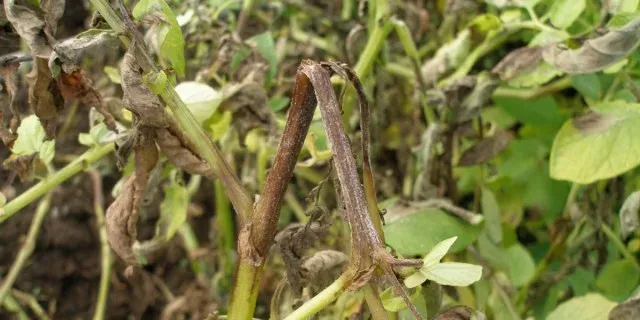
The stem base may show dark, sunken lesions or cankers, and the underlying tissue often displays a reddish-brown discoloration when the bark is carefully peeled back.
In advanced stages of the disease, the entire plant may die back, starting from the branches and moving downward, leading to eventual total collapse.
Pathogen
The pathogen responsible for this disease belongs to the genus Phytophthora, a group of oomycetes often referred to as water molds. These organisms are biologically distinct from true fungi.
Their life cycle depends heavily on water, as they produce motile zoospores that swim through the soil water film to infect plant tissues, particularly roots.
These pathogens produce resilient structures known as oospores, which allow them to persist in the soil for several years, even under harsh environmental conditions.
Infection usually starts at the root tips or through wounds in the bark, eventually colonizing the vascular tissues, which disrupts the transport of water and nutrients.
Rhododendrons are highly susceptible to several species of Phytophthora, making this one of the most significant limiting factors in their successful cultivation.
Conditions for development
High soil moisture and waterlogged conditions are the primary drivers of Phytophthora outbreaks, as these provide the perfect medium for zoospore mobility.
The disease thrives in temperatures ranging from 15°C to 25°C, which is also the peak active growing period for many ornamental plants, including susceptible shrubs.
Poor soil drainage, compaction, and high clay content significantly increase the likelihood of the pathogen colonizing the root zone.
Poor cultural practices, such as planting too deeply, damaging roots during cultivation, or excessive irrigation, significantly weaken the plant's natural defenses.
Infection is often introduced into gardens through contaminated nursery stock, infected irrigation water, or the movement of infested soil via tools and footwear.
Why it matters
Phytophthora root rot is an extremely destructive disease that can result in the total loss of valuable landscape plants and nursery inventories.
For susceptible species like rhododendrons, the damage is often irreversible once visible symptoms appear above ground, as the root system is already severely compromised.
The presence of the pathogen in the soil can make a site unsuitable for growing susceptible plant species for many years, necessitating expensive soil remediation.
Economic losses are significant due to the cost of removing dead plants, replacing soil, and the potential need for long-term fungicidal treatment programs.
The pathogen easily spreads to neighboring plants through contaminated runoff during heavy rains, creating a risk of large-scale infection in mixed plantings.
Protection
Prevention is the most effective management strategy; this includes selecting well-drained planting sites and using raised beds to improve soil aeration.
Strategic use of systemic fungicides, specifically those targeting oomycetes like phosphonates or metalaxyl, can help protect plants in high-risk areas.
Strict sanitation is vital: always remove and dispose of infected plants and surrounding soil, and ensure that all gardening tools are thoroughly disinfected.
Maintaining plant health through balanced fertilization and appropriate mulching practices helps the plant build up resistance and manage stress better.
- Improve soil drainage before planting;
- Avoid overhead irrigation;
- Inspect all nursery stock for symptoms;
- Disinfect tools between plants;
- Use resistant cultivars when available.
Pathogens and affected parts
Affects crops · 1
Discussion
No discussions yet — be the first.