
Description
Symptoms
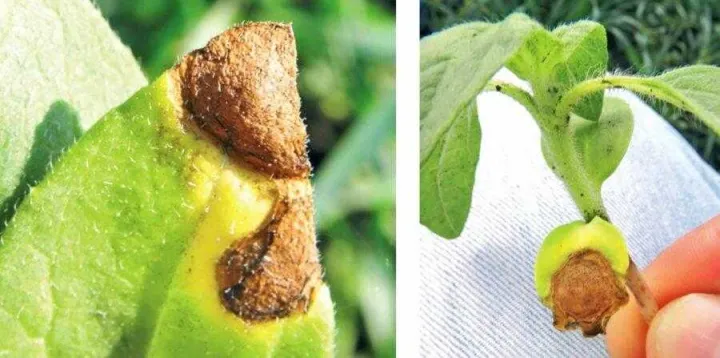
The symptoms initially appear as small, indeterminate spots that gradually expand. The spots often range from light gray to dark brown, frequently bordered by a dark rim.
Stem infections manifest as softened, necrotic tissues. Over time, these areas may weaken the stalk, leading to lodging. Small, black fruiting bodies (pycnidia) often develop in these lesions.
Leaf symptoms appear as zone-like spots that may merge, causing the leaves to dry out prematurely. This drastically reduces the plant's photosynthetic capacity.
In winter wheat, Phoma contributes to basal stem rot, where the lower parts of the stem darken and become brittle, negatively impacting the root system's development.
Seed contamination can lead to poor germination and the emergence of diseased seedlings, which often fail to survive the early developmental stages.
Pathogen
The causal agents of Phoma leaf spot are fungi belonging to the Peyronellaea genus (formerly categorized within Phoma). These pathogens are widely distributed and can infect a diverse array of agricultural crops.
The fungus survives as pycnidia and mycelium in infected plant debris, soil, and contaminated seeds. It is a persistent pathogen capable of enduring harsh environmental conditions for long periods.
Disease transmission occurs via spores, which are spread by wind, splashing rain, or insects to healthy tissue. The pathogen is highly adaptable to various ecological conditions.
Upon infection, the fungus colonizes plant tissues, moving between cells and secreting enzymes that lead to tissue degradation and necrosis. This process can significantly weaken the host plant.
It affects various crops, including sunflowers, rapeseed, soy, and winter wheat. In cereals, it often contributes to complex root rot issues, affecting plant vigor.
Conditions for development
Optimal conditions for Phoma development include moderate temperatures ranging from 20°C to 25°C and high humidity. Frequent rainfall and dew are critical for spore production and dispersal.
Dense crop stands, which restrict airflow and promote moisture accumulation at the base of the plants, are highly conducive to disease initiation and rapid spread.
Mechanical injuries caused by agricultural machinery or insect pests create entry points for the fungus, significantly accelerating the infection rate.
Neglecting crop rotation and failing to manage crop residues create an infectious reservoir that increases disease risk for subsequent planting seasons.
Drought stress may weaken plant immunity, making them more susceptible to fungal infestation once moisture levels normalize or during humid periods.
Why it matters
The economic impact of Phoma is significant, as it leads to reduced crop yields and diminished product quality. In cereals, it specifically contributes to grain shriveling.
The destruction of vascular tissues impairs the transport of water and nutrients, resulting in poor filling of grain and premature senescence of plant parts.
Early-season infections can lead to seedling mortality and poor stand establishment, often necessitating replanting and causing direct financial losses.
Infected crops often exhibit poor aesthetic and physiological quality, which can lower their market value and lead to issues during long-term storage.
Managing the disease requires increased expenditure on fungicide treatments, which adds to the overall production costs for the farmer.
Protection
Effective management of Phoma requires an integrated approach that focuses on prevention, good agricultural practices, and targeted chemical intervention.
- Implement strict crop rotation, ensuring a 3–4 year gap between host crops.
- Deep plowing or mechanical incorporation of crop residues to accelerate decomposition.
- Use of high-quality, treated seed to prevent seed-borne transmission.
- Effective control of weeds and insect vectors that harbor the fungus.
- Timely application of systemic fungicides when environmental conditions favor disease development.
Pathogens and affected parts
Affects crops · 1
Discussion
No discussions yet — be the first.