

Description
Symptoms
The initial signs of infection appear as small, water-soaked lesions on the surface of fruits or roots. These lesions expand rapidly, indicating the progression of tissue degradation.
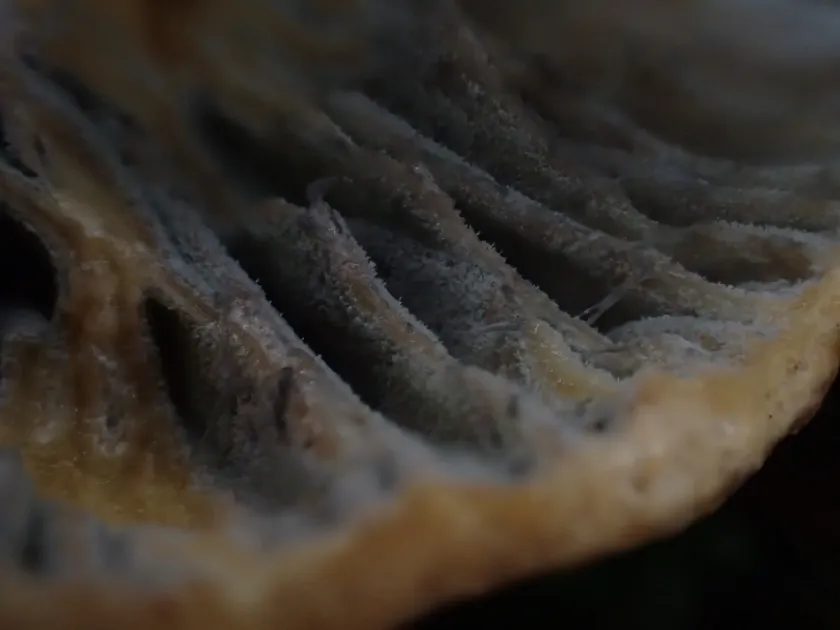
The hallmark of the disease is the development of a powdery, blue-green or grey-green fungal mass on the surface of the lesions. This mass consists of masses of conidiophores and spores.
Affected tissue becomes soft and mushy, often emitting a characteristic musty or earthy odor that is unmistakable in enclosed storage rooms.
As the rot progresses internally, the tissue changes color, usually turning brown or black, and the structural integrity of the crop is completely lost.
- Water-soaked, sunken spots on the peel.
- Development of dense, dusty blue-green fungal spores.
- Loss of firmness and texture in affected areas.
- Distinctive musty smell originating from the produce.
Pathogen
The causal agent of this disease is the microscopic fungus Penicillium aurantiogriseum, a common pathogen belonging to the Penicillium genus. It acts as a saprophyte that can easily transition into a parasite under favorable conditions.
The fungus produces numerous conidia that are easily dispersed through air currents, water splashes, and contact with contaminated equipment or handling tools. Its rapid multiplication cycle allows it to establish infection quickly.
The pathogen thrives by secreting powerful enzymes that degrade plant cell walls, allowing the fungus to penetrate deep into the plant tissue and utilize the host nutrients for its development.
One of the key biological characteristics of Penicillium aurantiogriseum is its high resilience to adverse conditions, aided by its ability to form dormant structures in soil and debris.
It is widespread in nature and can be found almost everywhere, making it a constant threat to agricultural produce both in the field and in storage facilities.
Conditions for development
High relative humidity, typically exceeding 80 percent, is the most critical environmental factor that triggers the germination of spores and the development of Penicillium rot.
Temperature is a key regulator; while the fungus can grow at various temperatures, it is most aggressive in the 15–25 degrees Celsius range, commonly found in improperly managed storage areas.
Mechanical injuries such as bruises, cuts, or punctures sustained during harvesting and transport are primary entry points for the pathogen, making wounded crops much more susceptible.
Poor ventilation in storage facilities causes moisture accumulation on the surface of the crop, creating a moist microenvironment that is ideal for fungal colonization.
Contaminated storage infrastructure, including unclean wooden crates, pallets, and walls, serves as a major source of inoculum for healthy produce during the storage season.
Why it matters
The economic impact of Penicillium rot is primarily seen in massive post-harvest losses, which can render entire batches of agricultural produce unsalable.
Beyond physical damage, the growth of the fungus can lead to the production of mycotoxins, which pose significant health risks to consumers and livestock if ingested.
The rapid spread of the disease from a single infected fruit to healthy ones, known as nesting, can quickly turn a profitable harvest into waste in a matter of days.
The degradation of quality—including appearance, texture, and flavor—reduces the market value and export potential of the entire crop, leading to financial instability for growers.
Increased operational costs arise from the need for frequent sorting, disposal of spoiled produce, and intensive disinfection measures to maintain storage hygiene.
Protection
Integrated disease management begins with good agricultural practices during harvest to prevent mechanical damage, which is the most effective way to reduce initial infection risk.
Strict sanitation protocols must be implemented, including the thorough disinfection of all storage surfaces, containers, and handling equipment before the season starts.
Maintaining a cold chain and controlling humidity levels in storage facilities are vital to keeping the fungus dormant and preventing its development on healthy crops.
Routine inspection of the stored produce allows for the early detection of infection, enabling growers to remove spoiled items before the fungus can spread to neighboring healthy units.
Post-harvest fungicide treatments may be applied where legally permitted, provided that all safety guidelines and pre-harvest intervals are strictly followed to ensure food safety.
Reference
Connections · Penicillium rot
Most often together:
Marketplace
Products · 2

Community
Discussion
No discussions yet — be the first.