
Description
Symptoms
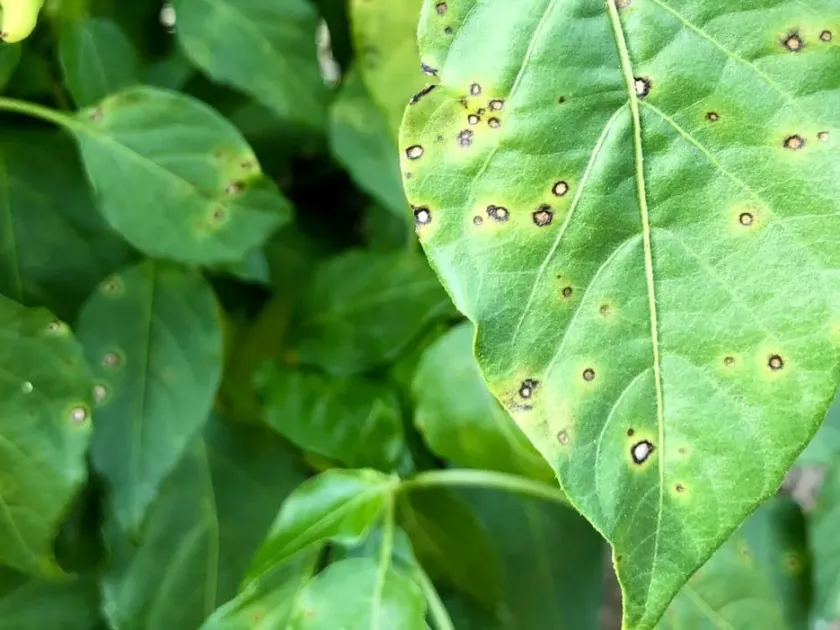
The primary signs of infection are specific changes in the color of the leaf blade, manifested as mottling or mosaic patterns. Leaf tissues acquire an uneven coloration with alternating light green and dark green patches.
Infected plants exhibit leaf deformation; leaves may become crinkled or curled, which significantly reduces the total photosynthetic surface area. Plant growth is notably stunted, leading to overall depression and poor development compared to healthy specimens.
In cases of severe infection, pepper fruits may develop necrotic spots or characteristic depressed areas. The quality of marketable produce drops significantly as fruits lose their shape, become stunted, and are rendered unsuitable for retail or long-term storage.
Internal tissues of infected plants may change structure; upon cutting the fruit, color changes in the seeds or seed cavity are sometimes visible. General symptoms of the disease appear mainly during the active fruiting phase when the plant is under maximum physiological stress.
Symptoms can sometimes be misdiagnosed as nutrient deficiencies; however, the changes caused by PMMoV are systemic in nature. Unlike fungal infections, there is no mold growth or sporulation, which is a key diagnostic marker for identifying viral presence.
Pathogen
The causal agent of the disease known as Pepper mild mottle is the Pepper mild mottle virus (PMMoV). This pathogen belongs to the genus Tobamovirus and is distinguished by its extreme stability in the environment and its ability to persist in plant debris and seeds for long periods.
This virus is a member of the tobamovirus group, characterized by high virulence and the ability to rapidly infect solanaceous crops. The transmission of the pathogen occurs mechanically through pruning tools, workers' hands, and direct contact between healthy and infected plant foliage.
Infection transmitted through seeds poses a particular threat, as contaminated seed lots become the primary source of disease outbreaks. The virus is capable of remaining infectious in dry plant remains, soil, and agricultural equipment for extended durations.
The virus primarily affects crops in the Solanaceae family, with peppers being the most significant host. In some cases, the pathogen can infect tomatoes, although the symptom expression and severity can vary significantly depending on the cultivar and environmental growing conditions.
A biological characteristic of this virus is the absence of insect vectors, which places the primary focus of disease control on sanitation. Since transmission vectors are absent, human activity and standard cultural operations remain the main factors in disease dissemination.
Conditions for development
The most favorable conditions for intensive viral development are high temperatures in greenhouses and high humidity. In protected cropping environments, the virus can spread extremely rapidly, covering large areas of the planting in a short period.
Dense plant spacing facilitates increased contact between individuals, making it easier for viral particles to be transferred during pruning or harvesting operations. The risk of infection increases significantly if regular disinfection of tools is neglected.
Plants weakened by poor agronomic practices, light deficiency, or imbalanced nutrition become more susceptible to the pathogen. Stress factors, such as sudden temperature fluctuations, create an ideal environment for the progression of the viral infection.
The spread of the virus on a commercial scale is often linked to the use of poor-quality or untreated seed material. Contaminated seeds allow the disease to manifest early in the growing season, which complicates the ability to control the situation effectively.
The long-term survival of the virus in the substrate or soil requires thorough cleaning of the area after each rotation. Failure to follow crop rotation rules and leaving crop debris in the greenhouse encourages the annual accumulation of the infectious background.
Why it matters
The primary damage lies in a sharp reduction in yield, as infected plants produce significantly fewer marketable fruits. The virus causes a systemic disease that disrupts normal plant metabolism, leading to premature aging and tissue necrosis.
Economic losses are driven not only by the quantity of fruit but also by the aesthetic quality, which is compromised by deformation and spotting. Produce harvested from infected bushes is almost entirely excluded from high-grade commercial shipments.
The prolonged duration of the disease exhausts the plant's energy resources, leaving it vulnerable to secondary infections. Pepper plants weakened by the virus may additionally be attacked by various rots, which further reduces the plant's productive lifespan.
In large-scale greenhouses, lack of control over the virus may necessitate the complete destruction of crops before the end of the season. This leads to massive financial losses associated with crop failure and the costs of total decontamination of facilities.
The virus represents a hidden threat, as it can remain latent in the early stages, infecting neighboring healthy plants before visible symptoms appear. The pathogen's potential for harm is recognized as high in all major vegetable-producing regions.
Protection
The main method of control is the use of resistant or tolerant pepper varieties and hybrids. Breeding for resistance against tobamoviruses is a fundamental pillar of modern strategies for protecting vegetable crops against this group of diseases.
Strict adherence to sanitary rules is essential, including the use of only certified, treated seed material. Seed quality must be verified through phytosanitary control to ensure the absence of viral pathogens.
All tools used in crop maintenance must regularly undergo disinfection procedures using specialized chemical solutions. It is also crucial to wash hands after handling any plants suspected of being infected.
- Spatial isolation of new plantings from older ones;
- Removal and destruction of all infected plants along with the root ball;
- Thorough cleaning of greenhouses to remove all plant debris;
- Regular soil disinfection or complete replacement when infection foci are found;
- Control of personnel, including a strict ban on smoking in greenhouse facilities.
There are no chemical treatments available to cure an already infected plant, so preventive measures are of critical importance. Effective protection is built on preventing the virus from entering the agro-ecosystem and maintaining a strict phytosanitary regime.
Pathogens and affected parts
Affects crops · 1
Discussion
No discussions yet — be the first.