
Description
Symptoms
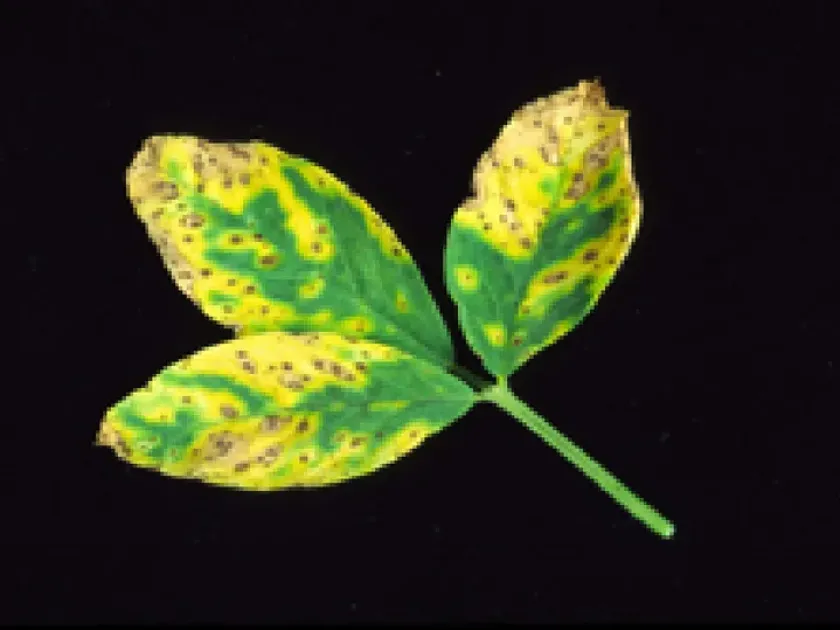
The first symptoms of Leptosphaerulina leaf spot appear as tiny, water-soaked spots on the leaves, which later turn light brown or yellow with a dark, distinct border.
As the disease progresses, these spots enlarge and often coalesce, covering significant portions of the leaf surface. In the center of the mature lesions, small, black, pinhead-sized fruiting bodies called pseudothecia appear.
Lower leaves are typically the first to show infection, but under humid conditions, the fungus spreads rapidly throughout the entire canopy of the plant.
Affected leaves eventually yellow, curl, and drop prematurely, which significantly reduces the nutritional density and overall biomass of the alfalfa stand.
In severe cases, stems may also show elongated lesions, which can weaken the plant structure and cause lodging or breakage during harvesting operations.
Pathogen
The disease is caused by the ascomycete fungus Leptosphaerulina briosiana, a specialized pathogen that targets forage legumes, particularly alfalfa.
The fungus overwinters primarily in dead leaf tissue and crop debris left in the field, surviving in the form of dormant mycelium or mature pseudothecia.
In the spring, when temperatures rise and moisture is available, the pseudothecia release ascospores, which are then disseminated by splashing rain and wind currents.
The pathogen completes its life cycle quickly, allowing it to produce several generations during a single growing season, leading to rapid disease development in susceptible stands.
Alfalfa is the primary host, but the fungus can persist and survive on other related leguminous species, which serves as a reservoir for infection in multi-crop systems.
Conditions for development
Leptosphaerulina thrives in warm, wet environments. The optimal temperature range for the fungal development is between +20°C and +25°C, coupled with frequent rainfall or heavy dew.
Dense, overgrown alfalfa stands are highly susceptible because the thick canopy traps humidity and limits air circulation, creating an ideal microclimate for fungal spore germination.
Periods of prolonged, misty, or rainy weather during the regrowth phase after cutting significantly increase the pressure of the pathogen on the recovering crop.
Plants weakened by nutrient deficiencies or insect feeding are more prone to rapid infection, as their natural defense barriers are already compromised.
Lack of proper field sanitation after harvest ensures that a large amount of inoculum remains on the surface to infect the new growth in the subsequent cutting cycle.
Why it matters
The primary economic harm is the substantial reduction in forage quality, as the leaves—where the highest protein content is located—are the first to be lost due to premature abscission.
Severe infestations can reduce dry matter yields by 20% to 30%, directly impacting the economic output and sustainability of the alfalfa operation.
The disease depletes the plant's energy reserves, leading to a decline in root health, which shortens the stand's lifespan and necessitates more frequent replanting.
Fungal infection on the reproductive parts can damage flowers and pods, resulting in reduced seed yield and lower seed quality for future plantings.
Overall, the disease negatively influences the farm's feed budget, requiring additional costs for supplements to replace the lost nutritional value of infected hay.
Protection
Selecting disease-resistant or tolerant alfalfa cultivars is the most effective long-term strategy to manage Leptosphaerulina leaf spot in commercial production.
- Harvesting alfalfa at the early bud stage helps interrupt the fungal cycle and removes infected foliage from the field before heavy sporulation.
- Practicing deep tillage to bury crop residues helps accelerate decomposition and reduces the amount of primary inoculum for the next season.
- Managing stand density and plant population to allow for adequate airflow and faster drying of the canopy after rain.
- Maintaining proper soil fertility, especially potassium levels, to enhance the vigor and natural disease resistance of the alfalfa plants.
While chemical control using fungicides is possible, it is usually only considered in high-value seed production fields, as economic thresholds for hay production are rarely met.
Pathogens and affected parts
Affects crops · 1
Discussion
No discussions yet — be the first.