
Description
Symptoms
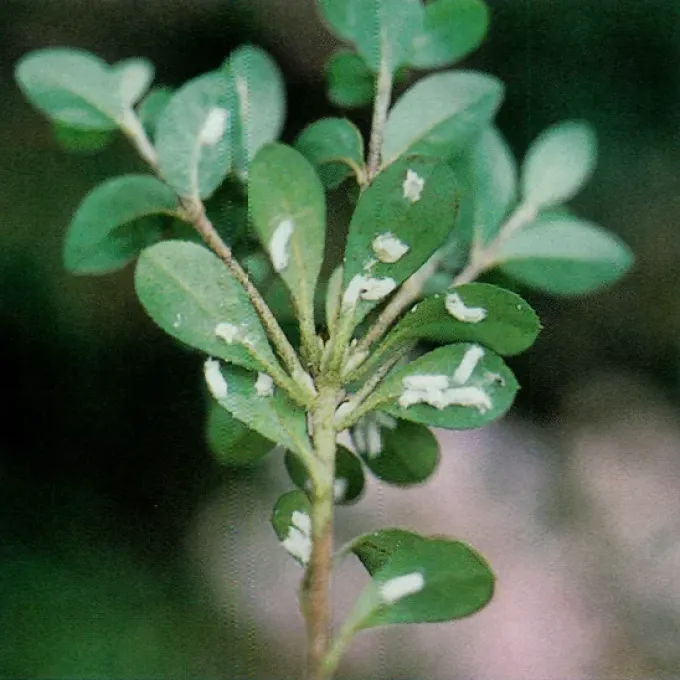
The most distinctive sign is the formation of pale green, pinkish, or fleshy galls on the leaves and sometimes on flower buds or young shoots.
As the infection progresses, the surface of these galls becomes coated with a fine, powdery white substance, which is the sporulating fungal layer.
Affected leaves eventually become deformed, thickened, and brittle, often curling into distorted shapes that significantly alter the plant's appearance.
In advanced stages, the galls turn brown or black as the tissue begins to necrotize, eventually leading to the shedding of the leaves.
The infection can also cause the arrest of growth in young shoots, making the plant look stunted and unhealthy compared to unaffected specimens.
Pathogen
The disease is caused by the fungus Exobasidium burtii, an obligate parasite that specifically infects plants within the Ericaceae family, particularly azaleas and rhododendrons.
The pathogen exists primarily as mycelium, which resides and overwinters within the host plant's dormant buds or internal tissue structures.
In spring, the fungus becomes active and produces basidia, which break through the surface of the leaves, resulting in the characteristic visible white fungal mat.
This fungus acts as a hormonal disruptor, inducing cell hypertrophy, which is the primary cause of the unusual thickening and gall formation observed on the host.
The biological cycle of Exobasidium burtii is strictly synchronized with the bud burst and leaf development of the host, facilitating rapid spread during cool, wet springs.
Conditions for development
The development of Exobasidium burtii is highly dependent on high moisture levels and mild temperatures during the early growing season.
Damp, cloudy conditions with frequent rain or morning dew provide the necessary environment for the germination of fungal spores on plant surfaces.
Poor air circulation within the shrub canopy creates a microclimate that prevents leaves from drying, thus encouraging the spread of the pathogen.
Excessive nitrogen fertilization, while promoting lush growth, creates tender tissues that are more susceptible to fungal penetration and colonization.
The spread is facilitated by wind, water splashes from rainfall, and contaminated gardening tools used on infected plant material.
Why it matters
The primary concern is the significant loss of ornamental value, which can be devastating for commercial nurseries and landscaped public gardens.
Because the disease interferes with leaf development, it reduces the plant's photosynthetic capacity, leading to reduced overall vigor and growth rates.
Infections on flower buds can prevent flowering altogether, which is a major loss for ornamental azalea and rhododendron cultivation.
Weakened plants are significantly more prone to secondary stress factors, including pests and harsh overwintering conditions, leading to potential decline.
A persistent infection can render a shrub unproductive and may eventually lead to death if the plant is not treated and sanitary measures are ignored.
Protection
The most important control measure is the early manual removal and destruction of all galls before they begin to release spores into the environment.
Pruning should be done carefully, and all tools must be sanitized with alcohol or bleach after contact with potentially infected plant material.
Application of copper-based fungicides in early spring, just before bud break, is highly effective in preventing the initial infection cycle.
Systemic fungicides are recommended if the infection is widespread, as they can penetrate the tissue to suppress internal mycelial growth.
- Ensure proper spacing to increase air circulation around the plants.
- Avoid overhead irrigation to keep the foliage as dry as possible.
- Maintain plant health with balanced nutrition to improve resistance.
Pathogens and affected parts
Affects crops · 1
Discussion
No discussions yet — be the first.