
Description
Symptoms
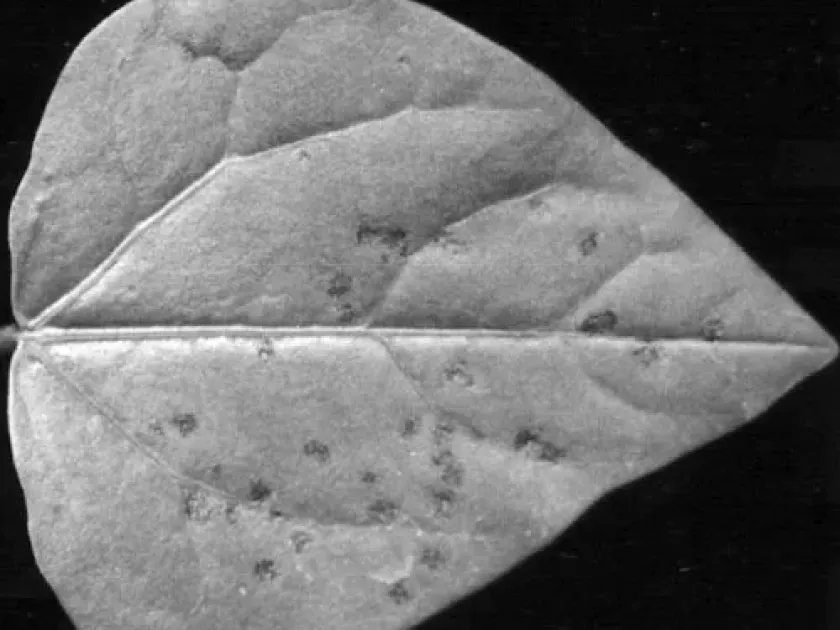
The initial symptoms appear on the leaves as chlorotic spots, which eventually develop into distinct concentric rings or patterns.
Infected plants show reduced vigor, stunted growth, and visible deformation of the leaf tissue, which affects the overall plant architecture.
Flower petals often display irregular spotting, streaking, or color breaking, which significantly diminishes the aesthetic and commercial value.
Affected carnations may exhibit shortened internodes, leading to a bushy or dwarfed growth habit that is highly characteristic of the infection.
As the disease progresses, the lower leaves may turn yellow and wither, reflecting the systemic nature of the viral infection throughout the plant.
Pathogen
The causative agent of the disease is the Carnation ringspot virus (CRSV), which is a member of the Dianthovirus genus.
This virus is characterized by its high stability in the environment, which allows it to persist for extended periods outside the host plant.
Transmission occurs primarily through mechanical means, such as contact with contaminated sap during pruning, pinching, or harvesting operations.
The virus can also be found in soil, where it persists in the remaining root systems of infected plants, serving as a source of primary inoculum.
Nematodes have also been identified as potential vectors that facilitate the movement of the virus between plants in the root zone.
Conditions for development
High humidity and soil moisture levels favor the development of the virus and its rapid spread within the plant tissues.
Dense planting patterns promote physical contact between plants, making it easier for the virus to spread via mechanical transfer during maintenance.
The optimal temperature range for the replication of the virus is typically between 18 and 24 degrees Celsius, typical for greenhouse cultivation.
Weeds related to the Caryophyllaceae family serve as reservoirs for the virus, posing a constant threat to nearby cultivated carnation crops.
Inadequate sanitation protocols during routine harvesting remain the most critical factor for the rapid spread of the virus in a greenhouse environment.
Why it matters
The main impact of this disease is the complete loss of marketable quality for carnation cut flowers due to visible symptoms.
The viral infection systemically weakens the plant, making it significantly more susceptible to secondary pathogens such as fungi and bacteria.
In professional flower production, heavy infestations lead to a drastic reduction in yield and shorter peak flowering periods.
Infected plants are effectively non-viable, requiring immediate removal and destruction to prevent further spread of the epidemic within the greenhouse.
Economic losses arise from both the reduction in crop quality and the significant costs associated with site decontamination and replanting efforts.
Protection
The primary control strategy is to utilize certified, virus-free planting material derived from meristem culture to ensure a clean start.
Strict hygiene protocols must be enforced, including the thorough disinfection of pruning tools between every single plant to prevent sap transmission.
Regular pest management to control vectors like aphids and nematodes is essential to breaking the cycle of infection within the crop.
Monitoring and rogueing are vital; any plant displaying suspicious symptoms must be promptly removed and destroyed to limit the spread.
Ensuring that the greenhouse environment is free of weeds from the Caryophyllaceae family helps minimize the presence of viral reservoirs near the crop.
Pathogens and affected parts
Affects crops · 1
Discussion
No discussions yet — be the first.