
Description
Symptoms
The initial symptom of black root rot is often chlorosis and wilting of the leaves, starting from the base of the plant. The foliage gradually turns yellow, dries out, and eventually undergoes necrosis.
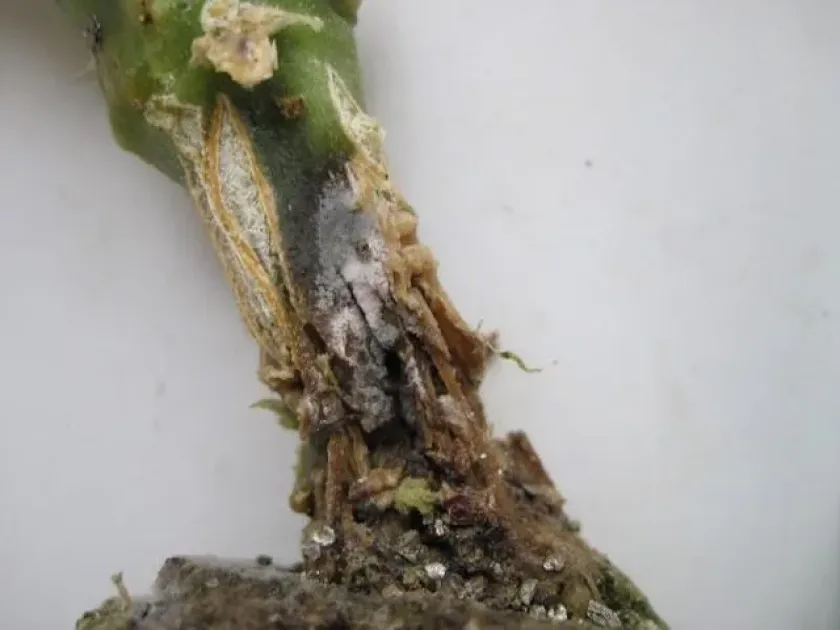
Distinctive black lesions and ulcers appear on the stem near the soil line. In severe cases, these lesions can expand and encircle the entire stem, cutting off nutrient circulation.
When examining the underground parts, especially in cassava, the roots show intense blackening and rot. The texture becomes soft and watery, and in advanced stages, the infected areas emit a foul, putrid odor.
The internal tissues of the roots and stems become discolored, appearing dark brown or black. This internal decay is a result of the accumulation of fungal pigments and the enzymatic breakdown of the plant tissue.
As the root system disintegrates due to the rot, the plant becomes unstable in the soil. It can be easily pulled out, as its anchorage is completely destroyed by the progressing fungal infection.
Pathogen
The causative agents of black root and stem rot are soil-borne fungi belonging to the genus Scytalidium, most notably Scytalidium lignicola or Neoscytalidium dimidiatum. These pathogens are persistent in the soil environment.
As facultative parasites, these fungi can exist saprophytically on decaying organic matter until they find a susceptible host. Infection typically occurs through root tips or lesions on the basal stem area.
The fungus is highly resilient and produces various types of spores, including conidia and chlamydospores, which allow it to survive in the soil for extended periods, even under adverse environmental conditions.
Once inside the host, the fungal mycelium colonizes the vascular tissues, effectively blocking the transport of water and nutrients, which inevitably leads to the decline of the plant’s health.
The global distribution of this pathogen is primarily observed in tropical and subtropical climates, where it represents a significant challenge for the cultivation of various root and tuber crops.
Conditions for development
High temperatures are the primary driver for Scytalidium activity. The pathogen thrives in warm environments, with optimal growth occurring between 25 and 30 degrees Celsius.
Excessive soil moisture and poor drainage create the ideal conditions for the fungus to multiply and spread. Waterlogged soil prevents oxygen circulation and stresses the plant roots, making them easier targets.
Mechanical damage to roots and stems, often caused by poor agricultural practices during cultivation or weeding, provides easy entry points for the pathogen to infiltrate the plant tissue.
High planting density contributes to increased humidity at the soil surface, which favors fungal development. A lack of proper aeration in the canopy and soil layer exacerbates the infection risk.
Continuous cropping of the same plant species on the same field without adequate rotation leads to the buildup of inoculum, making subsequent crops highly susceptible to severe rot outbreaks.
Why it matters
Black root and stem rot causes significant crop failure by killing plants at various developmental stages. This leads to sparse plant stands and a dramatic reduction in total field yield.
For tuberous crops like cassava, the disease severely damages the quality of the produce. Infected tubers cannot be processed or stored, as the rot spreads rapidly during transportation.
The infection places a heavy economic burden on farmers due to the loss of marketable harvest and the necessity for costly interventions and soil management strategies to reclaim the field.
In addition to yield loss, the infection lowers the overall resistance of the crop to other pests and diseases, creating a compounded threat to the agricultural system.
The presence of the pathogen limits the land use, as affected areas require lengthy fallow periods or expensive soil treatments to suppress the fungal population below an economic threshold.
Protection
Strict crop rotation is the most effective management strategy. By rotating away from susceptible crops for several seasons, the inoculum level in the soil can be naturally reduced.
Utilizing certified, disease-free planting material is essential to prevent the introduction of Scytalidium to new fields. Always inspect seeds or cuttings for any sign of discoloration.
Improving field drainage to prevent waterlogging is crucial. Ensuring good soil aeration helps maintain root health and makes the plants less attractive to soil-borne fungi.
Biological control using beneficial fungi such as Trichoderma species can help suppress the growth of Scytalidium in the soil and protect the rhizosphere of the crop.
Sanitation practices, including the careful removal and destruction of infected plant debris, prevent the accumulation of the pathogen and limit the spread of the disease within the farm.
Pathogens and affected parts
Affects crops · 1
Discussion
No discussions yet — be the first.