

Description
Symptoms
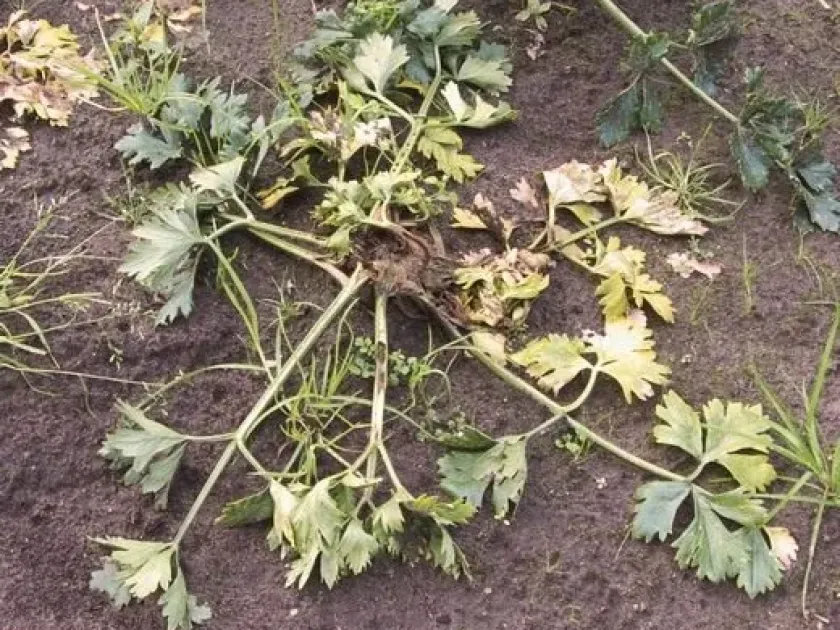
Initial signs of bacterial rot typically include the appearance of water-soaked spots on stems, leaves, or roots. Over time, these spots darken and expand, leading to the collapse of the affected tissue.
A hallmark symptom is the characteristic foul, putrid odor produced by the bacterial decomposition of proteins and pectic compounds. This smell is often an early diagnostic sign of the infection.
Infected plants often show wilting symptoms, as the bacteria can clog the plant's vascular system, preventing the transport of water and essential nutrients from the roots to the shoots.
Storage organs like tubers, bulbs, and fleshy fruits often turn into a soft, mushy, slimy mass. In advanced stages, the internal structure of the plant organ is completely destroyed.
- Water-soaked lesions on foliage or stems.
- Softening and tissue disintegration.
- Strong, unpleasant putrid odor.
- Wilting despite adequate soil moisture.
- Bacterial exudate (ooze) on the surface of infected parts.
Pathogen
Bacterial rots represent a group of infectious plant diseases caused by phytopathogenic bacteria. The most significant pathogens involved in these rots belong to the genera Pectobacterium, Dickeya, Pseudomonas, and Xanthomonas.
These microorganisms function as parasites that degrade plant cell walls by secreting complex enzymes, including pectinases and cellulases. This biochemical activity leads to the rapid disintegration of plant tissues.
Bacterial pathogens affect a wide range of crops, including vegetables, fruits, and ornamental plants. These bacteria are primarily transmitted through soil, infected plant residues, irrigation water, and contaminated seed material.
The infection process frequently begins when bacteria enter the plant through wounds caused by insects, mechanical damage during cultivation, or natural openings like stomata and hydathodes.
The biological cycle of these bacteria is characterized by rapid multiplication under high moisture conditions. Their ability to colonize host tissues aggressively makes bacterial rot a severe threat to agricultural productivity.
Conditions for development
High humidity and wet soil conditions are the primary drivers of bacterial rot development. A thin film of water on the plant surface is essential for bacterial motility and infection.
Warm temperatures, generally between +20°C and +30°C, create an ideal environment for rapid bacterial division. Such conditions often lead to outbreaks, especially in densely planted fields.
Mechanical damage is a major factor in the spread of the disease. Wounds from harvesting, transport, or insect feeding provide direct entry points for pathogens to invade the plant tissue.
Poor ventilation in storage facilities and high moisture levels can cause healthy crops to rot quickly after harvest. Controlling the storage environment is critical to minimizing post-harvest losses.
Plants suffering from nutrient deficiencies or environmental stress are inherently more susceptible to bacterial invasion, as their natural defense mechanisms against pathogens are weakened.
Why it matters
Bacterial rots are devastating to agriculture because they can result in total crop loss within a very short period. The speed at which these pathogens spread makes early detection challenging.
Harvested products affected by rot are unsuitable for consumption or market sale. Furthermore, one infected item can easily contaminate an entire batch during storage, leading to substantial financial loss.
The presence of these pathogens in soil can disrupt crop rotation plans, as infected fields may require extended periods without host crops to reduce the pathogen population to safe levels.
Economic impact includes direct investment loss in seeds, fertilizers, and labor, compounded by the high costs associated with disinfecting storage facilities and disposing of diseased biomass.
Seed-borne transmission poses a long-term threat, as infected seeds can carry bacteria to new locations, potentially introducing virulent strains into previously unaffected growing areas.
Protection
The most effective strategy is the use of resistant crop varieties. Breeding programs focused on disease resistance are essential for sustainable management of bacterial rots.
Implementing a strict crop rotation schedule is vital to break the pathogen's life cycle. Avoiding host plants for several years allows the bacterial population in the soil to decline significantly.
Integrated pest management (IPM) is crucial, as controlling insects that cause plant wounds prevents the entry of bacteria. Maintaining plant health through proper nutrition is also a key defense.
Post-harvest management involves careful handling to prevent bruising, followed by drying and storage under controlled, low-humidity conditions with adequate airflow to suppress rot development.
The application of copper-based bactericides and biological control agents can provide a protective barrier against infection, especially during periods of high disease pressure and wet weather.
Content graph
Connections · Bacterial rots
Most often together:
Marketplace
Products · 41
Community
Discussion
No discussions yet — be the first.