
Description
Symptoms
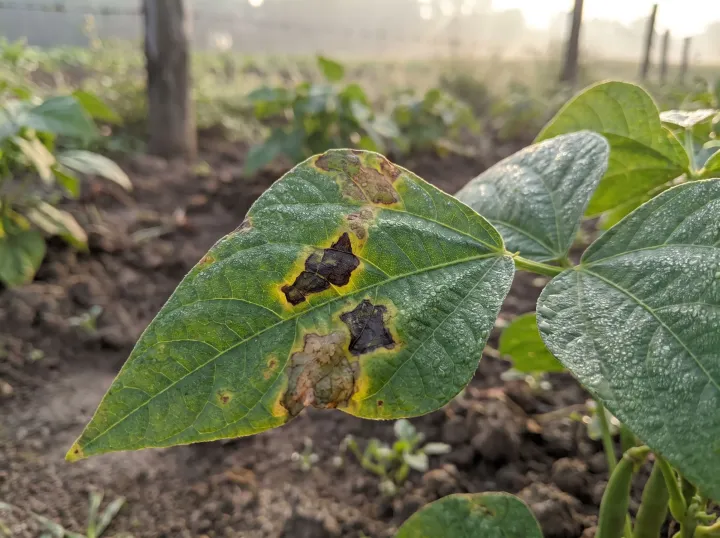
One of the hallmark symptoms is the appearance of water-soaked spots, which eventually become necrotic and may exude a slimy bacterial ooze under humid conditions.
Vascular wilting is a common sign, characterized by leaves turning yellow and wilting while remaining attached to the stem, with discolored vascular bundles inside the stem.
Soft rot diseases cause the tissues to break down into a watery, foul-smelling mass due to the rapid enzymatic destruction of cellular structures.
Bacterial cankers and spots on leaves, fruits, or tubers serve as clear indicators of infection, often developing into deep lesions over time.
Gall formation or abnormal overgrowths, typically associated with Agrobacterium, indicate hormonal disruption within the plant caused by the bacterial infection.
Pathogen
Bacterial plant diseases are caused by various phytopathogenic bacteria, most notably from the genera Pseudomonas, Xanthomonas, Erwinia, and Agrobacterium.
These prokaryotic microorganisms invade host tissues through natural openings such as stomata, hydathodes, or via wounds inflicted by insects or agricultural tools.
Once inside the plant, these pathogens secrete enzymes that break down cell walls, leading to tissue maceration and total collapse of the plant's structural integrity.
Many bacterial species are capable of surviving in soil, decaying organic matter, or within seeds, allowing them to persist through seasons and cause recurring outbreaks.
The infection process often involves the vascular system, where bacteria multiply rapidly, blocking the transport of water and nutrients to the plant's foliage.
Conditions for development
Environmental conditions play a decisive role in the development of bacterial diseases, with high humidity and leaf wetness being primary drivers for rapid spread.
Optimal temperatures for most bacterial pathogens range between 20°C and 30°C, a range that typically aligns with the active growing season for most crops.
Poor agricultural practices, including overcrowding, inadequate ventilation in greenhouses, and excessive nitrogen application, significantly weaken plant immunity.
Insects, splashing rain, contaminated irrigation water, and infected tools act as critical vectors that move bacteria from diseased plants to healthy ones.
Low soil drainage and prolonged moisture facilitate the buildup of bacterial populations, increasing the risk of infection significantly during wet seasons.
Why it matters
Bacterial diseases are highly destructive, capable of wiping out entire fields or greenhouse crops within a matter of days under favorable conditions.
Systemic infections in the vascular system are usually irreversible, leading to the rapid death of the plant and significant economic loss for the grower.
Produce harvested from infected plants is often unfit for market or storage, as rot typically continues to spread throughout the crop after harvesting.
Long-term soil contamination necessitates costly remediation strategies, such as soil replacement or prolonged fallow periods, to manage recurring outbreaks.
Direct economic losses stem from decreased yields, reduced product quality, and the high cost of implementing intensive control and sanitation programs.
Protection
The primary defense strategy involves the selection of disease-resistant varieties and the use of high-quality, certified, pathogen-free seed material.
Implementing a strict crop rotation program is essential to disrupt the life cycle of soil-borne bacteria and prevent the buildup of inoculum.
Sanitation is critical; this includes the immediate removal and destruction of infected plant debris and the regular sterilization of all gardening equipment.
Copper-based bactericides serve as a preventive measure to create a protective barrier on plant surfaces, helping to inhibit bacterial entry during the growing season.
Effective pest management is vital, as insects frequently act as vectors for bacteria and cause mechanical wounds that provide entry points for the pathogens.
Content graph
Connections · Bacterial diseases of plants
Most often together:
Marketplace
Products · 7

Organic-Balance
TRADE HOUSE "BTU-Center", LLC
Plant Growth Regulator
0
0
·
53
3 offers
11.43 €per 1 l
Buy

BIOCOMPLEXAT
Agroenergetic Technologies, LLC NVP
Plant Growth Regulator
0
0
·
53
1 offer
7.46 €per 1 l
Buy


Community
Discussion
No discussions yet — be the first.