
Zea diploperennis
Zea diploperennis H. H. Iltis et al.
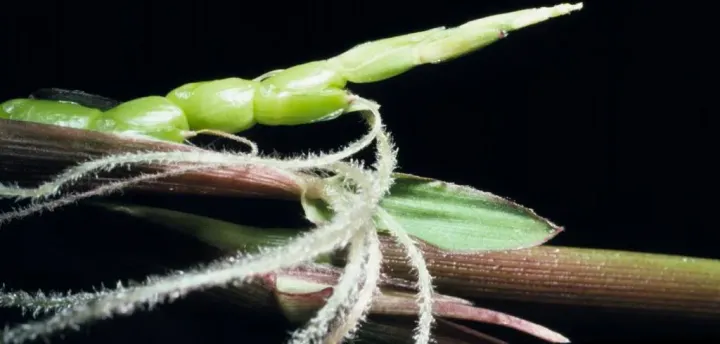
Description
Sowing dates
Zea diploperennis is a wild perennial species, and its sowing cycles differ significantly from annual crops. In its native habitat in the mountains of Mexico, germination typically aligns with the onset of the rainy season.
When cultivating this species, seeds should be sown in well-warmed soil. Because the seeds are rare and highly valuable for research, starting them in a nursery environment under controlled conditions is the preferred method to ensure high survival rates.
Seeds are placed at a depth of approximately 3–5 cm. The plants develop a robust root system quickly, which is critical for their survival as perennial organisms capable of overwintering through their rhizomes.
Proper field planning is essential because the crop is perennial and requires an area that will remain undisturbed by tillage. Once established, the plants expand through their underground rhizome network, increasing the density of the stand over time.
Success in sowing depends on creating a stable environment where the plants can develop their unique architecture. Unlike annual maize, the initial establishment phase is focused on root development rather than immediate above-ground biomass production.
Growing requirements
The plant thrives in the high-altitude regions of Jalisco, Mexico, typically between 1500 and 2500 meters above sea level. It prefers climates with moderate temperatures and consistent moisture during the growing season.
Soil requirements include excellent drainage and high fertility. The species naturally occurs in volcanic soils, which are rich in organic matter and provide the necessary aeration for its complex root and rhizome system.
Zea diploperennis is highly adaptable to various environmental factors, reflecting its evolution in specific mountainous ecosystems. It is known for its ability to handle moderate fluctuations in light and temperature conditions.
While it is generally hardy, it performs best when environmental stressors, such as extreme drought or prolonged waterlogging, are avoided. Proper management of soil structure is the key to maintaining a healthy and productive population.
Although it can tolerate various soil types, maintaining a balanced nutrient profile is advised. Over-fertilization, especially with nitrogen, should be avoided to prevent unwanted physiological imbalances.
Main diseases and pests
One of the most important aspects of Zea diploperennis is its exceptional natural resistance to various pathogens that plague domesticated maize. This genetic profile makes it a crucial resource for global breeding programs.
It possesses inherent resistance to several severe diseases, including maize dwarf mosaic virus, maize chlorotic mottle virus, and various types of rust. These traits are highly valued for developing modern, disease-resilient corn hybrids.
The plant exhibits lower susceptibility to common maize pests due to secondary metabolites present in its tissues. This chemical defense serves as a natural deterrent against various insect species.
Under artificial cultivation, the main threat to the plant remains fungal root rot, which can occur if drainage is insufficient. Keeping the soil well-aerated is the primary method of disease prevention.
In its natural habitat, the biggest threat is the destruction of its limited geographical niche rather than pests. In an agricultural setting, weed management is only critical during the very early stages of the perennial plant's life cycle.