
Hybrid Urochloa
Urochloa ruziziensis (R. Germ. & C. M. Evrard) Crins x U. brizantha (Hochst. ex A. Rich.) R. D. Webster
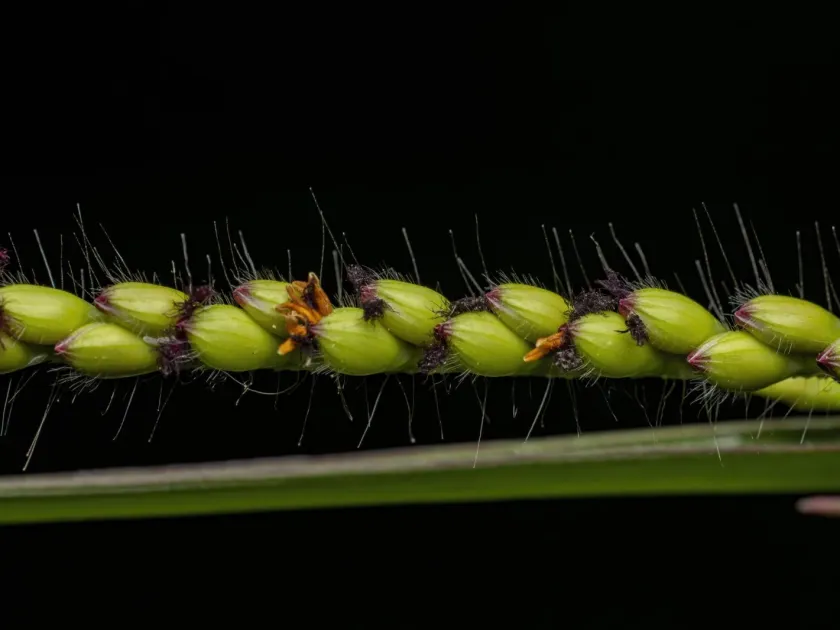
Description
Sowing dates
Optimal sowing occurs at the beginning of the rainy season when soil moisture is sufficient for germination. In hot climates, it is critical to complete the sowing process before the onset of extreme temperatures to ensure the establishment of a healthy crop stand.
Seeding rates depend on the chosen planting method and seed quality. Producers typically use row or drill seeding, which ensures uniform surface coverage and facilitates early weed suppression, allowing the crop to establish dominance over competing species.
Seeds should be planted at a shallow depth of 2-3 centimeters; deep planting can prevent the delicate seedlings from successfully emerging. Ensuring firm contact between the seed and the soil substrate is vital for capillary moisture movement and consistent germination.
Precision planters can improve field emergence and result in a more consistent sward. In some agricultural systems, overseeding into existing crops is practiced, requiring precise timing and careful management of light competition to prevent seedling suppression.
Post-sowing, it is recommended to avoid excessive trampling or early grazing until the plants are fully established. Young seedlings are susceptible to mechanical damage and require protection during the initial 40-60 days of vegetative growth.
Growing requirements
Hybrid Urochloa prefers well-drained soils but shows high tolerance to periodic waterlogging. While it performs best in loamy soils, it can produce stable yields on light sandy soils provided that adequate fertilization programs are implemented to manage nutrient levels.
The crop is thermophilic and intolerant of frost, restricting its cultivation to regions where temperatures remain consistently above freezing. The optimal temperature range for active growth is between +20°C and +35°C.
The plant exhibits exceptional responsiveness to nitrogen fertilization, which significantly boosts biomass volume. In addition to nitrogen, periodic applications of phosphorus and potassium based on soil testing are necessary to sustain long-term pasture productivity.
During dry spells, the crop can enter a state of temporary dormancy, resuming growth as soon as minimal rainfall occurs. This physiological resilience makes it an essential crop for regions characterized by distinct climatic seasonality and unpredictable rainfall patterns.
Light availability is a critical development factor; Hybrid Urochloa is sun-loving and performs poorly under intense shading. High sward density requires proper grazing management to ensure that light reaches the base of the plant, preventing the loss of leaf nutritional quality.
Yield
The biomass yield potential of Hybrid Urochloa can reach 20-30 tons per hectare (dry matter) under intensive management. These figures vary based on soil fertility, total precipitation, and the frequency of mineral fertilizer application.
Systematic nitrogen fertilization and rotational grazing allow pastures to maintain high productivity for many years. Proper management of grazing pressure prevents root system depletion and ensures the longevity of the stand.
Crude protein content in the dry matter averages between 10% and 15%, depending on the phenological stage and mineral nutrition. Quality metrics are highest during the active vegetative growth phase, prior to the onset of heading.
The metabolic energy level of the biomass is sufficient to meet the nutritional requirements of high-performance dairy and beef breeds. Studies indicate that incorporating this hybrid can increase daily livestock weight gains by 15-20% compared to native grass varieties.
Yield stability largely depends on the intervals between usage cycles. Excessive mowing or overgrazing weakens the plants, whereas overly long intervals decrease nutritional value due to increased lignification of the stems.
Main diseases and pests
The main pathological threats include fungal leaf spots, which thrive in high-humidity environments. Prevention strategies focus on maintaining optimal sowing density and ensuring sufficient air circulation to reduce the duration of leaf wetness.
Pests such as spittlebugs can cause significant damage to plantations by sap-sucking, which stresses the stems and roots. Control measures include integrated pest management (IPM) and the targeted application of insecticides when damage thresholds are exceeded.
Nematodes pose a hidden threat, damaging root systems and reducing the plant's ability to absorb water and nutrients. Infested areas typically show stunted growth and yellowing leaves, highlighting the need for regular root system health monitoring.
Inappropriate land-use regimes may lead to encroachment by invasive weeds that compete for light and moisture. Regular pasture maintenance and weeding are essential components of an effective agronomic protection program.
In rare instances, rust outbreaks may occur, particularly in years with abnormally wet summers. Timely field monitoring and the use of resistant hybrids are the most effective ways to minimize losses from such diseases.
Harvesting
Harvesting Hybrid Urochloa for hay or silage should be timed before the stems begin to harden, typically at the start of the flowering stage. At this point, the biomass contains an optimal balance of nutrients and fiber for livestock consumption.
During hay production, rapid windrow drying is essential to preserve color and vitamin content. In tropical climates, producers often utilize pre-wilting technology followed by baling to maintain high fodder quality.
For grazing, a rotational system should be established, moving the herd between paddocks as the sward is depleted. This management practice allows the plants sufficient time to restore energy reserves in the roots before the next grazing cycle begins.
Mowing height should be no less than 10-15 centimeters to protect growing points and ensure rapid regrowth. A cut that is too low significantly retards regeneration and increases the risk of plant mortality under stress.
Seed harvesting requires meticulous attention: it should be performed upon reaching physiological maturity when seeds change color and detach easily from the panicle. Timely cleaning and drying of the seeds are crucial to prevent self-heating and maintain high germination viability.