
Urochloa mosambicensis
Urochloa mosambicensis (Hack.) Dandy
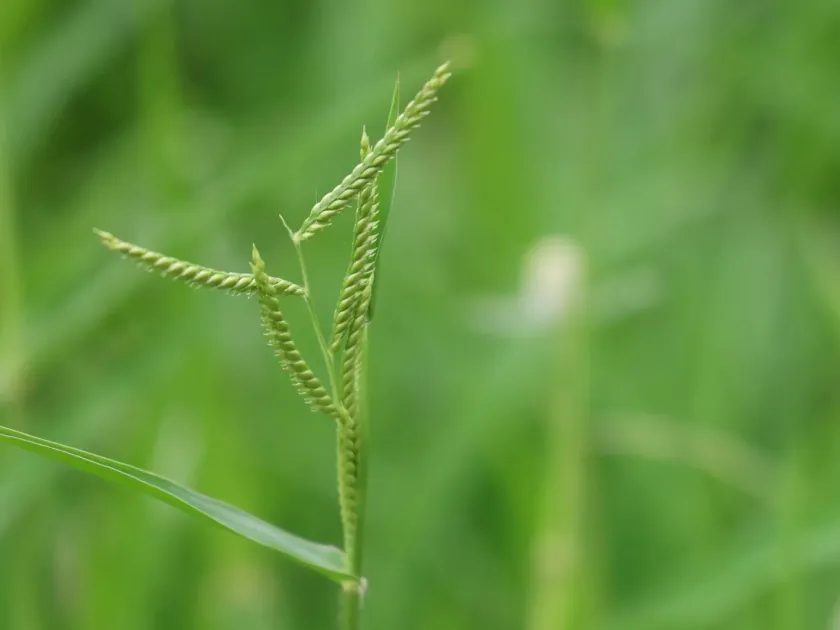
Description
Sowing dates
Sowing of Urochloa mosambicensis is usually carried out at the beginning of the rainy season when soil temperatures are high enough to support rapid germination and establishment.
The optimal planting depth is between 1 and 2 centimeters, as the small seeds require shallow placement to ensure successful emergence without exhausting energy reserves.
The recommended seeding rate varies by planting method, typically ranging from 2 to 5 kilograms of high-quality, viable seeds per hectare for pasture establishment.
Soil preparation before sowing involves mechanical tilling to create a firm seedbed, which ensures better contact between the soil particles and the grass seeds.
In arid regions, it is advisable to combine sowing with minimal starter fertilizers to encourage early root system development during the critical establishment phase.
Growing requirements
Urochloa mosambicensis belongs to the Poaceae family and is recognized for its high durability and adaptation to harsh environments, particularly in semi-arid zones.
This grass species thrives in full sun exposure and exhibits remarkable drought resistance due to its deep-reaching and extensive root architecture.
It adapts well to various soil types, ranging from light sandy soils to heavier loams, while demonstrating impressive tolerance to soils with lower fertility levels.
The plant prefers a soil pH range from neutral to slightly alkaline but shows a high level of plasticity when encountering diverse edaphic conditions across tropical landscapes.
Temperature requirements for active metabolic growth range from 25 to 35 degrees Celsius, making it a highly effective crop for warm, subtropical climates.
Yield
The biomass yield is significantly influenced by seasonal rainfall patterns and the availability of nitrogen, which boosts vegetative growth during active periods.
Under optimal management conditions, the crop produces large quantities of high-quality forage, making it an excellent choice for grazing livestock populations.
With proper irrigation or in high-rainfall years, yields can reach 10–15 tons of dry matter per hectare, providing a reliable feed source for cattle and sheep.
Frequent, managed grazing helps maintain the vigor of the stand, preventing the plant from becoming overly mature and promoting steady, nutritious regrowth.
The crop is highly valued for both hay production and direct grazing, characterized by excellent palatability and nutritional profile for various domestic animals.
Main diseases and pests
While Urochloa mosambicensis is generally robust against many common grass diseases, excessive moisture may lead to leaf fungal infections in poorly drained areas.
Pest pressures are typically manageable, though locusts and certain caterpillars can cause damage to tender shoots during the early stages of plant growth.
Nematode infestations in contaminated soils can weaken the root system, ultimately reducing the overall longevity and biomass production of the grass stand.
Integrated pest management, including crop rotation and regular monitoring, is recommended to mitigate risks and maintain healthy plant development in large fields.
Avoidance of overgrazing is a critical cultural practice; keeping grazing pressure within limits ensures the plant remains resilient against environmental stress.
Harvesting
The timing of harvest for hay production should occur at the onset of flowering to capture the optimal balance between dry matter quantity and nutritional quality.
Seed harvesting should be timed carefully after the panicles have matured, taking precautions to prevent excessive losses due to natural seed shattering.
Mechanical harvesting with standard mowing equipment is effective, provided that a stubble height of 5–7 centimeters is maintained to ensure rapid recovery.
Efficient drying processes are essential for hay storage; minimizing moisture levels quickly helps prevent fungal spoilage and retains the natural color of the forage.
Storage of harvested biomass must be conducted in dry, well-ventilated structures to prevent degradation and maintain high feed quality throughout the storage season.