
Urochloa humidicola
Urochloa humidicola (Rendle) Morrone & Zuloaga
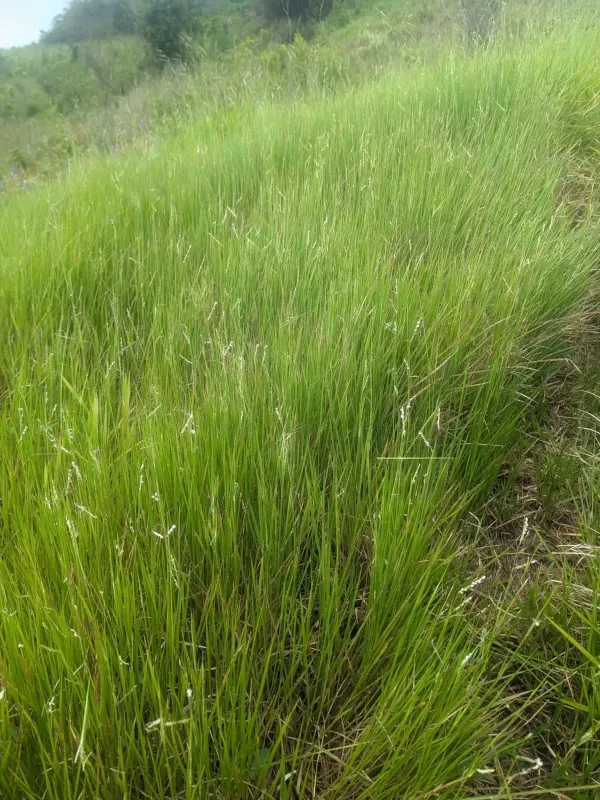
Description
Sowing dates
Sowing should be performed at the start of the rainy season when soil moisture levels are sufficient to trigger rapid germination and seedling establishment.
The optimal soil temperature for planting ranges between 20 and 30 degrees Celsius to ensure vigorous growth and development.
Seeding rates typically vary between 4 to 8 kilograms per hectare, depending on the planting method and the intended density of the sward.
It is critical to place the seeds at a shallow depth of 1–2 cm and compress the soil to ensure adequate seed-to-soil contact for moisture absorption.
Vegetative propagation using stolons is also a common practice, allowing for rapid colonization of degraded pasture lands and slopes.
Growing requirements
Urochloa humidicola, a member of the Poaceae family, is renowned for its exceptional adaptation to low-fertility and acidic soils.
This species thrives in areas characterized by poor drainage and is highly tolerant of waterlogging, outperforming many other forage grasses.
The plant requires ample sunlight for peak performance, though it displays a remarkable ability to persist under partial shading in agroforestry systems.
Its deep and extensive root system allows the grass to access deep soil water reserves, contributing to its notable drought tolerance in tropical climates.
This grass is widely used for soil erosion control due to its ability to form a thick, protective mat that stabilizes the soil surface effectively.
Yield
Forage production is highly dependent on soil management practices, including the strategic application of fertilizers to maintain nutrient levels.
Under managed grazing systems, the crop provides a consistent supply of green biomass that is palatable and nutritious for various livestock species.
Annual dry matter yields generally range from 8 to 15 tons per hectare, provided that the pasture is maintained at an optimal density.
Rotational grazing is the recommended strategy to maximize yield and ensure that the plants are not overgrazed, which could weaken the root system.
The plant demonstrates excellent regrowth capabilities, allowing for multiple harvest or grazing cycles throughout the growing season.
Main diseases and pests
One of the primary benefits of this crop is its high natural resistance to many common fungal and bacterial diseases that affect other grass species.
However, excessive moisture combined with poor soil aeration can occasionally predispose the plant to root rot pathogens if not managed correctly.
Soil-dwelling insects can cause localized damage to the root system, potentially impacting the overall vigor and productivity of the sward.
Leaf spot diseases may appear in instances of extremely high humidity and lack of air movement within dense, overgrown pasture areas.
Regular maintenance, including strategic grazing or mowing, helps mitigate pest and disease pressure by promoting better airflow within the stand.
Harvesting
Harvesting for hay or silage should be timed to the early flowering phase to ensure the optimal balance between protein content and digestibility.
In pasture management, maintaining a height of 15–20 cm is essential for encouraging the plant to produce new, nutrient-rich vegetative growth.
Seed harvesting is technically challenging due to the asynchronous ripening of the inflorescences, necessitating close monitoring of the crop.
Harvested seeds must be dried thoroughly and cleaned to remove impurities, which prevents spoilage and maintains high germination rates during storage.
Storing seed in cool, dry conditions is vital to prolong its shelf life and ensure high-quality establishment for future planting seasons.