
Para grass
Urochloa mutica (Forssk.) T. Q. Nguyen
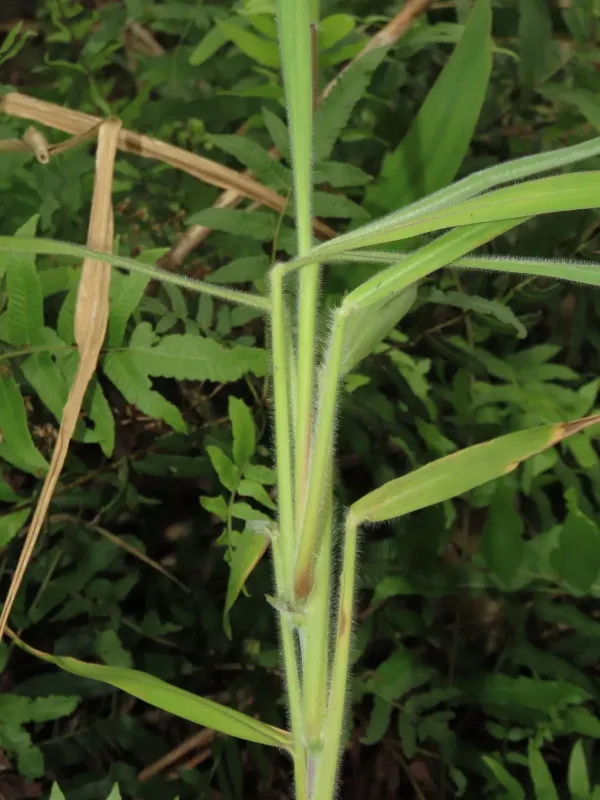
Description
Sowing dates
Para grass, scientifically known as Urochloa mutica, is a perennial tropical grass belonging to the Poaceae family. It is primarily propagated vegetatively through stem cuttings or stolons that readily root when they come into contact with moist soil.
Planting typically occurs at the onset of the wet season, as the crop requires significant moisture for rapid establishment. Cuttings of approximately 30–40 cm in length are planted in furrows or shallow pits to ensure good soil contact.
Due to its trailing growth habit, the grass spreads rapidly, forming a dense, competitive mat. In ideal conditions, the soil surface can be fully covered within a few months after the initial planting of the vegetative material.
The crop's ability to grow from stem fragments makes it highly adaptable to various field conditions. Once established, its stoloniferous nature allows it to colonize wet areas effectively, providing a reliable source of green fodder.
Farmers often choose to plant it in fertile areas near water bodies. The rapid expansion of the stolons ensures that the grass remains persistent, effectively outcompeting many common weed species in wet environments.
Growing requirements
Para grass is specifically adapted to damp and waterlogged conditions, making it one of the few forage crops capable of thriving in areas prone to seasonal flooding. It cannot, however, tolerate prolonged drought.
It prefers fertile clay or loamy soils with high organic matter content. While it is adaptable, soil acidity levels should ideally be in the range of 6.0 to 7.5 for optimal nutrient uptake and growth.
The plant thrives in warm, tropical, or subtropical climates where temperatures remain consistently above 20°C. It is highly sensitive to cold and does not survive frost, which restricts its cultivation to warmer regions.
Abundant sunlight is essential for high biomass production. Although it can tolerate light shading, full sun exposure significantly improves its nutritive value and overall dry matter yield per hectare.
Nutrient management is critical for sustaining high productivity. Nitrogen fertilization is frequently required, especially after each grazing or mowing cycle, to replenish soil nutrients and promote rapid regrowth.
Yield
Known for its exceptional productivity, Para grass is a staple in tropical forage systems. Under well-managed conditions, it can produce 40 to 80 tons of green forage per hectare annually.
The nutritional quality is highest during the vegetative stage, before the development of overly fibrous stems. It provides a good balance of protein and energy, making it an excellent feed source for cattle and buffaloes.
Yield stability is highly dependent on consistent moisture. In irrigated systems or naturally wet paddocks, the grass maintains a continuous growth cycle, allowing for multiple harvests throughout the year.
To maximize yields, rotational grazing is recommended. This practice prevents overgrazing, which can degrade the stand, while allowing the grass to recover and regenerate its succulent shoots efficiently.
When managed properly, the forage quality remains consistent over long periods. Farmers prioritize regular harvesting to ensure the livestock receives the most palatable and digestible parts of the plant.
Main diseases and pests
Para grass is relatively hardy but can be susceptible to various pests, including leaf-eating caterpillars and certain beetles. In high-humidity environments, fungal pathogens can occasionally affect leaf tissue.
Common challenges include:
- Fungal rust infections during periods of extreme humidity.
- Infestations of lepidopteran larvae that reduce foliage density.
- Competition from invasive weeds during the early establishment phase.
Preventive management involves maintaining proper drainage where possible and ensuring the stand is not left too dense for long periods, which helps reduce the risk of pathogen buildup in the canopy.
Integrated pest management strategies, focusing on biological controls and proper site maintenance, are generally sufficient to manage threats without the need for intensive chemical applications.
Harvesting
Harvesting is conducted either through mechanical cutting or controlled grazing. For mechanical harvesting, the blades should be set to leave at least 10–15 cm of stubble to encourage vigorous regrowth.
Harvest intervals typically range from 4 to 6 weeks. Cutting at this frequency ensures that the foliage remains tender and nutrient-rich, preventing the stems from becoming too lignified and tough.
Silage production is a common preservation method, as the succulent nature of the stems makes the crop suitable for fermentation. It maintains good palatability for livestock during the dry season.
Haymaking is generally more difficult due to the high moisture content of the stalks, which requires extended drying times and favorable weather conditions to prevent spoilage and mold growth.
Regular fertilization post-harvest is a standard practice to support the crop's rapid growth cycle, ensuring that the grass remains a high-yielding, long-term asset for the livestock enterprise.