
Urochloa plantaginea
Urochloa plantaginea (Link) R. D. Webster
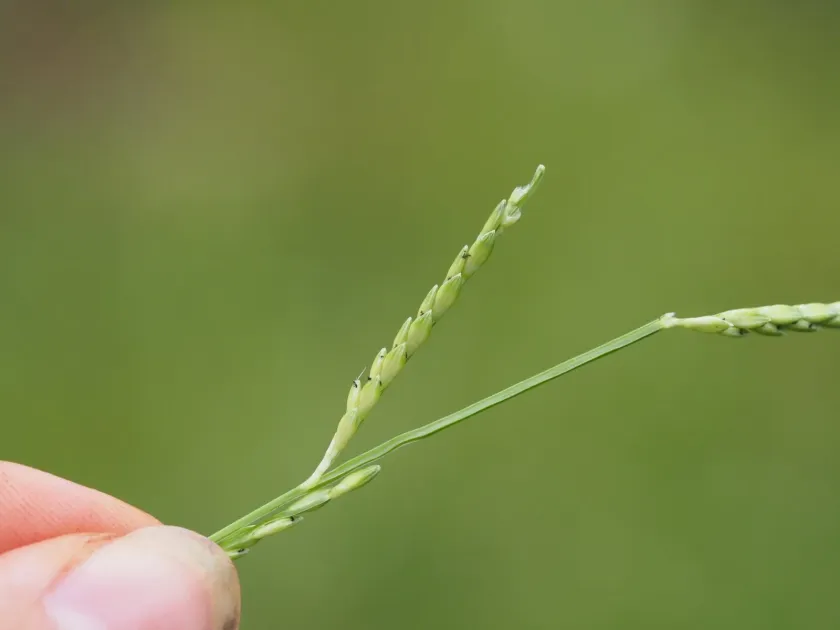
Description
Sowing dates
The sowing of Urochloa plantaginea should be performed when soil temperatures are consistently between 18 and 22 degrees Celsius. In tropical and subtropical areas, planting is typically synchronized with the start of the rainy season to ensure optimal germination and early growth.
Seeds should be sown at a shallow depth, ideally between 2 and 3 centimeters. Proper depth control is essential for uniform field emergence, as deep planting often results in seedling exhaustion before they reach the soil surface.
The seeding rate varies based on whether the crop is grown for green fodder or hay production. Row spacing of 30 to 45 centimeters is generally recommended to allow the grass to tiller effectively and form a dense canopy that suppresses weeds.
Pre-planting soil preparation is vital to eliminate weeds, as this species develops relatively slowly in the seedling stage. Providing a clean seedbed helps the young crop establish itself without early competition for sunlight and nutrients.
Applying starter nitrogen fertilizers at the time of sowing significantly boosts the development of the root system. This ensures the formation of a robust stand capable of resisting environmental stress and providing high yields throughout the growing season.
Growing requirements
Urochloa plantaginea belongs to the Poaceae family and is highly adapted to warm climates, thriving in areas with high solar radiation. The plant is extremely sensitive to cold temperatures and frost, which limits its primary cultivation to tropical and sub-tropical zones.
The crop prefers well-drained, fertile soils, including loams and sandy loams with a neutral or slightly acidic pH. While it shows some adaptability, waterlogged conditions should be avoided to prevent root stagnation and stunted growth.
Moisture availability is the primary factor for high productivity. Despite having some degree of drought tolerance once established, consistent rainfall or irrigation is required to maximize biomass accumulation during peak growth periods.
The grass responds favorably to regular applications of mineral and organic fertilizers. Maintaining a balanced nutrient supply is essential for preserving the nutritional quality of the forage, especially for protein content required by livestock.
Botanically, it is an annual grass characterized by erect or ascending stems that frequently root at the nodes. This growth habit allows it to quickly colonize available space and form a thick cover that protects the soil surface from erosion.
Yield
The yield of Urochloa plantaginea depends heavily on management practices and harvest frequency. With proper irrigation and fertilization, the crop is capable of producing significant amounts of nutritious green forage within a single growing cycle.
The first harvest typically occurs 60 to 75 days after germination, allowing for multiple cuts per season depending on climate conditions. Planning the harvest schedule is key to balancing forage supply throughout the year.
Maximum nutritional value is achieved during the flowering phase, when the plant maintains an optimal balance of proteins and carbohydrates. Harvesting at this stage ensures the highest palatability for cattle and other grazing livestock.
When used as pasture, managed grazing is essential to prevent the stand from becoming overly mature and stemmy. Controlling the intensity of grazing ensures that the plant remains palatable and productive for a longer period.
Modern agronomic practices, including the use of high-yielding cultivars, can significantly increase the production of dry matter per hectare. The species remains a reliable resource for improving the forage base in intensive livestock farming systems.
Main diseases and pests
Like many grass species, Urochloa plantaginea is susceptible to various fungal pathogens, particularly in high-humidity environments. Rust diseases and powdery mildew are common issues that can negatively affect foliage quality and overall yield.
Insect pests, such as aphids and various larvae, can damage the crop, especially during dry spells when plant resistance may be lower. Regular field monitoring is crucial to identify infestations early and apply appropriate management measures.
Poor drainage and excessive moisture can lead to root rot, which is particularly detrimental to the plant's health. Implementing crop rotation and ensuring fields are well-drained are the best preventive strategies against such soil-borne issues.
Nematodes may also pose a threat in specific regions where this grass is grown intensively. Using high-quality, certified seeds and maintaining soil health can help mitigate the risks of these hidden threats.
Optimal plant density is a key factor in disease prevention. By ensuring adequate airflow through the stand, the microclimate remains less favorable for the development and spread of fungal infections, contributing to a healthier crop.