
Intermediate wheatgrass
Thinopyrum intermedium (Host) Barkworth & D. R. Dewey
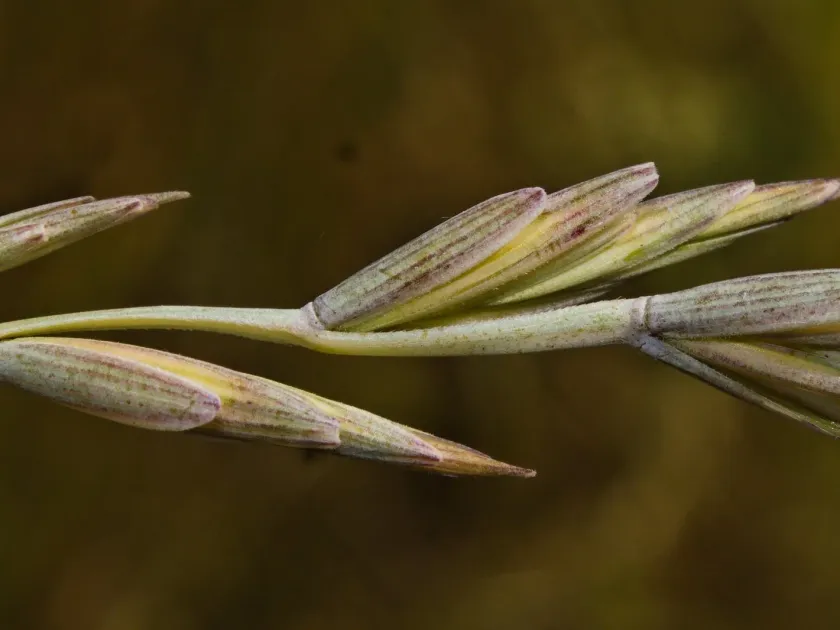
Description
Sowing dates
Intermediate wheatgrass is a perennial rhizomatous grass belonging to the Poaceae family. It features a robust root system reaching depths of up to 2 meters, which provides exceptional drought tolerance and makes it an ideal choice for stabilizing eroded slopes.
Sowing dates depend on the specific climatic zone. Early spring planting into moist, warming soil is generally considered optimal to ensure establishment before the onset of summer heat. Late autumn planting is also possible, allowing seeds to germinate early the following season.
Seeding depth should be adjusted according to soil texture, typically ranging from 2 to 4 centimeters. Precise depth control is essential for uniform emergence, especially in lighter, sandier soils where moisture levels fluctuate rapidly.
Seeding rates vary by application: wide row spacing (45–60 cm) is preferred for seed production, while row spacing of 15 cm is standard for hay and pasture fields. Proper seedbed preparation is vital to ensure optimal soil contact.
Growth during the first year is relatively slow, requiring diligent weed control. Establishing a vigorous stand early on is key, as the grass will eventually form dense, persistent sod that effectively outcompetes most invasive plant species.
Growing requirements
This species exhibits high ecological plasticity, thriving in a wide range of soil types. It performs best on fertile chernozems, chestnut soils, and well-structured loams that provide adequate aeration and drainage.
Intermediate wheatgrass is renowned for its drought resilience, making it a staple in arid and semi-arid regions. It can also tolerate moderate levels of soil salinity, which increases its value for land reclamation projects.
While tolerant of various light conditions, full sun is necessary for maximum vegetative yield and high-quality seed development. Significant shading can reduce productivity and increase the risk of lodging in mature stands.
The plant is well-adapted to wide temperature fluctuations, surviving cold winters and hot summers effectively. Growth usually commences once daily temperatures reach 5°C, allowing the crop to utilize early spring moisture efficiently.
Drainage is a critical requirement; the species does not tolerate waterlogging. Standing water for extended periods can cause root rot and crown damage, leading to stand decline, so proper field drainage must be ensured before planting.
Yield
Yield depends heavily on soil fertility and nitrogen management. Under ideal conditions with sufficient moisture or irrigation, it can produce 20–30 metric tons of green matter per hectare across multiple cuts within a single season.
Hay yields typically range from 4 to 8 metric tons per hectare. One of its main advantages is its strong regrowth capacity after harvesting, providing reliable yields throughout the growing season for livestock feed.
The nutritional profile remains excellent up until the flowering stage. It is a source of high-quality protein, digestible fiber, and carbohydrates, making it highly suitable for cattle, sheep, and other grazing livestock.
Seed production yields are generally between 300 and 800 kilograms per hectare. Timing is essential, as the seeds mature unevenly and are prone to shattering; therefore, harvesting at the mid-to-late wax stage is highly recommended.
A well-managed stand can persist for 6 to 10 years. Productivity remains high with consistent nitrogen application, which stimulates the grass to maintain density and recover quickly from repeated grazing or hay harvesting cycles.
Main diseases and pests
Intermediate wheatgrass is relatively resistant to pests and diseases, though rusts, powdery mildew, and smuts can occur in very dense, poorly ventilated stands. Maintaining good air circulation is a primary preventative measure.
To reduce disease pressure, avoid over-fertilizing with nitrogen late in the season, which can result in soft, susceptible tissue. Implementing a rotation strategy helps minimize the accumulation of soil-borne pathogens over time.
Insect pests such as cereal flies, beetles, and aphids can occasionally damage developing seed heads or stems. Monitoring programs should be in place on seed-production fields to determine if economic thresholds require chemical intervention.
Aphids and leafhoppers are of particular concern as they may act as vectors for various plant viruses. Integrated pest management (IPM) practices, including encouraging beneficial insect populations, are preferred over broad-spectrum insecticides.
Generally, the crop’s vigor helps it overcome minor infestations. By providing optimal growing conditions—adequate moisture and balanced nutrients—the plant remains naturally resilient, reducing the necessity for intensive chemical protection.
Harvesting
For hay, harvesting should occur at the early heading stage to optimize the balance between protein content and biomass volume. Delaying the harvest results in increased fiber content, which lowers the digestibility and nutritional value for livestock.
Using mower-conditioners is recommended to speed up the drying process. Once the moisture content drops to 40-50%, the crop is windrowed and baled. Storage must be in dry, well-ventilated barns to prevent molding of the hay.
Grazing management typically involves rotational systems to prevent overgrazing and soil compaction. This approach encourages uniform utilization and allows for essential rest periods, ensuring the stand remains healthy and productive for many years.
Seed harvesting should be performed with a combine harvester when the seeds reach full wax maturity. Because of the risk of shattering, the harvest window is narrow, requiring careful planning and efficient equipment utilization to capture maximum yield.
Post-harvest seed processing involves cleaning, drying to 12-14% moisture, and climate-controlled storage. These steps are crucial for maintaining seed viability and vigor for subsequent planting seasons, ensuring successful field establishment.