
Tall wheatgrass
Thinopyrum elongatum (Host) D. R. Dewey
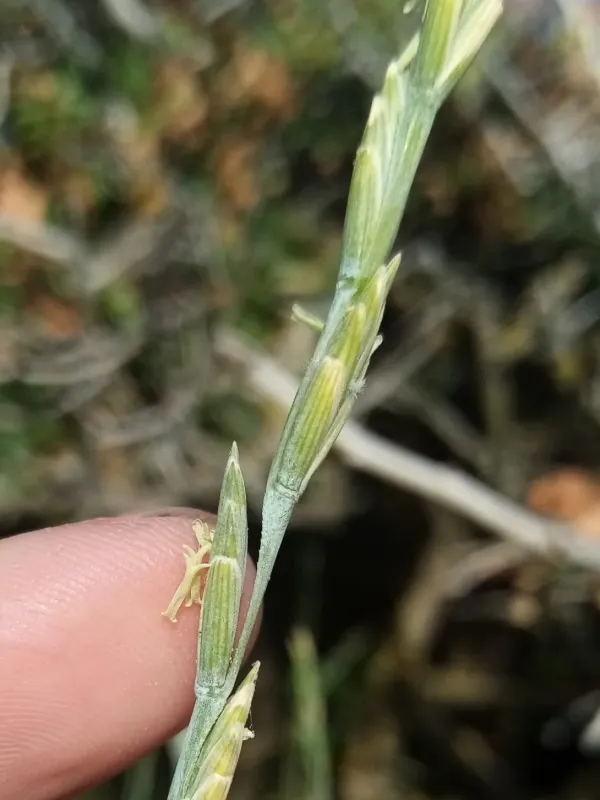
Description
Sowing dates
Tall wheatgrass is typically planted in early spring or late summer, ensuring the soil temperature is adequate for germination and allowing establishment before temperature extremes.
Seed depth should be maintained at approximately 2 to 3 centimeters for optimal emergence, as deeper sowing can significantly hinder germination rates.
For standard forage production, a seeding rate of 12 to 16 kilograms per hectare is recommended to achieve a uniform and productive stand of grass.
Seed production fields often utilize row spacing of up to 60 centimeters, which provides sufficient space for plants to develop vigorous reproductive tillers.
Rolling the soil surface immediately after sowing is a critical step, as it improves the soil-to-seed contact and helps retain soil moisture during the germination phase.
Growing requirements
Tall wheatgrass is a member of the Poaceae family, widely recognized for its exceptional tolerance to saline and alkaline soil conditions in arid and semi-arid environments.
This species is highly drought-tolerant, possessing an extensive and deep root system that allows it to access water reserves unavailable to many other forage grasses.
While tolerant of various soil types, it performs best in well-drained soils; areas with stagnant water or poor drainage should be avoided to prevent root decay.
The plant demonstrates excellent adaptability to wide temperature fluctuations, making it a reliable perennial choice for harsh inland climate conditions.
It thrives in open, sunny locations and is frequently utilized in large-scale land reclamation projects to improve degraded soil structures and reduce surface erosion.
Yield
Yields of forage range from 15 to 25 metric tons of green biomass per hectare, depending on local rainfall patterns, soil fertility, and management practices.
When harvested for high-quality hay, producers can expect a dry matter yield of 4 to 7 metric tons per hectare under ideal growing conditions.
Maximum productivity is typically achieved by the third year as the root system matures and the plants reach their peak density and vigor.
Regular nitrogen fertilization in early spring is highly recommended to stimulate regrowth and maintain high protein content in the forage throughout the season.
Seed yields are generally stable, averaging between 300 and 500 kilograms per hectare, providing an efficient path for producers to expand their planting areas.
Main diseases and pests
Thinopyrum elongatum is known for its robust health and high natural resistance to many common fungal diseases that typically affect other cereal crops.
Occasional pressure from powdery mildew may occur in regions with very high humidity or in fields where planting density is excessively high, limiting airflow.
Insect pests such as wireworms may cause damage during the seedling stage, particularly if the field was previously occupied by other susceptible grasses.
Cultural control measures, such as proper crop rotation and the elimination of weeds that serve as alternate hosts, are usually sufficient to manage pest levels.
Due to its hardy nature, the crop requires very little chemical intervention, making it an excellent candidate for low-input or sustainable agricultural systems.
Harvesting
The optimal harvest timing for hay is at the early heading stage, which balances the yield of biomass with the highest possible concentration of crude protein.
Delaying harvest beyond the heading stage leads to a rapid increase in structural carbohydrates and a decline in digestibility, reducing the overall nutritional quality.
For seed collection, direct combining is the standard method, performed when the seeds reach physiological maturity and moisture levels are low enough for safe storage.
The post-harvest straw is often utilized for animal bedding or as a carbon-rich component in agricultural composting systems, minimizing field waste.
Following the main hay cut, the stand exhibits strong regrowth potential, which can be utilized for controlled autumnal grazing to optimize land use efficiency.