
African rye
Secale africanum Stapf
Description
Growing requirements
African rye (Secale africanum Stapf) is a rare wild species within the Poaceae family. It is distinct from domesticated rye varieties, primarily functioning as a specialized perennial grass native to the harsh environments of Southern Africa.
The plant originates from the Cape Province, where it has adapted to semi-arid climates. Its historical evolution in these regions has resulted in unique physiological traits that allow it to thrive in nutrient-poor soils and under significant moisture deficits.
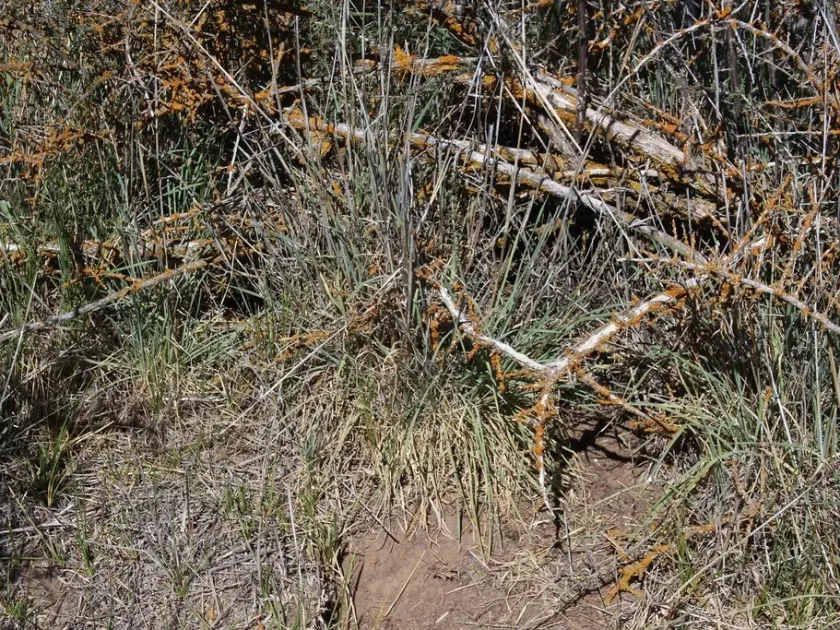
Morphologically, African rye is a tufted grass with a robust root system. It exhibits a distinct spike structure, which researchers study to understand the evolutionary history and phylogenetic links between different members of the Secale genus.
Regarding cultivation requirements, the species demands high solar exposure and well-drained soil conditions. It does not tolerate waterlogging, preferring substrates that allow for excellent aeration and rapid drainage, mimicking its natural mountainous habitat.
While not a major commercial grain crop, its value lies in its genetic diversity. Scientists utilize Secale africanum in breeding programs to introduce desirable traits such as drought tolerance and disease resistance into common wheat and rye cultivars.
Main diseases and pests
The species faces threats primarily from habitat degradation and invasive species competition. When grown in experimental agricultural plots, it may encounter standard cereal pathogens if drainage is not managed correctly.
Typical threats include fungal infections occurring under humid conditions and potential damage from generalist pests that affect wild grasses. However, the plant exhibits a high level of natural resilience in its native ecosystem.