
Kentucky bluegrass
Poa pratensis L.
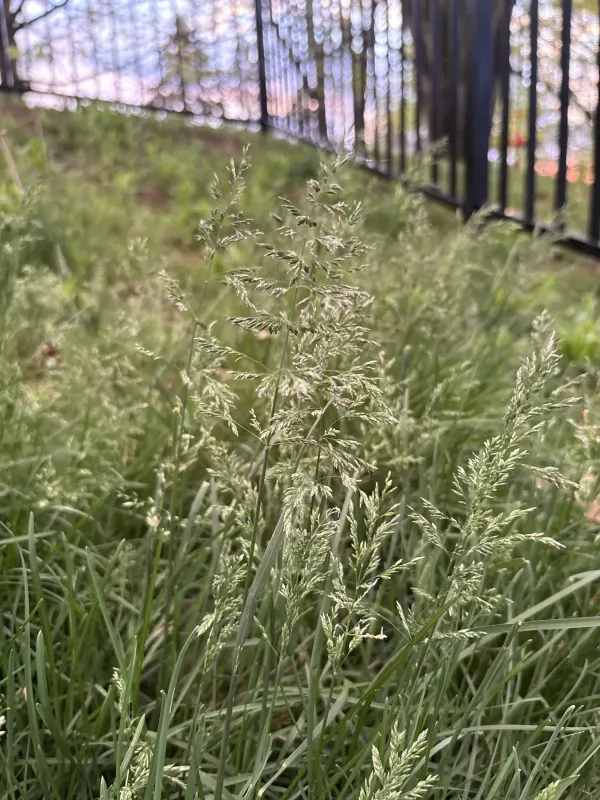
Description
Sowing dates
Kentucky bluegrass is typically sown in early spring or late summer when soil temperatures are between 15 and 20 degrees Celsius for optimal germination.
The seeds are extremely small, requiring a very shallow sowing depth of about 0.5 to 1 centimeter to ensure consistent moisture absorption during the early growth phase.
It is recommended to use a seed drill or broadcast the seeds followed by light rolling to maximize contact between the soil and the seeds.
The optimal seeding rate varies from 10 to 20 kilograms per hectare depending on whether it is intended for pasture use or turf establishment.
Because germination is relatively slow, keeping the topsoil constantly moist during the first three weeks post-sowing is critical for stand establishment.
Growing requirements
As a member of the Poaceae family, Kentucky bluegrass is highly valued for its rhizomatous growth habit, which allows it to form a dense and durable turf.
This species thrives in temperate climates and is widely recognized for its excellent winter hardiness and ability to recover after periods of harsh cold.
It prefers well-drained, fertile, and slightly acidic to neutral soils; it performs poorly in extremely waterlogged areas or conditions with high alkalinity.
While it exhibits moderate drought tolerance, the grass prefers adequate moisture and will enter a dormant state during prolonged dry spells to protect itself.
The plant is highly responsive to nitrogen fertilization, which is necessary to maintain its vibrant green color and vigorous growth throughout the season.
Yield
In optimal agricultural conditions, Kentucky bluegrass can produce significant amounts of high-quality forage, reaching up to 200–250 quintals per hectare.
Seed production is a specialized segment of cultivation, with yields ranging from 300 to 700 kilograms per hectare depending on management intensity.
The crop reaches its peak productive potential in its third year, after the rhizome network has fully established and the stand has become uniform.
Regular fertilization and proper irrigation are the primary drivers of yield, especially in systems where the grass is utilized for multiple annual mowings.
Sustainability of the crop is high, as it can persist for over a decade if managed correctly, contributing to soil health and erosion prevention.
Main diseases and pests
Kentucky bluegrass is susceptible to several fungal diseases, particularly under conditions of high humidity, poor air circulation, or excessive soil moisture.
Common pests include billbugs and white grubs, which feed on the roots and can cause significant damage to the overall vigor of the stand.
Management of these threats involves balanced nutrition to strengthen the plant, alongside integrated pest management techniques when necessary.
Proper mowing height is essential for disease control; keeping the grass slightly higher improves its resistance to heat stress and fungal infections.
- Powdery mildew
- Rust disease
- Leaf spot
- White grubs
Harvesting
For forage production, the harvest is best timed at the heading stage to balance the dry matter yield with the nutritional quality of the hay.
When harvesting for seed, the operation should occur when the panicles have turned brown and the seeds are firm, usually mid-summer.
Multiple mowings can be conducted per season, provided there is a recovery interval of at least 40 days to allow for regrowth from the rhizomes.
Post-harvest management involves clearing the residue and applying light fertilizer to support the recovery of the plants before winter dormancy.
Drying the cut material quickly is essential to prevent mold growth and maintain the palatability of the harvested forage for livestock.