
Hybrid of Texas bluegrass and Kentucky bluegrass
Poa arachnifera x P. pratensis
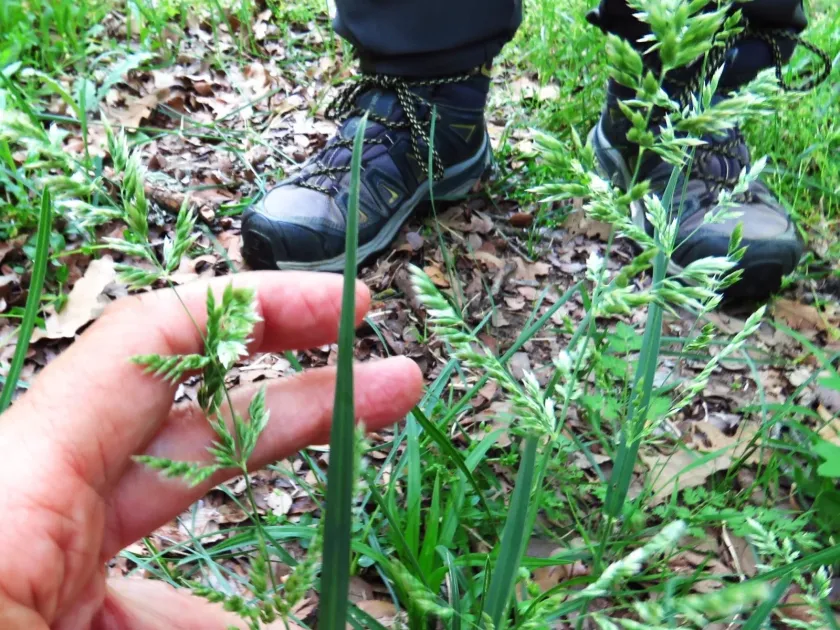
Description
Sowing dates
The sowing of this hybrid is typically performed in early spring or late summer when soil moisture is optimal for germination. The ideal soil temperature ranges from 10 to 18 degrees Celsius.
The hybrid seeds are highly viable but require a well-prepared seedbed. Given their small size, seeds should be planted at a shallow depth of 0.5 to 1 cm to ensure adequate light exposure during germination.
A seeding rate of approximately 15–25 kg per hectare is recommended to establish a dense turf. When overseeding existing areas, the rate is often increased to successfully compete with established vegetation.
Compacting the soil immediately after sowing is critical to ensure optimal seed-to-soil contact. This practice significantly enhances the uniformity and speed of emergence.
Post-emergence, consistent irrigation is necessary for the first four weeks. Young plants are sensitive to dry conditions, and maintaining surface moisture is essential for establishment.
Growing requirements
This hybrid was developed to merge the drought tolerance of Texas bluegrass (Poa arachnifera) with the winter hardiness of Kentucky bluegrass (Poa pratensis). It belongs to the Poaceae family.
The crop thrives in well-drained loamy or sandy soils with a neutral to slightly acidic pH. It demonstrates superior moisture stress tolerance compared to pure Kentucky bluegrass stands.
Full sun exposure is required for optimal development. While the hybrid shows moderate shade tolerance, density and vigor are significantly higher in open, sunny environments.
The hybrid is cold-hardy and capable of rapid spring green-up. Its growth cycle begins early in the season, allowing it to establish a strong root system before summer heat arrives.
Moderate fertility is needed, but nitrogen application at the start of the season is highly recommended to stimulate biomass production and increase stand density.
Yield
The yield of green biomass depends heavily on irrigation management and nutrient availability. Under intensive management, this hybrid produces a very dense and resilient sod.
Biologically, the hybrid is characterized by vigorous tillering. Throughout the growing season, it produces numerous vegetative shoots, which maximizes ground coverage and total biomass.
In turf applications, productivity is measured by the plant's ability to recover from traffic and mechanical damage. The hybrid demonstrates excellent resilience to frequent mowing.
Seed production in interspecific hybrids can be limited by reduced fertility. Therefore, specialized management is often required to achieve commercial-grade seed yields.
To maximize biomass, rotational grazing or regular mowing schedules should be implemented to manage the growth rhythm and maintain the plant in a vegetative state.
Main diseases and pests
Cereal flies are the primary pests affecting young seedlings. Integrated pest management practices, including monitoring and timely insecticide applications, are necessary to protect the stand.
Leaf rust is the most prevalent fungal disease, particularly in humid conditions with wide temperature swings. Regular mowing helps manage the canopy environment to reduce rust risk.
Powdery mildew may also affect foliage during periods of stagnant air and high humidity. Fungicide treatments are effective when symptoms are detected early.
Root rot is a potential threat under waterlogged conditions. Proper field drainage is the most effective preventative measure against soil-borne pathogens.
Weed management requires the use of selective herbicides, as young hybrid plants may be sensitive to certain chemical compounds before reaching full maturity.
Harvesting
Seed harvesting should occur at full maturity, just before mass shedding begins. Monitoring moisture content is vital to prevent spoilage during post-harvest storage.
When harvesting for forage, the first cut is usually performed at the full heading stage. This timing provides an optimal balance between total mass and nutritional quality.
Subsequent cuts can be performed as the grass regrows, provided there is adequate moisture. The hybrid typically shows rapid regrowth, allowing for multiple harvests per season.
During mechanical harvesting, it is important to avoid overly low cutting heights, which can damage the growing points and delay subsequent recovery.
Post-harvest conditioning includes cleaning to remove impurities and drying in well-ventilated conditions to maintain long-term seed viability.