
Glaucous bluegrass
Poa glauca Vahl
Description
Growing requirements
Glaucous bluegrass (Poa glauca Vahl) is a hardy perennial grass belonging to the Poaceae family. This species is widely recognized for its ability to thrive in extreme arctic and alpine environments across the Northern Hemisphere.
The plant demonstrates a strong preference for well-drained, rocky, or sandy soils. It is particularly well-adapted to nutrient-poor substrates, making it an excellent colonizer of disturbed or rugged terrain.
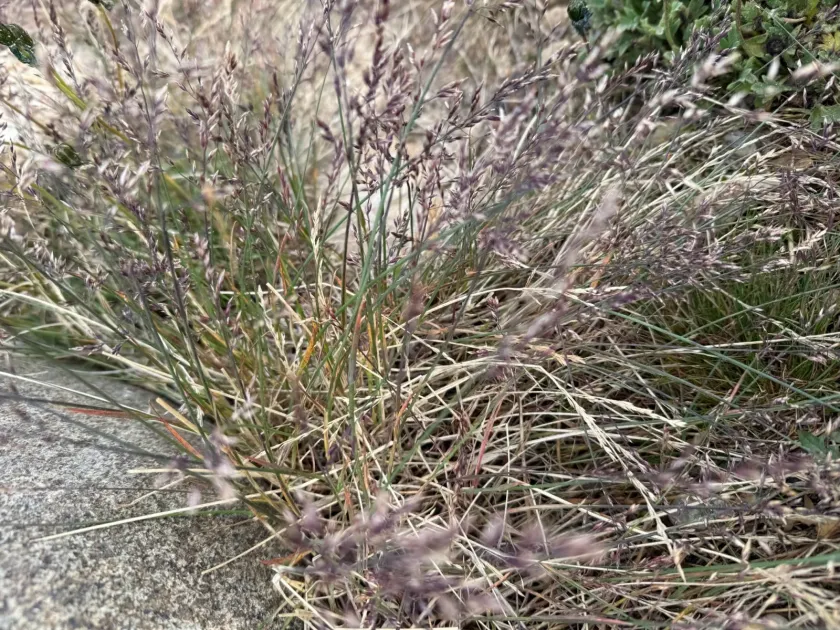
Botanically, it is characterized by its glaucous (bluish-gray) foliage, which serves as a protective mechanism against intense solar radiation and excessive moisture loss in harsh, wind-swept landscapes.
Regarding climatic conditions, Poa glauca is exceptionally cold-hardy, surviving long, freezing winters and short growing seasons. It requires full sun exposure and does not tolerate competition from tall, shading vegetation.
The root system is fibrous and dense, providing essential soil stabilization benefits, which prevents erosion in mountainous regions where the plant typically grows.
Yield
The agricultural and economic utility of glaucous bluegrass is focused on its role in natural rangelands and as a component of wild pastures for grazing ungulates in northern latitudes.
Although it does not produce the high biomass yields associated with intensive agricultural cereal crops, its reliability in extreme climates makes it an important forage resource.
The forage quality of this species is notably high in terms of mineral content and palatability, especially during the early stages of its growth when other forage is scarce.
For conservation purposes, it is used in land reclamation projects to improve soil structure and provide ground cover in alpine ecosystems where environmental conditions are prohibitive for most other species.
Future potential in plant breeding involves utilizing its resilient genetic traits to develop more stress-tolerant grass cultivars for regions affected by climate instability.