
Canada bluegrass
Poa compressa L.
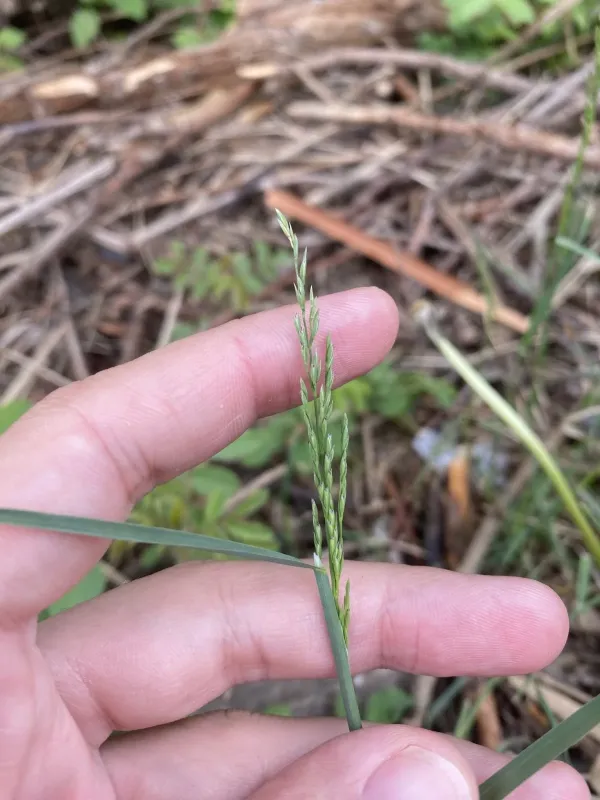
Description
Sowing dates
Canada bluegrass (Poa compressa L.) is a perennial grass species in the Poaceae family. It is recognized for its flat, blue-green stems and its exceptional ability to thrive in poor, drought-prone environments.
Planting is typically performed in early spring or late autumn. Seedbed preparation should prioritize a firm soil surface, as the seeds are quite small and require shallow coverage, usually no deeper than 1–2 cm.
The germination process is relatively slow compared to other grasses. Adequate soil moisture during the establishment phase is critical, even though the plant becomes extremely drought-tolerant once mature.
Seeding rates generally range from 6 to 10 kilograms per hectare depending on the specific project, such as rangeland improvement or soil stabilization on steep embankments.
Seedlings develop slowly, so maintaining a weed-free environment during the first season of growth is essential to prevent competition and ensure proper root system establishment.
Growing requirements
This grass is highly prized for its extreme versatility and resilience. It performs exceptionally well on rocky, sandy, or dry soils that are typically unsuitable for more demanding forage species.
Canada bluegrass is noted for its high tolerance to drought and heat. Its well-developed rhizomes allow it to colonize difficult terrains, such as eroded slopes and exposed gravelly areas.
It prefers full sun exposure to maintain its dense sod and characteristic blue-green color. It is highly winter-hardy and can withstand significant temperature fluctuations throughout the year.
The plant adapts well to a broad range of soil pH, including slightly acidic and moderately alkaline conditions. It also shows a moderate tolerance to soil salinity, making it useful in land reclamation.
Its ability to form a thick, fibrous root mat makes it an ideal candidate for erosion control on road cuts, railway banks, and steep hillsides where surface stability is a primary concern.
Yield
The primary agricultural use of Canada bluegrass is in permanent pastures and rangelands, particularly in areas where other grasses fail due to poor fertility or low water availability.
While its yield of biomass is lower compared to intensively managed forage crops, it provides a reliable source of grazing forage during the dry summer months when other grasses dormant.
Forage quality is moderate; however, it remains palatable to livestock if managed correctly through proper grazing rotation. It recovers quickly from grazing pressure due to its rhizomatous growth habit.
In addition to livestock use, the grass is frequently employed in phytoremediation and land restoration projects to prevent soil degradation and improve the structural integrity of disturbed lands.
Harvesting for seed is possible in some regions, though it requires specific conditions to ensure uniform ripening. The primary value remains in its utility as a protective ground cover.
Main diseases and pests
Canada bluegrass exhibits strong natural resistance to most common diseases affecting forage grasses. It is rarely impacted by major pathogens, reducing the need for chemical interventions.
Rust and powdery mildew are occasional observations, primarily occurring in excessively wet and humid seasons, but these rarely progress to levels that threaten the survival of the stand.
Insect pests typically associated with grasses, such as aphids or cereal beetles, are present but rarely cause economic injury. The tough, wiry texture of the stems provides a natural deterrent.
Effective management includes preventing overgrazing, which maintains the vigor of the rhizomes and reduces the risk of weed encroachment. No complex pest control strategy is required for this species.
The plant's overall biological robustness makes it a sustainable choice for environmental projects, allowing for low-input management and high environmental safety in its application.