
Alpine meadow-grass
Poa alpina L.
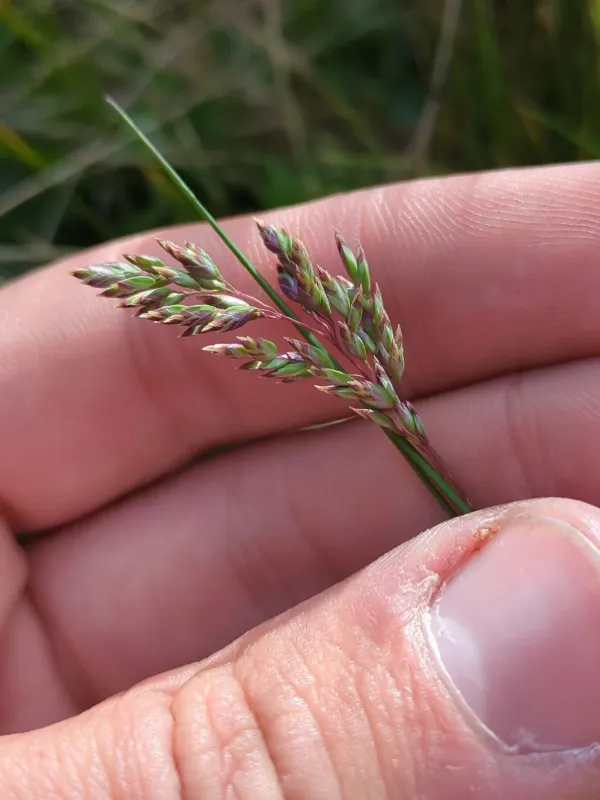
Description
Growing requirements
Alpine meadow-grass (Poa alpina L.) is a robust perennial grass species belonging to the Poaceae family. It is recognized for its dense, tussock-forming growth habit, which provides excellent soil stabilization in high-altitude environments.
The plant originates from the mountainous and arctic regions of the Northern Hemisphere. It is highly adapted to extreme conditions, including short, cool growing seasons and long periods of snow cover, demonstrating remarkable winter hardiness.
For successful growth, this species requires a cool, moist climate with adequate light exposure. It thrives best in well-drained, nutrient-rich soils and is typically found in alpine meadows, rocky slopes, and tundra ecosystems.
Soil pH preference for this species ranges from slightly acidic to neutral. Providing proper drainage is essential, as the roots are sensitive to waterlogging, which can lead to root rot during the snowmelt period.
Agricultural management should include maintaining soil fertility through light fertilization in early spring to encourage initial vegetative growth and ensure the crop establishes a strong, competitive root system.
Yield
Alpine meadow-grass is highly valued in pastoral farming as a high-quality forage crop. It is palatable to various types of livestock and retains its nutritional value throughout the growing season, making it ideal for continuous grazing.
The plant is frequently utilized in reseeding programs for alpine pastures. Its ability to regenerate quickly after grazing makes it a reliable component in mixtures designed for sustainable long-term forage production.
Yield capacity is influenced by soil nutrient availability and moisture. Under well-managed grazing conditions, it consistently provides dense ground cover and high-quality biomass that promotes healthy animal development.
Beyond forage, the species is widely used for ecological restoration, including slope stabilization and erosion control projects. Its aggressive root structure effectively binds soil particles, preventing sediment runoff.
When grown for seed, harvesting must be timed carefully to match peak maturity. The species produces small, light seeds that require specialized harvesting equipment and prompt processing to maintain viability.
Main diseases and pests
The main threats to Alpine meadow-grass cultivation include fungal pathogens such as rusts and powdery mildew, which can diminish biomass quality. These issues are often exacerbated by high humidity and poor ventilation within the stand.
Snow mold can pose a significant threat following late-melting snow cover, as it weakens the plant during the critical early spring recovery phase, potentially leading to patches of bare ground.
Insects such as wireworms may cause damage by feeding on the root systems, particularly in newly established or weakened stands, necessitating monitoring of soil health during the early growth stages.
Preventative management is key to mitigating threats; this includes regulating grazing pressure to ensure the grass is not overgrazed, which would otherwise reduce its vigor and competitive ability against weeds.
Effective stand management, including adequate spacing and avoiding over-application of nitrogen, helps maintain a robust plant population that is less susceptible to opportunistic infections and pests.