
Phleum subulatum
Phleum subulatum (Savi) Asch. & Graebn.
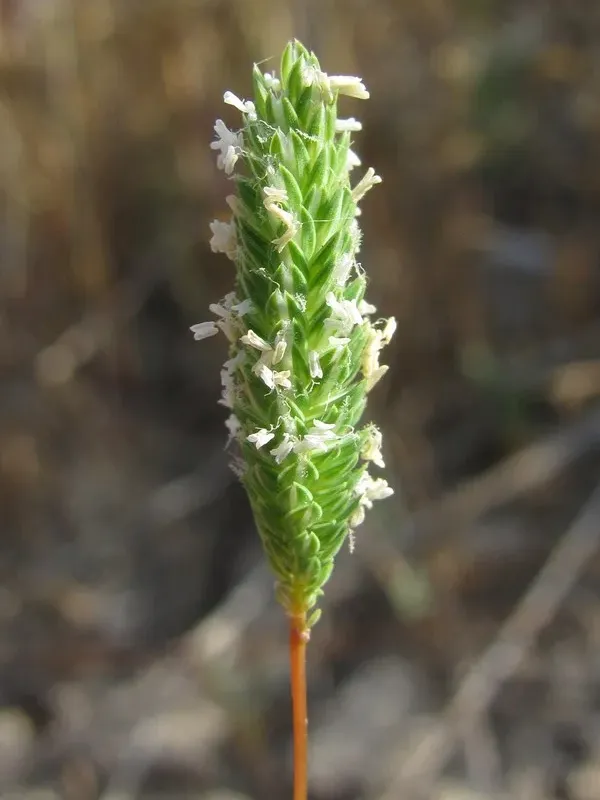
Description
Sowing dates
Phleum subulatum, commonly known as a type of annual Timothy grass, belongs to the Poaceae family. It is recognized for its role in pasture development and forage production.
The optimal sowing time occurs in early spring once soil temperatures reach 6-8 degrees Celsius, ensuring enough soil moisture for successful germination.
Standard sowing practices involve using a seed drill with row spacings of 15 centimeters. This density promotes optimal cover and weed suppression.
Seed depth should be carefully controlled at 1-2 centimeters. Shallow sowing combined with rolling the field ensures excellent soil-to-seed contact for uniform emergence.
Given the small seed size, a fine-tilled seedbed is essential to maximize the percentage of seedling establishment across the entire field.
Growing requirements
This grass thrives in temperate to Mediterranean climates, benefiting from stable sunlight and moderate moisture levels throughout the growing season.
While adaptable to various soil types, Phleum subulatum produces the best biomass results on fertile loamy soils with good structural stability.
The species exhibits remarkable tolerance to short-term dry spells, allowing it to be used effectively in regions where precipitation patterns are irregular.
It performs well in slightly saline soil environments, which increases its value for land reclamation and farming in challenging geographical zones.
Providing adequate nitrogen and phosphorus fertilizers can significantly enhance the yield, helping the plant develop a robust root system during the early stages.
Yield
Expected yields for green matter range between 150 and 250 quintals per hectare, depending heavily on the soil fertility and management practices employed.
When harvested as hay, the dry matter yield typically fluctuates between 40 and 70 quintals per hectare, depending on harvest timing and moisture content.
The primary use of this crop is as a high-quality forage source for livestock, particularly for grazing systems involving sheep and cattle.
The nutritional profile is characterized by high palatability and decent protein content, which is essential for livestock maintenance and weight gain.
- High forage quality
- Good palatability for livestock
- Adaptable to intensive grazing
Main diseases and pests
Common diseases affecting this species include rust and powdery mildew, which can become prevalent under conditions of high humidity and poor airflow.
Pests such as grass flies and aphids can cause damage during the active growing phase by feeding on the sap or damaging the developing leaf tissue.
Integrated pest management strategies, including proper crop rotation and timely mowing, are effective in controlling the spread of these pathogens and pests.
Monitoring the field for pest activity is recommended during the sensitive stages of tillering to prevent economic losses in biomass yield.
Chemical control measures should be applied only when necessary, following local agricultural guidelines to minimize environmental impact.
Harvesting
For high-quality forage, harvesting should occur during the heading phase, as this is when the nutritional content is at its absolute peak.
Seed harvesting should be planned when the heads begin to show signs of maturity, ensuring seeds are fully formed to prevent loss due to shedding.
Modern harvesting machinery should be set at a low cutting height to ensure the remaining stubble can support quick regrowth for subsequent grazing.
After cutting, the grass should be left to dry in the field under favorable weather conditions, with frequent turning to ensure uniform moisture loss.
Proper storage of the harvested crop in dry conditions is critical to prevent mold growth and preserve the long-term nutritional value of the hay.