
Hairy timothy
Phleum hirsutum Honck.
Description
Sowing dates
Sowing should take place in early spring or late summer. Spring sowing allows the plants to establish themselves using spring moisture, while late summer sowing helps the grass prepare for dormancy before the first major frosts.
Because the seeds are very small, shallow sowing (1-2 cm) is mandatory. If planted too deeply, the seeds lack the energy to emerge, leading to poor stand density. A light harrowing or rolling after sowing is recommended to ensure firm soil contact.
The seeding rate depends on the intended use—pasture or hay production. A uniform distribution is crucial for preventing gaps where weeds could easily invade during the slow establishment phase of the first growing season.
In the initial year, growth is relatively slow compared to other grasses. Farmers must ensure proper weed management during this phase to allow the hairy timothy seedlings to compete effectively for resources.
Soil preparation is essential. It should be firm and free from large clods to ensure the small seeds can germinate evenly. Irrigation may be necessary in the early stages if there is an unexpected dry spell after seeding.
Growing requirements
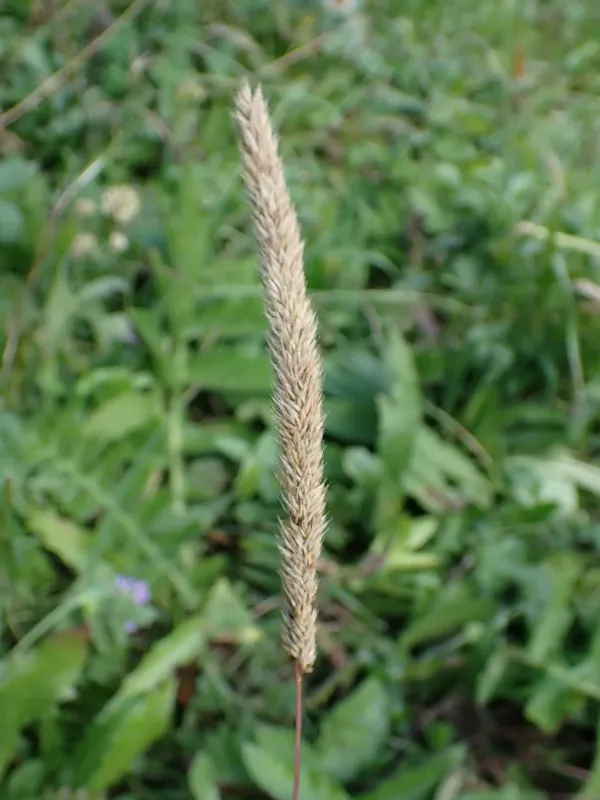
Hairy timothy (Phleum hirsutum) is a perennial grass belonging to the Poaceae family. It is distinct from the common timothy grass, as it is specifically adapted to mountainous environments, high-altitude meadows, and rocky terrains typical of European alpine zones.
This species thrives in well-drained, lime-rich soils. It exhibits excellent cold tolerance, allowing it to survive harsh mountain winters and short growing seasons that would be detrimental to other forage species. It requires moderate sunlight to reach its full development potential.
The plant is known for its hirsute (hairy) stems, which provides a level of resilience against certain environmental stressors. Its root system is fibrous and dense, effectively stabilizing soil on slopes and preventing erosion, which is vital for the health of alpine ecosystems.
While it prefers cool climates, it can adapt to lower elevations if the soil conditions remain favorable. It performs best in areas that do not experience prolonged waterlogging, as the root system requires adequate aeration to function optimally.
Agronomically, hairy timothy is valued for its persistence. Once established, it can provide reliable forage cover for many years, making it an excellent candidate for permanent pasture systems in regions where high-intensity crops struggle to grow.
Yield
Yield varies based on soil fertility and management practices. While hairy timothy may produce less total biomass than common lowland grasses, the nutritional quality of its hay is often superior in terms of protein and mineral density.
The peak yield is typically observed from the second to the fourth year of cultivation. With proper fertilization and optimal rainfall, the crop is capable of providing high-quality hay for winter livestock feeding.
The nutritional profile makes it highly palatable to livestock, including cattle and sheep. It serves as a vital component in maintaining animal health during winter months when grazing is not possible in alpine regions.
Regrowth rates after cutting depend on the residual stubble height and moisture availability. Proper management ensures that the plant stores enough carbohydrates in its roots to survive the winter and produce a healthy crop the following season.
Grazing management should involve rotational systems. This approach prevents overgrazing, which can degrade the stand and reduce the long-term productivity of the pasture area.
Main diseases and pests
Hairy timothy is generally resilient to pests and diseases. However, in humid conditions, it can be susceptible to rust fungi and powdery mildew, which affect the leaves and reduce the overall nutritional quality of the forage.
Root rot can occur in areas with poor drainage. Proactive selection of well-draining fields is the best defense against these soil-borne issues, as chemical control is rarely practical or economical in mountainous forage production.
Insect pests like stem-boring insects may impact plant vigor. Monitoring for early signs of damage and maintaining a healthy, diverse stand are the primary methods for managing pest populations.
Wildlife damage, such as from rodents or grazing herbivores in alpine zones, can occasionally be a concern. Protective measures or adjusting grazing pressure can help mitigate these impacts on total yield.
Adhering to proper cutting times is a form of cultural control. By harvesting at the right time, farmers can reduce the plant's stress and help it better resist natural infections.
Harvesting
The ideal time for harvesting hay is during the booting to early flowering stage. This timing captures the highest levels of digestible nutrients before the plant shifts energy into seed production, which causes the stems to lignify.
Cutting height is a critical factor. To encourage rapid recovery, the mower should be set to leave sufficient stubble. Scalping the ground can damage the crown of the plant, leading to thin stands and reduced vigor in the long run.
Drying the forage evenly in the field is necessary for high-quality hay. Farmers should avoid over-drying, which can lead to leaf shatter, causing significant losses of protein-rich plant material.
For seed collection, harvesting should occur just as the inflorescences turn brownish. The timing must be precise, as the seeds shatter very easily once they reach full maturity, especially in windy weather.
Storing the harvested material requires dry, ventilated conditions. Properly protected hay will maintain its quality for several months, ensuring a steady food supply for livestock throughout the winter period.