
Tuberous Timothy
Phleum nodosum L.
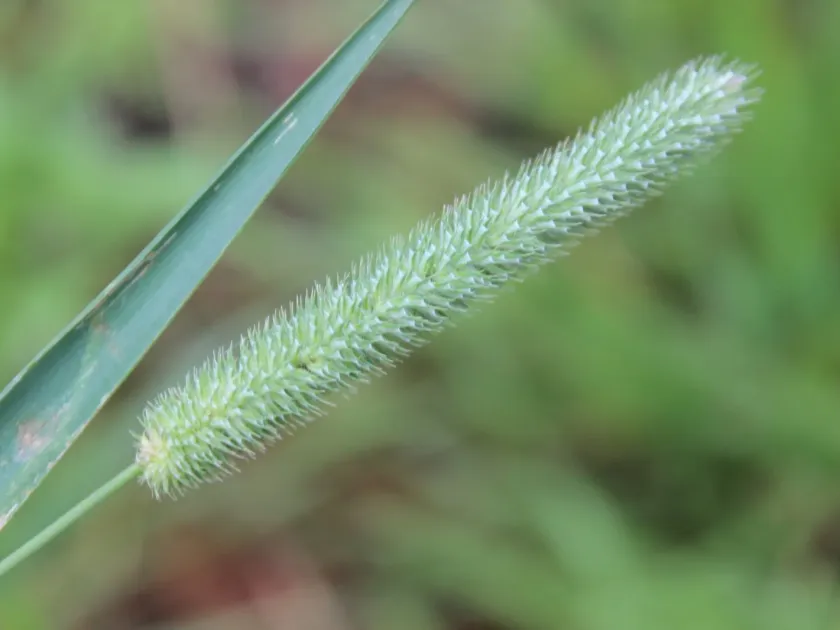
Description
Sowing dates
Tuberous Timothy (Phleum nodosum L.), belonging to the Poaceae family, is a valuable perennial grass typically used for grazing and fodder production.
Sowing should ideally occur in early spring when the soil temperature consistently reaches at least 5–8 degrees Celsius to promote uniform emergence.
Seeds must be shallowly sown at a depth of 1–2 centimeters, as deeper burial may lead to poor germination and failure of the delicate seedlings.
Rolling the field immediately after seeding is a critical step to ensure optimal soil contact, which accelerates moisture absorption and root anchorage.
For pasture development, it is commonly seeded in mixtures with legumes like white clover to enhance the nitrogen balance and nutritional value of the stand.
Growing requirements
The species thrives in moist, fertile loamy soils and exhibits significant tolerance to various environmental conditions, including cool temperatures.
While it handles short-term waterlogging well, it is sensitive to severe drought, which can significantly restrict its growth and cause premature senescence.
It prefers sunny locations, although it possesses moderate shade tolerance compared to other forage grasses, making it versatile for different landscapes.
The plant is known for its distinct bulbous swellings at the base of the stems, which act as energy reserves for winter survival and regrowth.
Maintaining soil pH in the range of 6.0 to 7.0 is recommended to ensure the bioavailability of essential nutrients needed for high forage output.
Yield
The productivity of Tuberous Timothy is high under managed grazing systems, where regular defoliation encourages dense tillering and stand rejuvenation.
Yields can reach 15–20 tons of fresh biomass per hectare annually, provided the field is adequately managed with nutrient applications and water availability.
The grass is highly prized for its rapid regrowth capacity, allowing for multiple grazings or cuts within a single growing season.
Nutritional quality is at its peak during the vegetative stage, making early management crucial for maximizing protein levels in the harvested forage.
With correct grazing management, a productive sward can persist for many years, providing a consistent feed source for various livestock categories.
Main diseases and pests
Rust diseases represent the primary pathological threat, particularly during periods of high atmospheric humidity and warm temperatures.
Powdery mildew may occur in dense, unventilated stands, leading to decreased forage palatability and overall weakened plant health.
Insect pests, such as grass flies, can damage the growing points and reduce the vigor of the plant, potentially lowering total biomass yields.
Integrated pest management, including balanced fertilization and timely harvesting, helps to reduce the prevalence and impact of these biotic stressors.
Chemical control should be used judiciously and only when thresholds are exceeded to protect the beneficial biodiversity within the pasture ecosystem.
Harvesting
Grazing is the most common utilization method, as the species is highly resistant to trampling and recovers quickly from animal hoof pressure.
When intended for hay production, it should be harvested before the full heading stage to maintain the best leaf-to-stem ratio and energy content.
Cutting height is of paramount importance; keeping the stubble at 5–7 centimeters protects the crown and allows the plant to regenerate effectively.
Proper curing of hay is essential to prevent leaf shatter, as the leaves contain the majority of the nutrients and digestible components.
Seed harvest is typically performed when the spikes transition to a pale straw color, indicating physiological maturity and full grain development.