
Scarlet runner bean
Phaseolus coccineus L. subsp. Coccineus
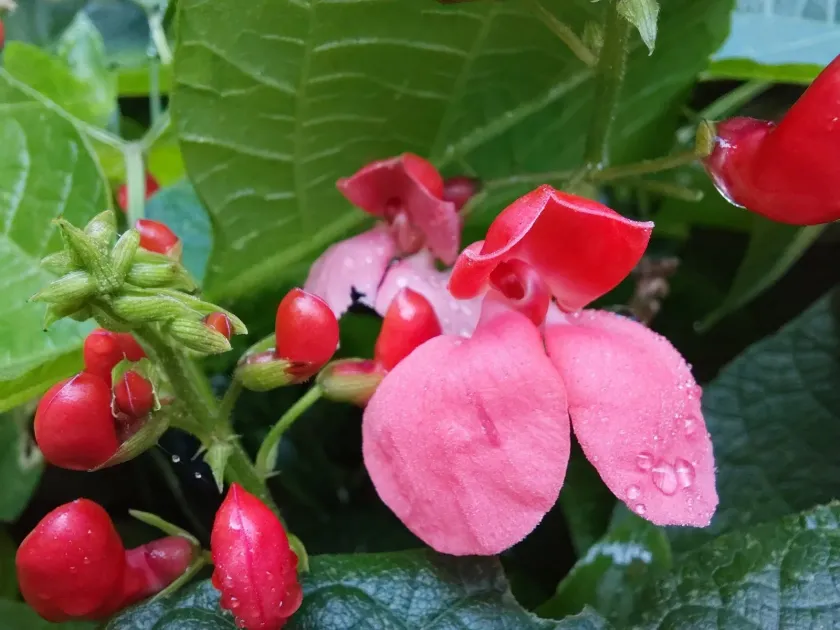
Description
Sowing dates
The Scarlet runner bean is a vigorous, climbing plant that requires a long frost-free season to produce a substantial harvest. Seeds should be sown directly into the ground only after the soil has warmed to at least 15°C, as the seeds are prone to rotting in cold, wet soil.
For gardeners in cooler climates, starting seeds indoors 3 to 4 weeks before the last frost date is highly recommended. Use deep peat pots or biodegradable containers to minimize root disturbance during the transplanting process.
Plant the seeds 3 to 5 cm deep in well-drained, fertile soil. Space plants approximately 25 to 30 cm apart along a sturdy trellis or fence, as these plants can grow vines up to 4 meters long under optimal conditions.
Installation of supports must happen at the time of sowing or immediately after transplanting. Once the seedlings emerge, they quickly seek vertical support; failing to provide this will result in tangled, unproductive growth.
Ensure that the site selected for sowing receives full sun. While they can tolerate light partial shade, their productivity and flower density are significantly higher when they are fully exposed to direct sunlight throughout the day.
Growing requirements
Belonging to the Fabaceae family, this species is unique as it is a tender perennial in its native habitat, though commonly grown as an annual. It thrives in soils rich in organic matter that retain moisture but allow for excellent drainage.
The crop is highly sensitive to drought during the flowering and pod-set stages. Consistent irrigation is essential to prevent flower drop; however, waterlogging should be avoided to protect the root system from fungal pathogens.
Soil pH should ideally be neutral or slightly acidic. If your soil is highly alkaline or acidic, amending it with compost or agricultural lime before the growing season is a necessary step to ensure nutrient availability.
Providing a balanced fertilizer during the early vegetative phase helps establish a strong plant base. Avoid excessive nitrogen fertilizer, which encourages heavy foliage at the expense of bean pod production.
Mulching the soil surface around the base of the plants helps maintain soil moisture levels and suppresses weed competition. A layer of straw or wood chips is ideal for keeping the root environment cool and moist.
Yield
Scarlet runner beans are exceptionally productive compared to common bush beans. Their ability to set pods continuously throughout the season makes them a favorite for home gardens and small-scale commercial production.
High yields depend largely on pollination. The bright red flowers are highly attractive to bees and hummingbirds, which are the primary pollinators. A lack of insect activity during the flowering phase can lead to poor pod set.
Harvesting pods regularly is the most effective way to keep the plant producing. When pods are picked at the "green bean" stage, the plant is signaled to continue creating new blooms rather than investing energy into seed maturation.
In optimal conditions, a well-managed row of scarlet runner beans can yield several kilograms of fresh pods per meter of trellis. Productivity is often highest in the mid-to-late summer period when day lengths are optimal.
For those interested in dry bean production, allowing pods to mature fully on the vine results in large, ornamental seeds that are excellent for both culinary use and saving for the following year's crop.
Main diseases and pests
Anthracnose is a primary fungal disease affecting this crop, manifesting as dark, sunken spots on stems and leaves. Proper spacing and airflow are the most effective preventative measures against this disease.
Spider mites are common pests that thrive in hot, dry weather. They feed on the underside of leaves, causing yellowing and webbing. Regularly rinsing the foliage with water can help keep mite populations in check.
Slugs and snails are particularly problematic for young seedlings. Implementing physical barriers like copper tape or crushed eggshells, or using organic baits, is often necessary during the early stages of growth.
Root rot occurs in heavy or poorly drained soils. To mitigate this risk, gardeners should focus on soil structure improvement and avoid overhead watering that keeps the base of the plant constantly wet.
Aphids can transmit mosaic viruses, which cause distorted, stunted leaf growth. Monitoring the plants regularly for clusters of aphids and using insecticidal soaps can prevent the spread of these viral infections.
Harvesting
Harvesting for fresh consumption should occur when the pods are 10 to 15 cm long and still plump. At this stage, the pods are tender and free of stringiness, making them ideal for steaming or stir-frying.
Use garden scissors or snips to remove the pods from the vine. Pulling them by hand can damage the fragile climbing stems and shorten the life of the plant, potentially reducing the total harvest.
When collecting seeds for storage, wait until the pods have turned brown and papery. If a hard frost is predicted, harvest the remaining pods and finish the drying process indoors in a warm, dry area with good airflow.
After shelling the seeds, ensure they are thoroughly dried before sealing them in containers. Stored seeds should be kept in a cool, dark, and dry environment to maintain high germination rates for future seasons.
Any remaining plant matter at the end of the season can be added to the compost pile. Since these are legumes, the roots contain nitrogen-fixing nodules that contribute valuable nutrients to your compost heap.