
Tepary bean
Phaseolus acutifolius A. Gray
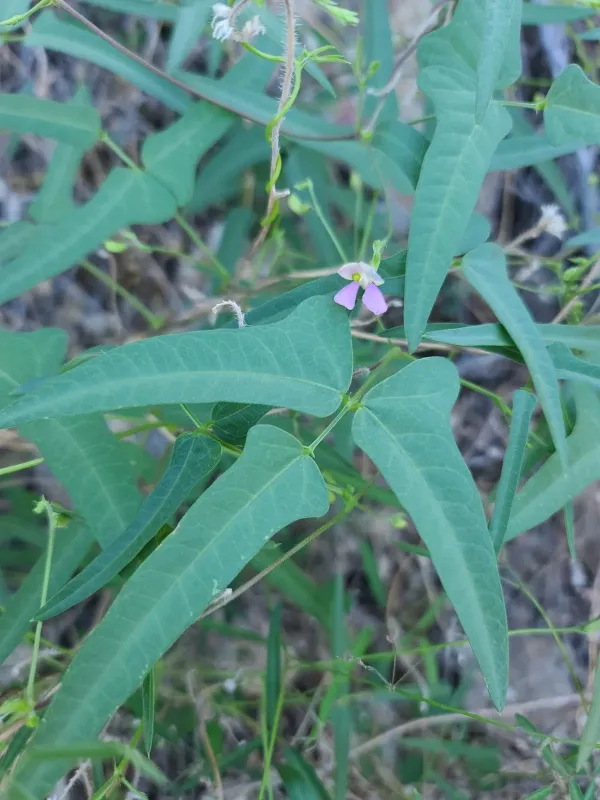
Description
Sowing dates
The tepary bean (Phaseolus acutifolius) is a heat-loving crop that requires soil temperatures above 15–18°C to germinate successfully. Sowing should only occur once the risk of spring frosts has completely passed.
Optimal planting occurs during periods of stable, warm weather. As the crop is sensitive to photoperiod, timing the sowing to align with the regional growing season is essential for maximizing yield potential.
Seeds should be planted at a depth of 3–5 cm, with appropriate spacing of 10–15 cm between plants to ensure adequate airflow and reduce competition for soil resources.
High-quality, disease-free seed is crucial for uniform emergence. While not strictly required, uniform seed sizing can contribute to a more predictable stand establishment across the field.
Given the rapid early-season growth habit of tepary beans, they are generally successful in outcompeting weeds if the row spacing is properly managed to allow for canopy closure.
Growing requirements
Originating from the arid regions of Mexico and the Southwestern United States, the tepary bean is renowned for its exceptional drought tolerance. It is one of the most efficient water-using legumes available to farmers.
The crop thrives in well-drained, sandy to loamy soils. Excessive soil moisture or poor drainage can lead to root rot, making site selection critical for maximizing plant health and vigor.
Tepary beans exhibit high tolerance to saline soil conditions, making them a suitable candidate for cultivation in areas with poor water quality. Soil pH levels ranging from 6.0 to 7.5 are considered ideal.
Intense solar radiation is beneficial for the development of flowers and pods. The plant is highly adapted to extreme heat, often exceeding 35°C, by utilizing its morphological characteristics to minimize transpiration.
Proper soil preparation, including moisture retention techniques, allows the crop to utilize deep moisture, reducing the reliance on frequent supplemental irrigation during the peak summer months.
Yield
Yields of tepary beans are remarkably stable even under unfavorable environmental conditions. Typically, farmers can expect between 1.5 to 2.5 tonnes per hectare, depending on moisture availability and variety.
Inoculation with nitrogen-fixing bacteria is highly recommended to enhance plant vigor and grain protein content. This practice also reduces the necessity for nitrogenous fertilizer application.
The plant possesses a unique mechanism where it may shed excess flowers during extreme temperature stress to protect the remaining crop, ensuring that a viable yield is produced even in harsh seasons.
Management of planting density is vital, as overly dense stands can negatively affect pod set and overall yield. Tailoring plant population to local moisture availability is a key management strategy.
Due to its biological plasticity, the tepary bean provides a reliable yield in regions where other legumes might fail, making it a critical crop for food security in arid agricultural environments.
Main diseases and pests
Common threats to tepary beans include fungal infections, such as bacterial blight and anthracnose, which thrive in conditions of high humidity or poor airflow during the growing season.
Insect pests, specifically the bean weevil, are a primary concern for both field production and post-harvest storage. Aphids and spider mites may also become problematic during prolonged hot and dry spells.
Integrated Pest Management (IPM) strategies, including crop rotation and the use of resistant varieties, are essential for controlling disease and pest pressures without excessive chemical input.
Monitoring field conditions regularly helps in detecting outbreaks early. Removing infected plant debris and controlling weeds helps minimize the reservoir for spores and pest populations.
Warehouse sanitation is critical to prevent the carry-over of pests between seasons. Using clean, sealed storage containers significantly reduces the risk of post-harvest loss due to weevil infestation.
Harvesting
Harvesting should commence once the pods have dried completely and the seeds have reached their mature, hardened state. Careful timing is necessary to prevent pre-harvest seed shattering.
Mechanical harvesting is feasible using standardized grain combines. Adjusting drum speeds is crucial to prevent the splitting or cracking of the relatively small and delicate tepary bean seeds.
Post-harvest moisture management is essential; seeds must be dried to 12–14% moisture content to ensure long-term stability and to prevent the development of mold and mycotoxins.
Stored seeds should be kept in cool, dry, and well-ventilated conditions. Periodic checking for signs of pest activity or moisture buildup helps ensure the quality of the product throughout the storage period.
Tepary beans are highly valued for their nutritional profile, including high fiber and antioxidant content, making careful handling from field to storage a priority for maintaining market quality.