
Serradella
Ornithopus sativus Brot.
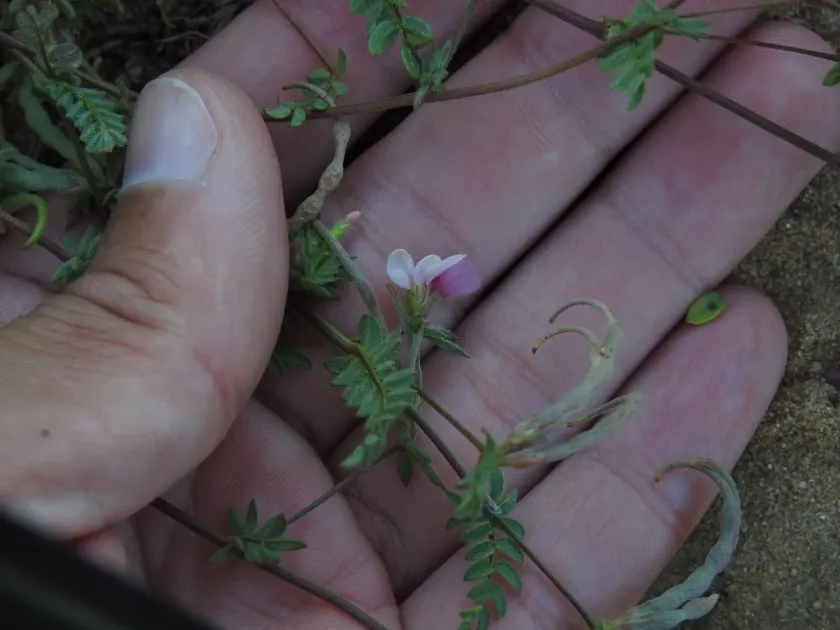
Description
Sowing dates
Serradella (Ornithopus sativus) belongs to the Fabaceae family and is a valuable annual forage legume. Sowing is typically carried out in early spring as soon as the soil temperature reaches 5–8 degrees Celsius, ensuring optimal conditions for early germination.
The seeding rate is approximately 15–20 kilograms per hectare. Because the seeds are very small, it is critical to sow them at a shallow depth of 1 to 2 centimeters to ensure even emergence and high density of the plant population.
This crop grows rapidly and is often used in mixtures with oats or other cereals. These combinations help stabilize the stand, increase biomass, and effectively suppress weed growth during the early growth stages.
As a green manure crop, it can be sown during the summer months after harvesting main cereal crops. This practice significantly improves soil structure and boosts nitrogen levels through its symbiotic relationship with nitrogen-fixing bacteria.
Early spring sowing allows the plants to establish a deep root system before the onset of drier summer weather, which is essential for ensuring crop resilience and high productivity throughout the growing season.
Growing requirements
Serradella is known for its ability to thrive on poor, sandy, and light-textured soils where other legumes might struggle. It is remarkably tolerant of acidic soil conditions, making it an excellent choice for improving degraded or marginal agricultural land.
The plant possesses high drought resistance, allowing it to maintain growth during periods of limited rainfall. Its deep root system enables it to efficiently extract moisture from the deeper layers of the soil profile.
As a sun-loving species, serradella performs best in open, well-lit fields. While it is adaptable, excessive shading from neighboring crops or weeds can significantly reduce its photosynthetic capacity and overall biomass yield.
Serradella is hardy and capable of surviving light spring frosts, which makes it suitable for regions with shorter growing seasons or fluctuating spring temperatures in temperate climates.
For optimal nitrogen fixation, ensuring the presence of specific root-nodule bacteria is essential. When planting on new land, seed inoculation is highly recommended to kickstart the symbiotic process and maximize nutrient uptake.
Yield
The green biomass yield of serradella typically ranges from 150 to 250 quintals per hectare. Productivity is strongly influenced by soil quality and the timely application of standard agronomic practices, such as moisture management.
Hay yields are generally between 30 and 50 quintals per hectare. The crop maintains a high nutritional value and protein content even during the full flowering stage, making it a high-quality feed for livestock.
Seed production can be challenging due to the asynchronous ripening of pods. The average yield of seeds is approximately 5–8 quintals per hectare, requiring careful harvest timing to minimize shattering losses.
When used as a green manure, the crop facilitates a substantial input of organic matter into the soil. This improves the fertility for subsequent crops, providing a cost-effective alternative to synthetic nitrogen fertilizers.
While the plant is highly efficient, modest applications of phosphorus and potassium fertilizers on very nutrient-poor soils can significantly enhance total biomass and root development, leading to higher overall yields.
Main diseases and pests
Serradella generally shows good phytosanitary resistance, but root rots can occur in poorly drained, waterlogged conditions. Proper crop rotation and field selection are the primary measures for preventing these issues.
Pests, particularly nodule weevils, can occasionally cause damage to young seedlings. Early sowing and rapid initial growth are effective strategies for helping the plants bypass the most vulnerable growth phase.
Powdery mildew may develop in cases of high humidity and overcrowded planting. Ensuring proper spacing and airflow within the field helps maintain healthy plants and prevents the spread of fungal pathogens.
Aphids might appear during hot, dry spells, though they rarely cause significant economic damage to the crop. Monitoring is advised, but chemical intervention is seldom required for this robust species.
Weed competition is primarily a concern during the establishment phase. Once the plant forms a canopy, its dense growth effectively shades the soil, suppressing the majority of common weed species in the field.
Harvesting
Harvesting for green fodder should occur at the full flowering stage. This is the period when the plant provides the highest concentration of digestible protein and vitamins, maximizing its feed value for animals.
When producing hay, the crop should be mowed during dry weather. Due to the high leaf-to-stem ratio, gentle handling is necessary during raking and baling to prevent excessive leaf loss and nutrient degradation.
Harvesting for seed is performed when the majority of the pods have turned brown. A low-cut harvest is required to ensure that the lower, earlier-ripening seeds are captured alongside the rest of the crop.
Green manure is incorporated into the soil by tilling or plowing when the plants reach peak biomass but before the stems become overly fibrous, ensuring faster decomposition and nutrient release for the next crop.
Modern harvesting equipment, particularly mowers with excellent ground-following capabilities, is ideal for serradella. This allows for a clean harvest even if the crop has partially lodged due to its sprawling growth habit.