
Serradella
Ornithopus sativus Brot x Ornithopus compressus L.
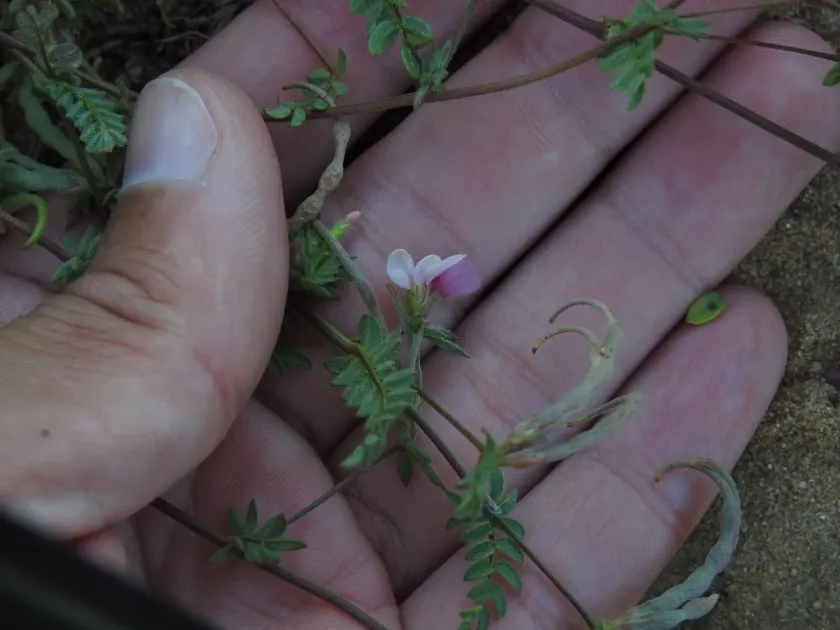
Description
Sowing dates
Serradella (Ornithopus sativus) is typically sown in early spring as soon as soil temperatures reach 8–10 degrees Celsius. Early planting allows the crop to utilize spring moisture effectively, which is crucial for establishing a robust biomass before the heat of summer.
The seeding rate ranges from 40 to 60 kg per hectare in pure stands. When included in forage mixtures, the rate is adjusted based on companion species, ensuring that the plant population is optimal for maximizing competition against weeds and overall yield.
Seeds should be sown at a shallow depth, typically 1 to 2 centimeters. Firming the soil after planting is essential to ensure adequate seed-to-soil contact, which promotes uniform germination, especially in lighter, sandier soil types where moisture management is key.
Drilling the seed in rows 15–20 cm apart is the most efficient method for establishing a solid stand. This spacing facilitates quick canopy closure, which effectively suppresses weed growth and reduces the need for manual or chemical intervention during the vegetative phase.
In regions with milder climates, late autumn or winter sowing can be considered to capture early spring growth. However, farmers must balance this against the risk of winter kill during sudden frost events, which can damage the tender seedlings.
Growing requirements
Serradella, a member of the Fabaceae family, is highly valued for its ability to thrive on poor, acidic, and sandy soils where other legumes might struggle. It relies on symbiotic nitrogen fixation, which improves soil fertility naturally.
The crop is drought-tolerant once established but requires sufficient moisture during the germination and initial growth stages. Consistent rainfall or controlled irrigation during early development significantly enhances the production of lush forage.
It prefers slightly acidic to neutral soils and is well-adapted to the light, sandy soils often found in temperate regions. It is highly sensitive to waterlogging, meaning fields must be well-drained to prevent root damage and ensure healthy bacterial activity.
Serradella requires full sun and does not perform well in shaded conditions. Avoid planting it as an understory crop or in areas heavily shaded by larger trees or dense cover crops to ensure optimal photosynthetic efficiency and biomass production.
While the plant is self-sufficient regarding nitrogen, applying potassium and phosphorus fertilizer can boost growth on nutrient-depleted sites. Proper soil analysis prior to planting helps determine if these additional inputs are necessary for maximum output.
Yield
Yields for serradella forage typically range from 15 to 25 tonnes of green mass per hectare, depending on soil quality and seasonal rainfall. Its high protein content makes it an excellent addition to livestock diets, either as fresh forage, hay, or silage.
When grown for seed, yields generally range between 500 and 1,000 kg per hectare. Precision during the harvest phase is vital, as the pods are prone to shattering if left on the field too long, leading to significant seed losses.
Serradella is known for its strong regrowth capacity after cutting, allowing for multiple harvests within a single growing season under favorable conditions. This trait makes it highly valuable for farmers seeking intensive forage production.
The highest nutritional quality is achieved when the crop is harvested during the flowering stage. Cutting at this time ensures a balanced ratio of proteins, minerals, and fibers, which is ideal for livestock nutrition and digestibility.
Incorporating serradella into a crop rotation cycle improves soil structure and organic matter content. This serves as a natural preparation for subsequent crops, often resulting in higher yields for following cereals or industrial plants.
Main diseases and pests
Serradella is generally resistant to many common agricultural pests, although it can occasionally be affected by weevils that damage tender leaves and growing tips, particularly during the early spring establishment period.
Fungal diseases like powdery mildew and various leaf spots are more prevalent in humid conditions or overly dense stands. Maintaining recommended seeding rates and ensuring good air circulation are the primary strategies to mitigate these risks.
Root rot can occur in fields with poor drainage or compacted soil, which inhibits root oxygenation. Careful site selection and the use of drainage systems are the best preventive measures to ensure the plant's long-term health.
Aphids may occasionally colonize the plants during hot, dry spells, feeding on sap and potentially reducing total biomass. Regular monitoring of the field allows for early detection and targeted management, prioritizing biological controls.
When management is necessary, it is advisable to use integrated pest management (IPM) practices, emphasizing biological agents over broad-spectrum chemicals. This approach preserves the environmental integrity of the field and the quality of the forage.
Harvesting
Harvesting for forage should take place during the peak flowering stage. This timing captures the optimal concentration of nutrients before the plant diverts its energy resources into seed production, ensuring maximum digestibility for livestock.
For high-quality hay, rapid drying is essential to prevent the loss of fine, nutrient-rich leaves. Using specialized hay-making equipment that minimizes leaf shattering helps maintain the overall protein profile and nutritional value of the bale.
Seed harvest requires careful timing; it should be performed when the majority of the pods have turned brown but before they become brittle. Direct combining is common, but it must be calibrated correctly to reduce mechanical impact and shattering.
A two-stage harvest approach, where the crop is mowed into windrows and left to dry before threshing, can be more effective for seed production. This method ensures more uniform drying and reduces seed moisture, making the final harvest more efficient.
Stored seeds must be kept in a cool, dry, and well-ventilated environment to maintain high germination viability. Proper moisture control in the storage facility is crucial for preventing spoilage and ensuring successful planting in the subsequent season.