
Compressed birdsfoot
Ornithopus compressus L.
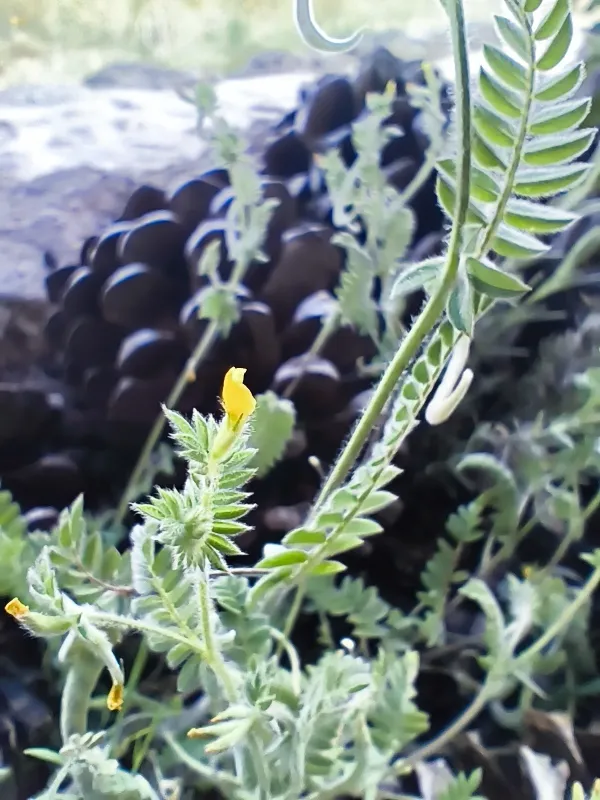
Description
Sowing dates
Compressed birdsfoot is an annual legume that is typically sown in early spring as soon as soil temperatures reach 5-8 degrees Celsius. Successful establishment requires adequate soil moisture, making timely sowing relative to the seasonal rainfall pattern critical for crop success.
In regions with mild winters, autumn sowing can be performed to allow the plants to utilize winter moisture and establish a deeper root system early in the season. Seed depth should be shallow, generally between 1 and 2 centimeters, to ensure proper emergence.
The recommended seeding rate varies, but typically ranges from 20 to 40 kg per hectare depending on the soil conditions and the method of sowing. Using a roller after seeding is highly recommended to improve soil-to-seed contact and ensure consistent germination rates.
As a legume, the seeds should be inoculated with the appropriate rhizobia bacteria before planting to ensure effective nitrogen fixation. Rotating with cereals or other non-legume crops is essential to reduce the pressure from soil-borne pathogens and weeds.
Once seedlings emerge, it is important to monitor for soil crusting. If necessary, light harrowing can be employed to improve aeration and support the development of the young plants, which are sensitive to poor soil structure during the early stages.
Growing requirements
Compressed birdsfoot thrives in light-textured, sandy, or loamy soils with good aeration. It is well-known for its ability to tolerate slightly acidic soil conditions, where it often outperforms other common forage legumes in terms of biomass production.
The crop is relatively drought-tolerant once established, making it a valuable addition to agricultural systems in Mediterranean-type climates. It prefers sunny locations and should not be planted under a dense canopy that would shade the developing plants.
Adequate levels of phosphorus and potassium are necessary to maximize growth, though nitrogen application is generally unnecessary due to the plant's symbiotic relationship with nitrogen-fixing bacteria. Soil pH should ideally be monitored, although the plant has a wide adaptation range.
Excessive moisture and waterlogging are detrimental to the root system and can lead to plant decline. Choosing well-drained slopes or elevated areas within a field helps to mitigate the risks associated with poor drainage during periods of heavy rainfall.
While the plant can grow in nutrient-poor soils, overall productivity is significantly higher in soils with moderate organic matter content. It acts as an excellent soil improver, leaving the land in a better condition for the subsequent crop in the rotation.
Yield
The biomass yield of compressed birdsfoot is typically between 15 and 25 tonnes per hectare, depending on local environmental conditions and soil fertility. It produces high-quality, palatable forage that is rich in proteins and suitable for various livestock.
The protein content in the dry matter often reaches 18-20 percent, providing a nutritious feed source that is easily digested by ruminants. Its ability to provide green feed during periods when other grasses might be dormant makes it highly valued in grazing systems.
Seed production can be variable, requiring careful management during the maturation phase. Fields intended for seed harvesting should be managed to ensure uniform maturity, which simplifies the harvest process and minimizes losses in the field.
As a green manure crop, it significantly enhances soil fertility by contributing both biomass and organic nitrogen. This practice leads to measurable improvements in soil structure and productivity for future harvests in the crop rotation sequence.
Its persistence in a pasture system is often supported by self-seeding, provided that the grazing pressure is managed to allow the plants to complete their reproductive cycle. This makes it an economical choice for long-term pasture maintenance.
Main diseases and pests
Fungal diseases, including various types of root rots and anthracnose, are the primary threats, particularly in high-humidity environments. Implementing a diverse crop rotation is the most effective preventative measure against the buildup of these pathogens.
Pests such as weevils can cause significant damage to seedlings and young leaves. Integrated pest management strategies, including the use of trap crops or timely insecticide application, should be employed if infestation levels threaten the overall crop stand.
Aphids can also impact plant health by feeding on young succulent tissues, which results in stunted growth and leaf deformation. Regular scouting of the fields is essential to detect pest outbreaks before they lead to extensive crop damage.
Poor soil management leading to compaction is a major risk factor for root diseases. Ensuring that the soil remains well-aerated through careful machinery management and proper drainage is crucial for sustaining the health of the birdsfoot population.
Competition from aggressive weeds during the early establishment phase can severely restrict the growth of compressed birdsfoot. Controlling weeds prior to planting and choosing clean fields are essential steps for a successful crop cycle.
Harvesting
Harvesting for green fodder is most productive when the plants are in full bloom, ensuring the best balance between biomass quantity and protein content. Cutting at this stage provides the highest quality feed for livestock.
When harvesting for hay, the forage should be wilted in the field before being raked. Using a mower-conditioner can speed up the drying process, helping to preserve the leaves and nutritional value that are often lost during slow drying.
Seed harvesting is best performed using a two-stage method: mowing and windrowing first, followed by combining once the seeds have reached full maturity. This prevents the pods from shattering and losing seeds on the field floor.
When used as a green manure, the crop should be incorporated into the soil during the early flowering phase. This timing ensures that the maximum amount of organic nitrogen is available for rapid mineralization and uptake by the following crop.
Maintenance of the harvesting equipment is vital to ensure that seeds are not damaged during the threshing process. Proper calibration of the combine prevents excessive breakage, which is critical for maintaining high germination rates for future planting seasons.