
Sensitive plant
Mimosa sensitiva L.
Description
Growing requirements
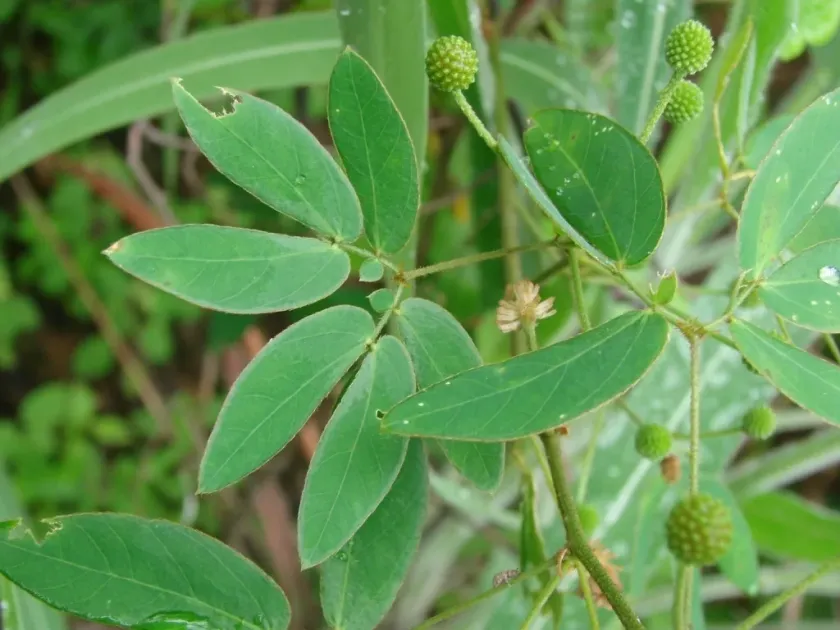
Sensitive plant (Mimosa sensitiva L.) belongs to the Fabaceae family. It is a perennial herbaceous plant native to the tropical regions of South America, known for its distinct physiological responses.
The crop requires fertile, well-draining soil with a slightly acidic to neutral pH level. It thrives in high-humidity environments, which is essential for maintaining the health of its delicate foliage and stems.
Botanically, the plant is characterized by its seismonastic movements. When the leaves are touched or shaken, the plant rapidly folds them, a mechanism believed to be an evolutionary defense against herbivores.
Temperature management is crucial for this species. It performs best in stable temperatures between 20°C and 25°C and must be protected from cold drafts and direct, intense afternoon sunlight.
The plant is primarily utilized in horticulture for its unique biological properties. It serves as an educational specimen in botanical gardens and a research subject for studying plant signaling and rapid movement.
Main diseases and pests
Common pests include spider mites, which thrive in low-humidity environments. They cause yellowing of the leaves and can lead to severe structural damage if not managed early.
Mealybugs are another frequent threat, clustering in the joints of the stems and leaves, extracting nutrients and weakening the plant's overall development.
Root rot is the most serious disease, typically caused by overwatering or poor drainage. Once root pathogens establish themselves, they are difficult to eliminate without damaging the plant.
Integrated pest management, including regular inspection and the application of mild horticultural oils or soaps, is recommended to keep the plant in optimal condition.
Maintaining a stable environment is the best defense against pests and diseases, as the sensitive plant quickly shows signs of stress when subjected to fluctuating conditions.