
Black medic
Medicago lupulina L.
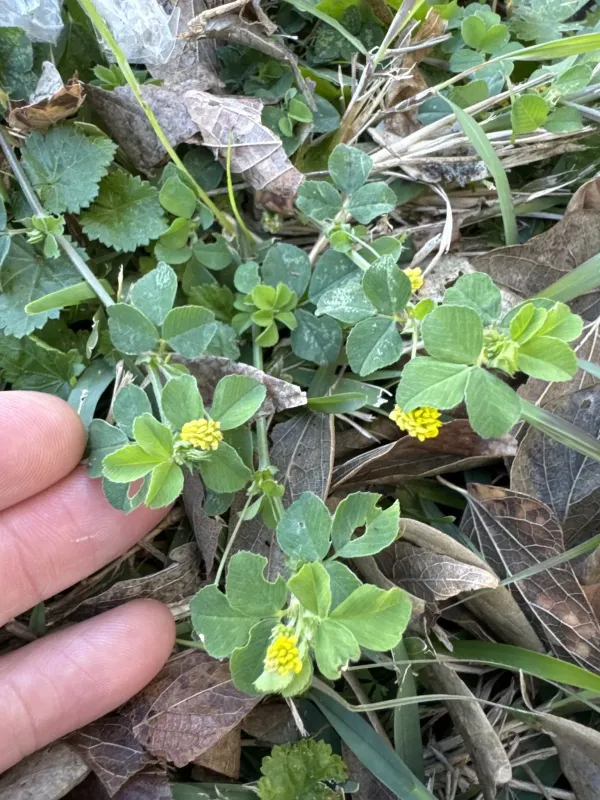
Description
Sowing dates
Black medic (Medicago lupulina L.) is a valuable member of the legume family, often utilized as a forage crop or as a cover plant to enhance soil quality.
The optimal time for sowing is during early spring, allowing the seeds to germinate when soil moisture is sufficient to support initial establishment and deep root development.
Sowing rates should be determined based on the intended use, typically ranging from 8 to 15 kg/ha, ensuring even distribution across the field to prevent weed competition.
The seeds should be sown at a shallow depth of approximately 0.5 to 1 cm, as they are small and possess limited energy reserves to emerge from deeper soil layers.
A cultipacker or roller should be used immediately after seeding to ensure firm soil-to-seed contact, which significantly improves the germination rate in drier conditions.
Growing requirements
Black medic is highly adaptable to various soil types, including sandy, loamy, and slightly acidic soils where other common legumes might struggle to survive.
The plant exhibits remarkable drought tolerance due to its deep taproot, which allows it to access water deep within the soil profile during dry summer months.
It prefers sunny conditions and does not compete well in highly shaded environments, making it ideal for open pastures, roadsides, and managed crop field borders.
This species is well-known for its nitrogen-fixing capabilities, forming symbiotic relationships with bacteria to enhance soil fertility without heavy fertilizer inputs.
It is winter-hardy and can overwinter in many temperate regions, making it a reliable choice for long-term pasture mixes or as a component of sustainable cropping systems.
Yield
The forage yield varies depending on the fertility level and rainfall, typically producing around 15 to 25 tonnes of green mass per hectare in optimal seasons.
Its high protein content makes it an excellent source of nutrition for livestock, often comparable to other higher-yielding but more demanding legume varieties.
When managed for seed production, the crop can yield significant quantities, with modern agricultural techniques enabling efficient harvesting and processing of clean seed lots.
The regrowth potential after grazing or mowing is high, allowing for multiple harvest cycles if the plant is not stressed by excessive moisture or extreme heat.
As a pasture component, it provides consistent high-quality forage that improves the overall health and weight gain of grazing animals throughout the growing season.
Main diseases and pests
Like many legumes, black medic is susceptible to fungal diseases such as powdery mildew, especially when environmental conditions include high humidity and poor air circulation.
Pests like the clover leaf weevil can cause damage to the foliage, necessitating regular field scouting and, if necessary, the application of appropriate control measures.
Root rot pathogens may become an issue in poorly drained fields; therefore, selecting sites with good soil structure is crucial for maintaining a healthy and productive stand.
Maintaining a balanced crop rotation is the best cultural practice to prevent the buildup of soil-borne pathogens and to disrupt the life cycles of common plant pests.
In cases of severe infestation, using certified, clean seeds and applying recommended biopesticides or chemical treatments can help protect the crop's yield potential.
Harvesting
Harvesting for forage should take place when the plant is in the flowering stage, as this is when the nutritional value, specifically protein and minerals, is at its peak.
For seed collection, the harvest must be timed precisely when the majority of pods turn dark brown, indicating maturity and ensuring maximum yield of viable seeds.
Proper drying is essential after mowing; using hay tedders or rakes helps move air through the forage, reducing the moisture content to stable storage levels.
Storing the harvested material in a cool, dry place prevents molding and helps retain the vitamin content, which is vital for high-quality animal feed during winter.
Efficient combine harvesting of seed crops requires careful adjustment of air and sieve settings to account for the small size and light weight of the black medic seeds.