
Medicago truncatula
Medicago truncatula x Medicago littoralis
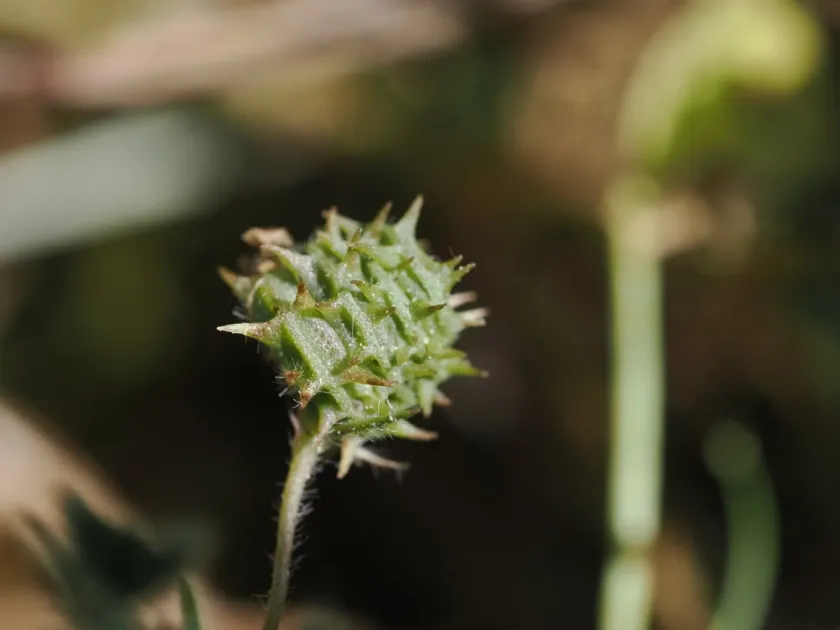
Description
Sowing dates
Medicago truncatula, commonly known as barrel medic, is a self-pollinating annual legume widely used as a model organism in plant science and as a forage crop. Sowing is typically carried out in autumn or early spring to capitalize on favorable moisture levels for germination.
The seeds have a hard seed coat that requires scarification to break dormancy and ensure uniform emergence. Field preparation must be meticulous, resulting in a firm, level seedbed that promotes good soil-to-seed contact and prevents desiccation.
Sowing density depends on the intended use; higher rates are often employed for green manure production to achieve maximum biomass accumulation. Standard agricultural drills are used to place the seeds at a shallow depth of approximately 1 to 2 centimeters.
Inoculation with specific Sinorhizobium meliloti strains is essential for effective nitrogen fixation. This symbiotic relationship provides the nitrogen necessary for optimal growth, especially in soils with low fertility levels.
Post-sowing management includes light rolling to ensure the seeds are properly covered by soil. If conditions are dry, supplemental irrigation may be necessary to support the initial establishment of the seedling stand.
Growing requirements
This crop thrives in well-drained, neutral to slightly alkaline soils, including calcareous substrates. It exhibits remarkable drought tolerance, making it an excellent candidate for regions with limited rainfall and Mediterranean-like climatic conditions.
Exposure to full sunlight is critical, as Medicago truncatula does not tolerate shading from competing weeds or taller crops. Adequate solar radiation ensures the plant reaches its full potential for biomass production and seed set.
While tolerant to a variety of soil types, the plant avoids waterlogged environments where root respiration is compromised. Proper soil structure is necessary to allow deep root penetration, which is characteristic of the Medicago genus.
Nutrient requirements are modest regarding nitrogen, thanks to the plant's ability to fix atmospheric nitrogen. However, the application of phosphorus can significantly improve root development and overall plant vitality in deficient soils.
The optimal thermal regime for growth lies between 15 and 25 degrees Celsius. While it can withstand moderate cool spells, sustained frost can cause significant damage, particularly to the tender growth stages of the plant.
Main diseases and pests
Fungal diseases, such as leaf spot (Phoma medicaginis) and powdery mildew, are the most frequent health issues encountered during wet seasons. Crop rotation and maintaining optimal plant density are key strategies to mitigate these risks.
Insect pests, including aphids and various species of weevils, can cause significant damage by feeding on foliage or developing buds. Integrated pest management (IPM) practices, including biological control and monitoring, are recommended.
Root rot pathogens, particularly in poorly drained soils, can lead to widespread crop failure. Ensuring proper drainage and avoiding excess nitrogen in the soil can reduce the incidence of these root-infecting fungi.
Weed competition is particularly detrimental during the first weeks after germination. The use of pre-emergent strategies or selective mechanical weeding is often required to ensure that the legumes can establish a dominant canopy.
Effective management also involves monitoring for nutrient deficiencies that might predispose the plants to infections. Maintaining a balanced soil profile helps ensure the crop remains robust enough to resist common field pathogens.