
Medicago littoralis
Medicago littoralis Rohde ex Loisel.
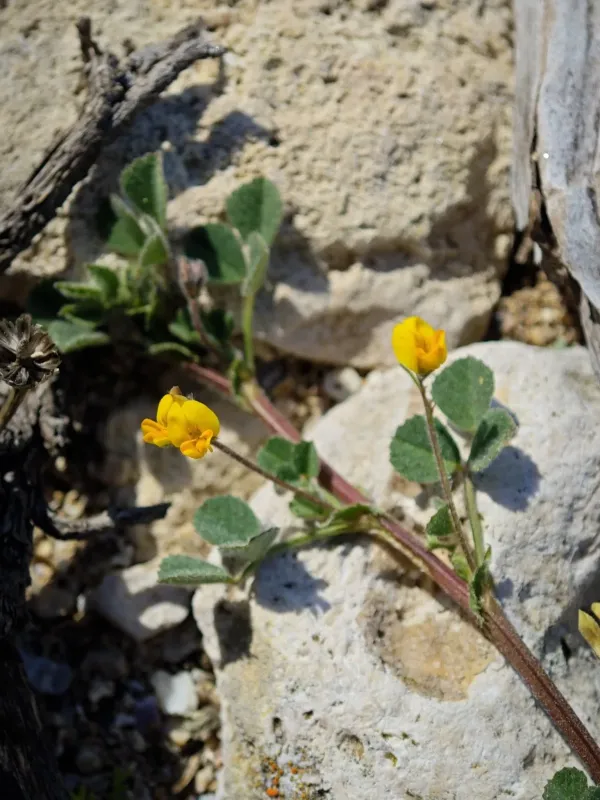
Description
Sowing dates
Medicago littoralis is an annual herbaceous plant, meaning its cultivation cycle relies on annual seeding. The optimal time for sowing is early spring, once soil temperatures reach 8–10 degrees Celsius, ensuring uniform germination across the field.
Preparation of the field requires deep plowing followed by thorough surface leveling. Seeds should be planted at a depth of no more than 2–3 centimeters, which is critical for the small-seeded nature of this leguminous species.
Seeding rates depend on soil fertility and the intended use: higher rates are recommended for pure forage stands, whereas lower rates are sufficient when included in complex pasture mixtures.
In regions with mild climates, late-autumn sowing is sometimes practiced to take advantage of winter moisture reserves. This approach allows for rapid vegetative growth as soon as the warmer spring temperatures arrive.
To improve germination energy, seed scarification is often performed to break down the dense seed coat. This mechanical process significantly enhances field emergence and ensures a more vigorous initial growth phase.
Growing requirements
This species belongs to the Fabaceae family and has evolved to thrive in coastal environments, exhibiting significant salt tolerance. It performs best in light, sandy, or loamy soils that provide excellent aeration and drainage.
Medicago littoralis is highly photophilous and requires full sun for optimal development, making shaded areas unsuitable. It is well-adapted to the intermittent droughts common in Mediterranean-type climates.
The ideal soil pH for this crop ranges from neutral to slightly alkaline. It is essential to avoid sites with poor drainage or high water tables, as the root system is sensitive to waterlogging and poor soil oxygenation.
Agronomic management includes phosphorus and potassium fertilization to stimulate growth. As a legume, it performs nitrogen fixation through symbiosis, minimizing the need for additional synthetic nitrogen applications.
The crop is highly effective on soils with low nutrient content, where other species might fail to produce sufficient biomass. Its root structure is beneficial for stabilizing loose soil on coastal slopes, helping to prevent erosion.
Yield
The primary use of Medicago littoralis is the production of high-protein green fodder and hay. It serves as a valuable component in the diet of livestock, providing essential nutrients and vitamins for growth and health.
Biomass yield depends heavily on climatic conditions and available moisture during critical growth phases. With proper management, the crop can provide several harvests within a single growing season.
Its high regeneration capacity after grazing makes it a promising species for establishing managed pastures. It is palatable to livestock, contributing to overall productivity in animal husbandry operations.
Seed harvesting is a vital component of the production cycle to ensure sufficient material for subsequent seasons. Monitoring pod maturation is necessary to prevent significant harvest losses due to pod shattering.
Total yield is also determined by the intensity of land use. Implementing appropriate rest periods between grazing or mowing cycles helps maintain the productivity and longevity of the stand.
Main diseases and pests
The main threats to Medicago littoralis include fungal diseases, such as powdery mildew and various leaf spots. These are most prevalent in conditions with high humidity and poor air circulation within the canopy.
Pests like weevils can cause significant damage to the crop, affecting both foliage and reproductive organs. This necessitates regular field scouting during the active growing season to detect and address infestations early.
To prevent disease outbreaks, crop rotation and field isolation are recommended. Avoiding the continuous cultivation of legumes on the same site for extended periods helps reduce the build-up of soil-borne pathogens.
Pest management should focus on biological and cultural methods to ensure the safety of the forage. Regular mowing can also help remove infected plant material, effectively sanitizing the field environment.
Healthy, well-nourished plants show higher resistance to pest damage than stressed ones. Therefore, maintaining optimal mineral nutrition and water management is the most effective proactive defense against common threats.
Harvesting
Hay harvesting should occur during the full bloom phase, which is when the plant reaches its peak nutritional value. Delaying the harvest leads to stem lignification and a significant reduction in biomass protein content.
Drying is best achieved through windrowing with periodic turning to preserve leaf quality and color. The moisture content of the final hay product should be below 17% to ensure safe and stable storage without spoilage.
When used for grazing, it is essential to manage stocking rates effectively. Overgrazing should be avoided to prevent soil exposure and exhaustion of the root system, which would hinder recovery and regrowth.
Seed harvesting is carried out with combines during dry weather once the pods have turned brown. Quick harvesting reduces potential losses from seeds shattering and falling onto the soil.
Post-harvest processing involves cleaning and drying the seeds to reach standard moisture levels. Proper storage in cool, dry conditions ensures that seed quality is maintained until the next planting season.