
Italian medic
Medicago italica (Mill.) Fiori
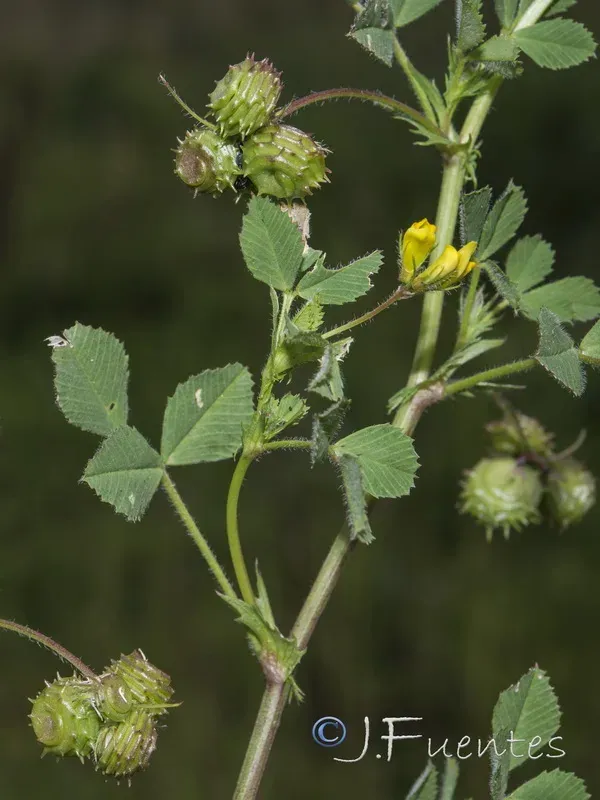
Description
Sowing dates
Italian medic (Medicago italica) is an annual leguminous plant that is widely valued in forage systems for its ability to provide high-quality grazing material and improve soil nitrogen levels.
The sowing process typically occurs in autumn or early spring, targeting periods when soil temperatures are conducive to rapid germination and early root development.
Precise seed depth is critical; seeds should be planted no deeper than 2 cm to ensure that the small seedlings can emerge successfully and establish a robust root system quickly.
Seedbed preparation requires a fine, firm tilth to facilitate uniform germination, which helps the crop establish a dense canopy that suppresses weeds effectively during the growth cycle.
Depending on local environmental conditions, farmers can adjust seeding rates to optimize the density of the stand, ensuring that the crop competes well against invasive species in pasture environments.
Growing requirements
This crop thrives in Mediterranean-type climates, preferring sunny locations and well-drained soils that prevent waterlogging, which can be detrimental to the plant's root system.
Medicago italica shows a preference for neutral to slightly alkaline soils, although it is adaptable to various soil textures, including sandy loams and silt-rich substrates.
While the plant is moderately drought-tolerant, consistent moisture during the vegetative phase is essential to maximize forage biomass and ensure the plant reaches its full potential.
Nutritional requirements are relatively modest due to the plant's capacity for symbiotic nitrogen fixation, which contributes significantly to the health of the agroecosystem.
Good soil aeration is vital for the development of root nodules, which host beneficial bacteria responsible for converting atmospheric nitrogen into a form available for plant uptake.
Main diseases and pests
Pests such as aphids and various weevil species can cause significant damage to the foliage and buds, potentially reducing both the nutritive value and overall yield of the crop.
Fungal diseases like powdery mildew are common in humid conditions, requiring close monitoring and timely management to prevent rapid spread across the field during the growing season.
Root rot and crown diseases may occur if the soil is consistently over-saturated, making proper drainage and field site selection key preventative measures in agricultural practice.
Integrated pest management strategies are recommended, focusing on maintaining crop vigor through balanced nutrition and avoiding overcrowding of plants within the stand.
Biological controls and the use of resistant varieties, where available, serve as effective tools to mitigate the impact of disease and insect pressure on Italian medic production.
Harvesting
Italian medic is primarily used for forage, providing an excellent source of protein and essential nutrients for livestock, particularly during seasons when grass growth is limited.
For optimal nutritional quality, harvesting should occur during the late vegetative stage or early flowering, which ensures a high leaf-to-stem ratio and better digestibility for animals.
In grazing systems, rotational grazing is recommended to ensure that the plants have adequate recovery time, which promotes longevity of the stand and sustainable forage production.
When intended for hay production, careful management during the drying process is required to preserve the nutrient-rich leaves, which are prone to shattering if handled too roughly.
Beyond forage, the plant acts as a valuable green manure crop, leaving behind a nitrogen-rich residue that benefits subsequent cereal crops in the rotation cycle.