
Moon trefoil
Medicago arborea L.
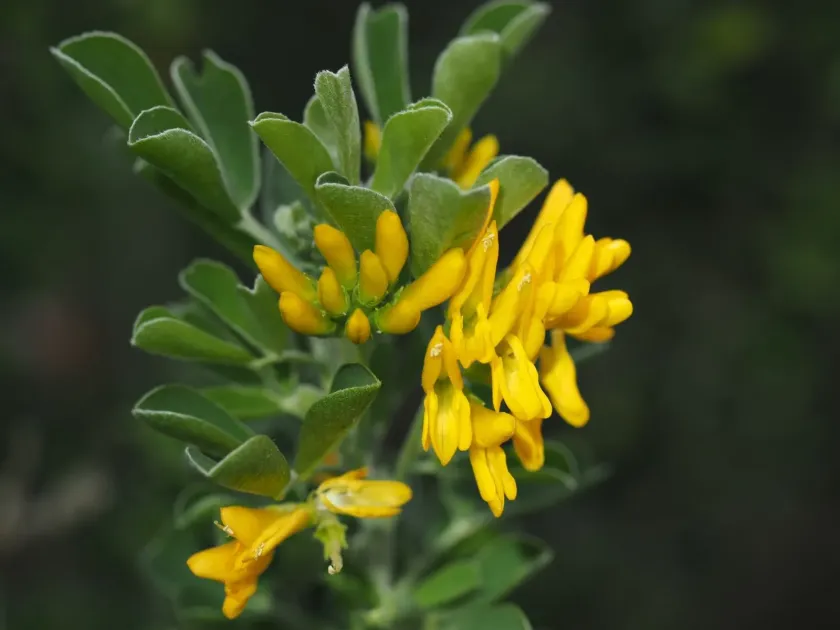
Description
Sowing dates
Moon trefoil (Medicago arborea L.) is a perennial evergreen shrub belonging to the Fabaceae family. It is recognized for its woody structure and ability to thrive in Mediterranean-like conditions.
Propagation is typically achieved through seeds, which are best sown in the spring. Scarification is highly recommended before planting to break the seed dormancy and ensure uniform germination rates.
For more controlled environments, starting the plants in nursery containers is preferred. Seedlings can be transplanted to the permanent site once the root system has matured sufficiently.
Spacing requirements vary depending on the end goal. When established as a forage field, rows are kept wide enough to allow for mechanical harvesting and optimal sunlight penetration.
Establishing the crop requires careful preparation of the seedbed. The soil should be loose and free from persistent weeds to minimize competition during the early stages of plant growth.
Growing requirements
This species is highly adapted to sunny, Mediterranean environments. It requires full sun exposure to maintain its vigorous growth and produce dense, healthy foliage throughout the season.
Soil drainage is the most critical factor for success. Moon trefoil thrives in alkaline, calcareous soils and will suffer significantly in heavy or waterlogged clay environments.
The plant is famously drought-tolerant. Once the root system is established, it requires minimal supplemental irrigation, making it an excellent choice for arid or semi-arid land management.
It has the ability to fix nitrogen through a symbiotic relationship with soil bacteria. This characteristic makes it a valuable plant for soil restoration and improving fertility in degraded areas.
Temperature sensitivity is a limiting factor for its cultivation. While it can handle mild frosts, extended periods of extreme cold can cause dieback, requiring pruning to remove damaged wood.
Yield
Moon trefoil is valued primarily for its high-protein forage potential. While not as intensive as herbaceous alfalfa, it provides reliable greenery during summer droughts when other grasses fail.
The foliage is highly palatable to livestock, particularly goats and sheep, who naturally browse on woody legumes. Proper grazing management is essential to ensure long-term plant health.
Sustainable harvesting involves cutting back the plant annually. This process stimulates fresh growth and ensures a higher yield of high-quality leaf matter for the following season.
Biomass production is highest when the plant is managed in a controlled silvopasture system, where the legume serves both as a food source and as a structure for other vegetation.
In addition to forage, the yield includes high nectar production, making the plant an excellent asset for apiculture, as it supports honey bee populations throughout the flowering period.
Main diseases and pests
Root rot is the most common threat when the plant is grown in unfavorable, waterlogged soil. Proper site selection is the primary defense against this destructive condition.
Insect pests like the alfalfa weevil may target the foliage, especially during warm springs. Integrated pest management (IPM) is advised to keep populations below economic damage levels.
Fungal diseases, such as powdery mildew, can manifest in areas with poor air circulation. Thinning out the shrub canopy helps reduce humidity and limits the spread of these pathogens.
Aphids can cause stunted growth on young, succulent shoots. Regular inspection of the plant tips during the peak growing season is necessary for effective early intervention.
Winter damage is a significant risk in northern latitudes. If the shrub is subjected to severe freezing, the wood can split, creating entry points for opportunistic bacterial and fungal infections.