
Barrel medic
Medicago truncatula Gaertn.
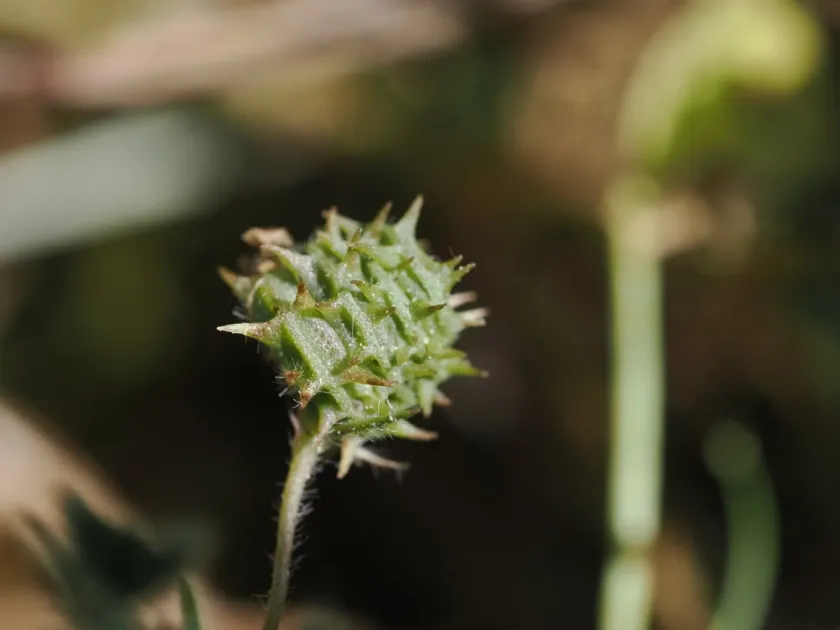
Description
Sowing dates
Sowing of Medicago truncatula should be performed during the cool season, typically in early autumn or spring, depending on the climatic zone and temperature patterns.
Given the hard seed coat characteristics, seed scarification is often necessary to break dormancy and ensure uniform and rapid germination rates in the field.
The sowing depth is crucial and should be shallow, typically within the range of 1 to 2 centimeters to maximize seedling emergence and vigor.
Uniform seed placement is best achieved using precision drills, which ensure adequate contact between the seeds and the soil for moisture absorption.
After sowing, light soil compaction is recommended to maintain capillary water movement and prevent the topsoil from drying out before seedlings are established.
Growing requirements
Barrel medic thrives in well-drained, slightly alkaline or neutral soils that are rich in mineral content, particularly calcium and phosphorus.
This species requires full sunlight to perform optimal photosynthesis, which drives its rapid vegetative growth and early reproductive development stages.
Effective nodulation with compatible Sinorhizobium strains is essential, as the plant relies heavily on atmospheric nitrogen fixation for its primary nitrogen source.
While adapted to Mediterranean-type climates, the plant prefers moderate moisture during the initial growth phases but is highly drought-tolerant thereafter.
Temperature fluctuations are significant for its growth cycle, with optimal performance observed under warm, sunny days and cool, clear nights.
Main diseases and pests
Root rot and crown diseases are significant threats that typically occur in poorly drained soils or during periods of excessive rainfall and high humidity.
Common insect pests include alfalfa weevils and various aphid species, which can severely impact foliage development and overall plant stand density.
Powdery mildew often appears during late stages of growth, especially when air circulation is limited and atmospheric humidity levels are consistently high.
Viral infections transmitted by sap-sucking insects can cause mosaic symptoms, stunted growth, and significant reductions in biomass production per hectare.
Integrated pest management strategies are essential to maintain field health, focusing on crop rotation, monitoring, and the use of resistant genetic lines.