
Wrinkled medic
Medicago rugosa Desr.
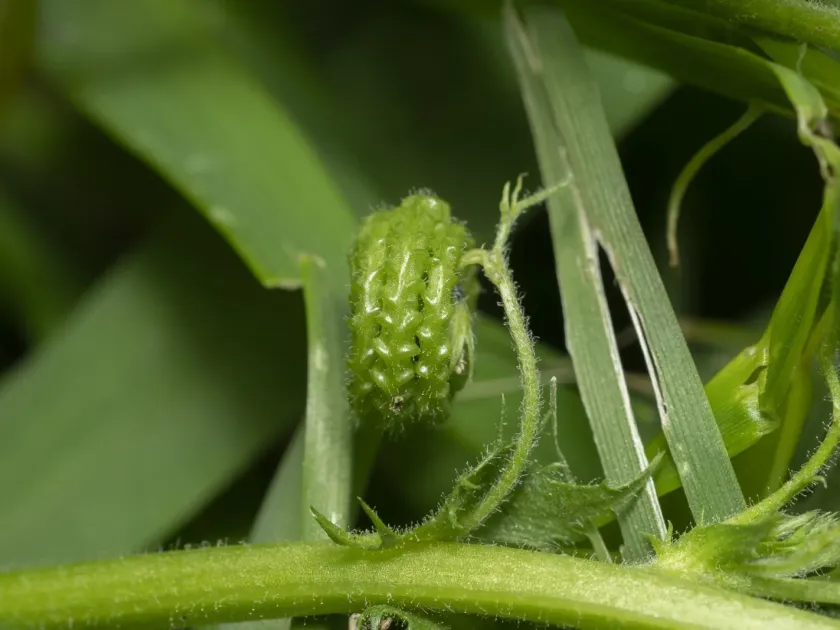
Description
Sowing dates
Wrinkled medic is an annual legume that performs best when sown in early spring, utilizing the moisture reserves from the winter season for optimal germination.
The sowing rate is typically adapted to the specific soil type and desired stand density, ensuring a balanced distribution of seeds across the field area.
Shallow planting at a depth of 1 to 2 centimeters is crucial to allow the small seeds to emerge rapidly without exhausting their nutritional reserves.
Preparation of a fine, firm seedbed is essential to ensure consistent seed-to-soil contact, which significantly improves the uniformity of the plant stand.
In some agricultural systems, wrinkled medic is sown in mixtures with cereal grasses to provide a more diverse and nutritionally balanced forage source for livestock.
Growing requirements
Medicago rugosa thrives in a Mediterranean climate characterized by mild, wet winters and warm, dry summers that favor the ripening of seeds.
The plant demonstrates high adaptability to alkaline soils, provided there is adequate drainage to prevent root issues caused by prolonged waterlogging.
It requires full sun exposure for photosynthesis, meaning that canopy management in mixed pastures is necessary to prevent overgrowth by competing species.
As a legume, it benefits from symbiotic nitrogen fixation, which requires the presence of appropriate rhizobia bacteria in the soil to function effectively.
Temperature fluctuations during the early growth stage can impact plant development, thus site selection should favor areas with stable spring conditions.
Main diseases and pests
Fungal diseases like anthracnose can pose a significant challenge during seasons with high humidity, often requiring strict field hygiene practices.
Insect pests, such as aphids and leaf-eating weevils, can cause substantial damage to young seedlings if not monitored and managed early in the season.
Root rots are frequently associated with poor soil structure or poor drainage, emphasizing the importance of choosing the right field for cultivation.
Integrated Pest Management (IPM) strategies are recommended to maintain ecological balance while protecting the crop from major yield-reducing factors.
Weed competition is most critical in the first few weeks after emergence, necessitating effective pre-sowing soil cultivation to reduce the weed seed bank.
Harvesting
Harvesting for forage should occur when the crop is in the early flowering stage to capture the highest nutritional value before the plant turns woody.
When grown for seed, harvesting is initiated once the pods have turned a characteristic brown color, indicating maturity and lower moisture content.
The use of specialized harvesting equipment allows for efficient collection of the seeds while minimizing shatter losses, which is common in Medicago species.
Drying the harvested biomass in windrows is a common practice to achieve the moisture levels required for stable storage and preservation of quality.
Effective post-harvest management includes thorough cleaning and grading of seeds to ensure high purity and viability for future planting seasons.