
Toothed bur clover
Medicago polymorpha L.
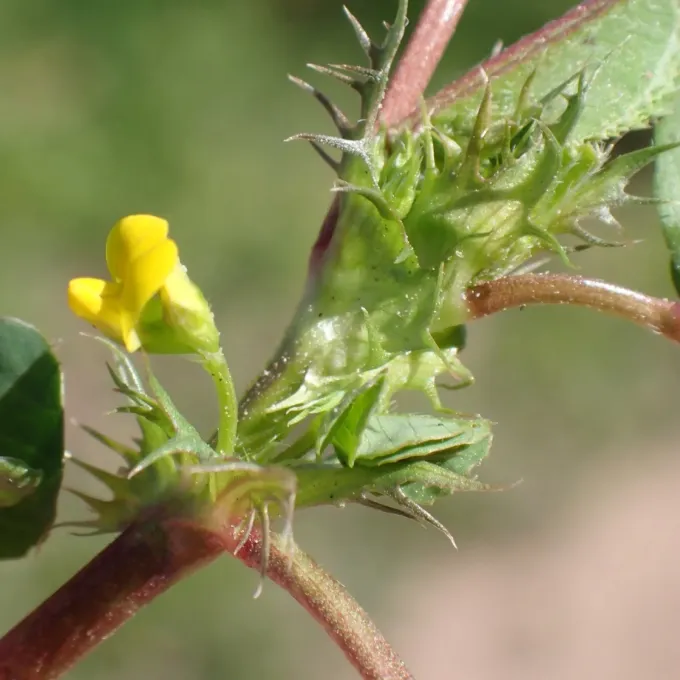
Description
Sowing dates
Toothed bur clover (Medicago polymorpha L.) is an annual legume species widely recognized for its agricultural value as a high-quality forage plant. Sowing is typically performed in late autumn or early spring, depending on the specific climatic zone and local environmental conditions.
For optimal establishment, seeds should be sown in a well-prepared seedbed that is free of competing weeds. A seeding rate of approximately 10 to 15 kilograms per hectare is standard, ensuring a dense stand that maximizes biomass production while minimizing space for weeds.
Soil contact is critical for germination, which is why farmers utilize seedbed rollers after drilling. The depth of sowing must be shallow, ideally between 1 to 2 centimeters, as the small seeds possess limited reserves and fail to emerge if buried too deeply in the soil.
Incorporating rhizobial inoculants before sowing is a highly recommended practice if the soil lacks the necessary symbiotic bacteria. This ensures effective nitrogen fixation, which significantly boosts the plant's overall development and nutritive value for grazing livestock.
Successful germination usually occurs within ten days under moist soil conditions and moderate temperatures. Proper field management during the early establishment phase prevents soil crusting and promotes a uniform stand across the entire planted area.
Growing requirements
Toothed bur clover thrives in full sun exposure and is highly sensitive to shading from taller plant species. It exhibits a remarkable level of drought tolerance once established, though it responds vigorously to irrigation or rainfall during the active growth phase.
Regarding soil preferences, it performs best in well-drained, fertile loamy or sandy loam soils with a near-neutral pH. It avoids waterlogged areas, as stagnant moisture can lead to root system decay and significantly reduced growth rates throughout the season.
The plant is adapted to Mediterranean-style climates, characterized by mild winters and warm springs, where it can complete its life cycle before the onset of extreme summer heat. It manages temperature fluctuations well, allowing for reliable performance in diverse regions.
Adequate levels of phosphorus and potassium are essential for the development of the root nodules and the overall biomass yield of the clover. Soil tests should guide fertilization strategies to maintain optimal nutrient status in the agricultural field.
As a legume, it plays a vital role in soil health improvement by increasing nitrogen levels through biological fixation. This makes it an excellent choice for rotation programs aimed at enhancing the productivity of depleted agricultural lands.
Yield
The yield of toothed bur clover is measured in terms of green biomass or dry hay output. Under optimal management, it can produce 15 to 25 tons of green forage per hectare, making it a productive component of any livestock feeding program.
The primary use of this crop is for livestock grazing, as it is highly palatable and rich in crude protein. Its nutritional composition makes it an ideal feed for sheep, cattle, and goats, supporting healthy growth and high productivity during the grazing season.
For mechanical harvesting, timing is essential; the crop should be mowed at the onset of flowering. Delaying the harvest leads to lignification of the stems, which decreases the digestibility of the hay and reduces its overall economic value to the farm.
The plant demonstrates excellent regrowth capabilities following grazing or cutting. By maintaining a sensible grazing rotation, producers can maximize the number of grazing cycles, thereby optimizing the utilization of the biomass throughout the growing season.
When used as a soil amendment, the residues from this crop leave the ground enriched with organic matter and nitrogen. This contributes to the success of subsequent crops in the rotation, providing an indirect economic benefit alongside its primary forage use.
Main diseases and pests
Insect pests, such as aphids and various species of weevils, can significantly damage foliage and newly emerged seedlings. Regular scouting of the field is necessary to identify infestations early and prevent them from causing economic losses to the pasture stand.
Fungal diseases, including powdery mildew and rust, represent a major challenge, particularly during periods of high humidity and warm temperatures. These infections can rapidly spread across the field, reducing both the biomass yield and the quality of the fodder.
Root rot, often caused by soil-borne pathogens in poorly drained soils, can cause patchy stands and stunted growth. Proper land preparation and careful irrigation management remain the best defenses against these persistent and damaging soil conditions.
Weed competition is a significant concern during the early establishment period. Without adequate weed control, the young clover plants may be outcompeted for sunlight and soil nutrients, leading to poor yield potential in the later stages of growth.
Integrated pest management strategies should be implemented to minimize chemical reliance. This includes maintaining healthy soil, selecting resilient seed sources, and practicing consistent crop rotation to break the life cycles of specific pests and diseases.
Harvesting
Harvesting toothed bur clover for hay requires a strategic approach to maintain quality. The mower must be set at an appropriate height to avoid damaging the crown, which ensures the plant retains the energy needed for subsequent regrowth after the cutting process.
After cutting, the biomass should be dried in windrows. Weather conditions during the drying phase must be monitored, as rain exposure can cause the leaching of valuable nutrients and lead to mold development, which compromises the safety of the feed.
For grazing management, the rotation must be strictly followed to ensure that the clover plants reach an adequate height before being grazed again. This prevents overgrazing, which can degrade the stand and reduce its long-term viability in the pasture system.
Ensuring the hay is adequately dried before baling is crucial to prevent heating and spontaneous combustion in storage. A moisture content level within the safe range ensures that the nutritional properties and the green color of the fodder are preserved.
Finally, storing the harvested forage in a dry, ventilated shed protects it from environmental degradation. Proper post-harvest handling is the final step in ensuring that the nutritional benefits of this crop are successfully transferred to the livestock during winter.